


Shumaila’s Insights
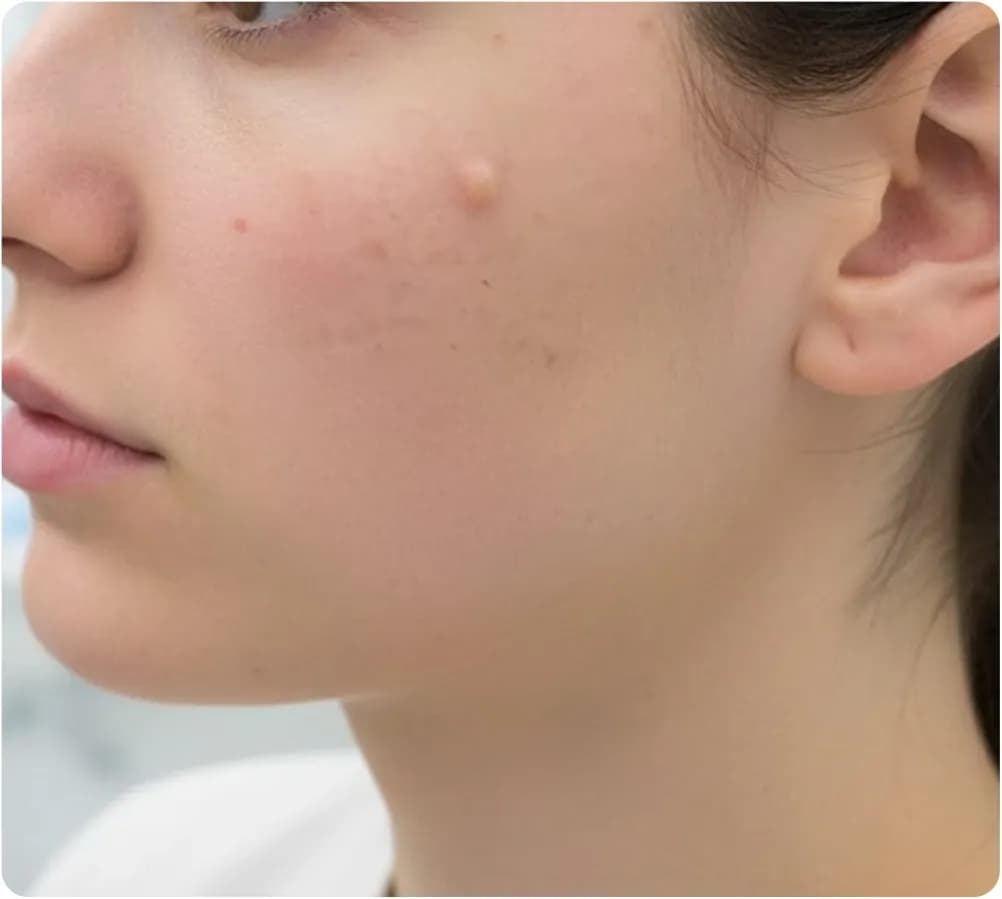
Facial Lumps, Bumps & Cysts Removal London
| Overview |
|---|
| Primary Concerns |
| Also Known As |
| Common Areas |
| Primary Causes |
| Primary Treatment |
| Time to See Results |
| Results Duration |
| Details |
|---|
| Epidermoid cysts, sebaceous cysts, lipomas, and other benign facial lumps |
| Facial Cysts, Skin Lumps, Subcutaneous Bumps |
| Cheeks, Forehead, Jawline, Neck, Scalp |
| Blocked glands, skin trauma, genetic factors |
| Surgical Cyst Removal (Excision) |
| Immediate removal of the lump |
| Permanent removal of the treated lesion |
Understanding Facial Lumps & Bumps
- Epidermoid Cysts: The most common type. These are slow-growing, self-contained sacs filled with keratin (a skin protein), often appearing as a firm, round bump under the skin.
- Sebaceous Cysts: Less common and arise from sebaceous (oil) glands. They are filled with a yellowish, oily material called sebum.
- Lipomas: Soft, fatty lumps that grow in the subcutaneous fat layer. They are typically soft and movable under the skin.
These lumps are generally harmless, but they can become inflamed, infected, or cosmetically bothersome, prompting individuals to seek removal.
How we at Shumaila’s can treat this
For benign facial lumps and cysts, the definitive treatment is surgical removal. This ensures the entire lesion, including its containing sac, is excised to prevent it from growing back.
Excellent 4.9 out of 5


Definitive Treatments
Surgical Solutions
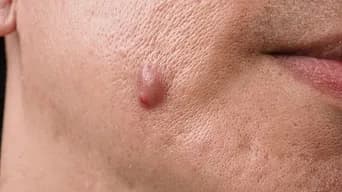
Surgical Cyst Removal (Excision)
Learn More about Surgical Cyst Removal (Excision)This is a minor surgical procedure performed by a specialist surgeon under local anaesthetic. The goal is to remove the cyst or lump completely while minimising scarring. The procedure involves making a small incision over the lump, carefully dissecting the entire cyst and its sac from the surrounding tissue, and then closing the incision with fine sutures.
Ideal for
Confirmed benign epidermoid cysts, sebaceous cysts, and other facial lumps that are cosmetically undesirable, painful, or recurrently inflamedResults
Permanent and immediate removal of the lump. The specimen is often sent for histology (laboratory analysis) for final confirmation of its benign natureManagement
This is a minor procedure with minimal downtime. You will have a small dressing over the area and stitches that are typically removed after 5-7 days. A small, fine-line scar will remain, which will fade over time
Why choose Shumaila’s for Facial Lump & Cyst Removal?
- Specialist Surgeons: Your procedure will be performed by an experienced surgeon with expertise in facial anatomy and plastic surgery techniques to ensure the best cosmetic result
- Diagnosis First: We prioritise your health. A mandatory consultation and diagnosis ensure that the lump is benign before any cosmetic removal is planned
- CQC-Registered Clinics: All procedures are performed in a safe, sterile, and regulated clinical environment
- Focus on Minimal Scarring: Our surgeons use meticulous techniques to place incisions within natural skin creases where possible and use fine sutures to minimise the final appearance of any scar
Frequent Asked Questions
You cannot know for sure without a professional diagnosis. Any new, growing, painful, or changing lump must be examined by a doctor. We will only proceed with removal after confirming the lump is benign.
Squeezing a cyst can rupture it under the skin, leading to severe inflammation, infection, and increased scarring. Crucially, it does not remove the cyst sac, meaning the cyst will almost certainly grow back.
No. The procedure is performed under local anaesthetic, which completely numbs the area. You will not feel any pain during the removal, only a slight sensation of movement.
Yes, any procedure that involves an incision will leave a scar. However, our surgeons are skilled in techniques that minimise scarring, resulting in a fine line that is often barely visible once fully healed.
Recovery is very quick. You can typically resume most normal activities the same day. You will need to keep the small dressing dry and clean, and return for suture removal in about a week. Strenuous exercise should be avoided for 1-2 weeks.
Request a Consultation
One of our friendly consultants will contact you to answer your questions, and to book a consultation for your chosen treatment.