

Hair loss is a common concern that affects both men and women at different stages of life. While it is often associated with ageing, hair thinning and shedding can begin much earlier and may be influenced by genetics, hormones, stress, medical conditions, or lifestyle factors.
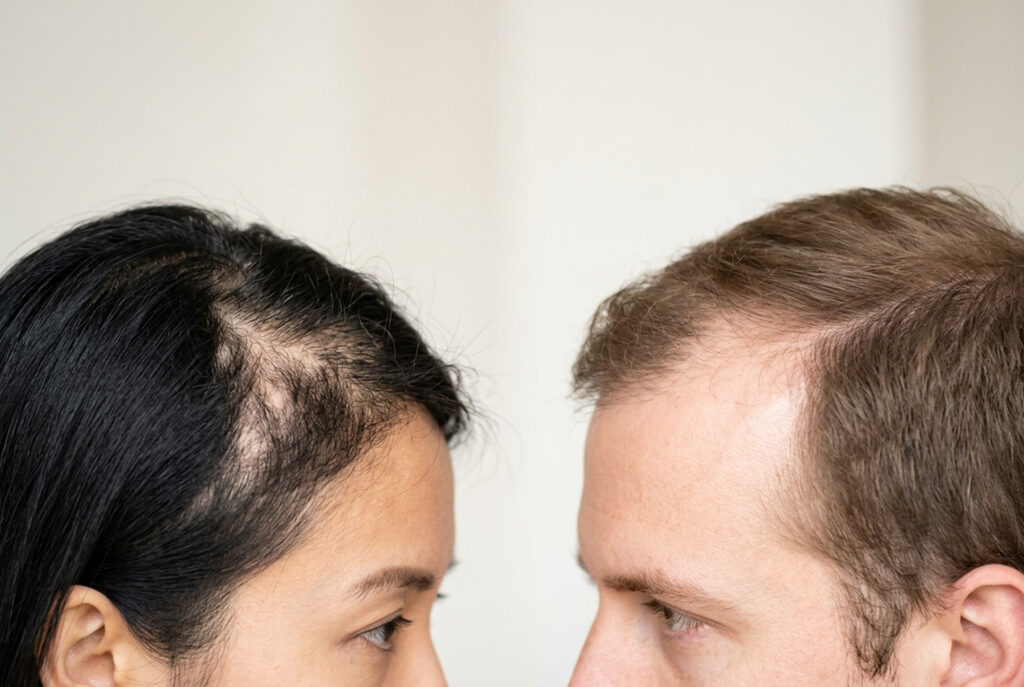
Although male and female hair loss can appear similar on the surface, the underlying causes often differ. Men typically experience a receding hairline or thinning at the crown, while women are more likely to notice diffuse thinning across the scalp or widening of the parting. Because the causes are not always the same, the most effective treatment approach can also vary.
There is no single hair loss treatment that works for everyone. Some individuals benefit from non surgical options that stimulate existing follicles, while others may be suitable for surgical solutions such as hair transplantation. In many cases, early intervention improves outcomes by protecting active follicles before significant miniaturisation occurs.
Understanding the reason for hair loss is the most important first step. Treating thinning hair without identifying whether it is genetic, hormonal, stress related, or medically linked can lead to ineffective results and unnecessary expense.
This guide explains the main causes of hair loss in men and women, the differences between non surgical and surgical treatment options, and realistic timelines for seeing results. The aim is to provide clear, evidence based information so you can make informed decisions about hair growth treatment and long term hair health.
What Causes Hair Loss in Men
Hair loss in men is most commonly linked to genetics and hormones, but it is not the only cause. Understanding the underlying reason for thinning is essential before choosing a hair loss treatment.
Male pattern hair loss, also known as androgenetic alopecia, is driven by a genetic sensitivity to dihydrotestosterone. This hormone gradually causes hair follicles to shrink in a process known as miniaturisation. Over time, affected hairs become finer, shorter, and lighter until they stop growing altogether. This typically results in a receding hairline and thinning at the crown.
Male pattern hair loss is progressive and tends to worsen without treatment. Early intervention can help slow this process and preserve existing hair.
Other causes include stress related telogen effluvium, nutritional deficiencies such as low iron or vitamin D, thyroid disorders, autoimmune conditions, and scalp inflammation. Sudden or severe shedding should always be assessed professionally.
What Causes Hair Loss in Women
Hair loss in women is often more complex. Female pattern hair loss usually presents as diffuse thinning across the top of the scalp rather than a receding hairline. Widening of the parting and reduced volume are common early signs.
Hormonal changes are significant contributors. Post pregnancy shedding, menopause related hormonal shifts, and conditions affecting oestrogen balance can all influence hair density. Iron deficiency and thyroid disorders are also frequent causes.
Stress related shedding may occur after illness, surgery, emotional stress, or rapid weight loss. Traction hair loss from tight hairstyles can cause permanent damage if not addressed early.
Because female hair loss may have multiple contributing factors, careful assessment is important before selecting a treatment approach.
Non Surgical Hair Loss Treatments
Non surgical treatments aim to stimulate active follicles and slow further miniaturisation.
Topical hair growth treatments help extend the growth phase of the hair cycle and improve circulation to follicles. Consistency is essential to maintain results.
Certain oral medications influence hormonal pathways linked to male pattern hair loss and may be prescribed where appropriate.
Platelet rich plasma treatment involves concentrating growth factors from a blood sample and injecting them into thinning areas. A course of sessions is usually required followed by maintenance.
Scalp microneedling stimulates natural repair processes and can enhance the effectiveness of topical treatments.
Lifestyle support, including optimising iron levels, vitamin status, and stress management, plays an important role in overall hair health.
Non surgical options are most effective when follicles are still active. Where follicles are no longer viable, surgical treatment may be considered.
Surgical Hair Loss Treatment Options
Hair transplant surgery involves relocating healthy follicles from stable donor areas to thinning or bald areas. Follicular unit extraction removes individual follicles, while follicular unit transplantation involves removing a strip of scalp and dividing it into grafts.
Surgery is most suitable for individuals with stable pattern hair loss and adequate donor density. Results develop gradually, with visible improvement typically beginning after three to six months and fuller density appearing between nine and twelve months.
Surgery is not appropriate for everyone. Active diffuse shedding, untreated medical causes, or unrealistic expectations should be addressed before considering transplantation.
Expected Timelines for Hair Growth Treatment
Hair growth treatment requires patience. Early in treatment, temporary increased shedding may occur as weaker hairs are replaced.
Visible improvement from non surgical treatments usually begins after three to four months, with more noticeable changes appearing between six and nine months.
Genetic hair loss requires ongoing management. Stopping treatment may allow thinning to continue. Surgical results are permanent in transplanted areas, but surrounding hair may still require support.
If no improvement is seen after six months of consistent treatment, reassessment may be necessary.
Hair Loss Treatment for Men vs Women
Treatment approaches differ due to hormonal influences and thinning patterns. Male treatment often focuses on slowing DHT related miniaturisation and protecting hairline and crown density. Female treatment frequently involves addressing hormonal or nutritional contributors alongside supporting diffuse thinning.
Some medications suitable for men are not appropriate for women, particularly during pregnancy. Personalised planning ensures safe and effective outcomes.
One size fits all plans rarely deliver optimal results. Individual assessment provides the most reliable strategy for both male and female hair loss treatment.
Frequently Asked Questions About Hair Loss Treatment
What is the most effective hair loss treatment for men
The most effective treatment for male pattern hair loss is often a combination approach. This may include topical treatment, oral medication to reduce DHT sensitivity, and supportive therapies such as PRP.
What is the best hair loss treatment for women
The best treatment depends on the cause. Hormonal thinning, iron deficiency, stress related shedding, and genetic factors require different strategies. Medical assessment is important before beginning treatment.
Can hair grow back after thinning
Hair can regrow if follicles are still active. Early intervention increases the chance of improvement. Long standing bald areas typically require surgical restoration.
How long does hair growth treatment take to work
Most non surgical treatments take three to four months before visible improvement begins. More significant changes often appear between six and nine months.
Is hair loss treatment permanent
Non surgical treatment usually requires ongoing maintenance. Hair transplant surgery provides permanent results in transplanted areas.
Does stress cause permanent hair loss
Stress usually causes temporary shedding rather than permanent loss, although prolonged stress may contribute to continued thinning.
Is PRP effective for hair loss
PRP can stimulate weakened follicles in early to moderate thinning and is often combined with other treatments.
Are hair loss treatments safe
Most clinically approved treatments are safe when prescribed or performed by qualified professionals following assessment.
When should I seek treatment for hair loss
If thinning is progressive, persistent, or sudden, professional assessment is recommended. Early treatment generally improves outcomes.
Next Steps
The first step in choosing the right hair loss treatment is identifying the underlying cause. A detailed consultation allows scalp health, thinning pattern, medical history, and lifestyle factors to be reviewed. This personalised assessment helps determine whether non surgical options such as low-level laser therapy, PRP, exosome therapy, microneedling or topical solutions are right for you, or whether a surgical approach might be more appropriate based on your pattern of loss and donor hair quality.
At Shumaila’s clinics, hair loss treatments are tailored to individual needs and goals. Non invasive options such as low-level laser therapy work by stimulating follicles and improving scalp health, helping to reduce shedding and encourage thicker, healthier hair growth. PRP and other advanced therapies use growth factors or nutrient-rich approaches to support follicle activity and can be combined with complementary treatments for enhanced results.
Understanding the realistic number of sessions required and the likely timeline for results allows you to set clear expectations. Many clients begin to notice changes within a few months of consistent treatment, with ongoing improvement over time.
Whether considering non surgical hair growth treatment or exploring surgical options, a personalised plan offers the most sustainable and effective results. Booking a consultation at Shumaila’s ensures your treatment approach is designed around your hair type, pattern of loss, and long term goals for healthier, fuller hair.