

Introduction
Choosing an aesthetic clinic can feel overwhelming because the market is busy, the language is technical, and outcomes can vary widely. Treatments such as laser hair removal, pigmentation correction, acne management, and body contouring can be safe and effective, but only when the clinic is properly set up and the practitioner is suitably trained to assess your skin, your medical history, and the risks that apply to you. The key is to approach the decision like a healthcare choice rather than a beauty purchase.
A good clinic will do more than offer a menu of popular treatments. It will screen for contraindications, explain realistic outcomes, tailor settings to your skin type, and plan for what happens if your skin reacts unexpectedly. It will also be transparent about who is treating you, what device is being used, and what evidence supports the treatment choice.
This guide focuses on how to choose a medical-led aesthetic clinic, with an emphasis on regulation, practitioner competence, consultation standards, safety, and aftercare. You will learn what questions to ask, what documents and policies should exist behind the scenes, and what red flags suggest you should keep looking. The goal is not to make you anxious, but to help you make an informed, confident decision that protects your health as well as your results.
Understand UK regulation and what “medical-led” means
Aesthetic treatments in the UK sit in a space between healthcare and consumer services. Some procedures are strictly medical, while others are available in non-medical settings. That is why “medical-led” matters. In practice, a medical-led clinic should have a clinician with appropriate medical qualifications providing oversight, establishing protocols, and ensuring that assessment, prescribing (where relevant), and complication management are handled safely. It also implies a clinical mindset: risk assessment first, treatment second.
Start by understanding the difference between regulation of professionals and regulation of premises. In the UK, professional titles such as doctor, dentist, and nurse are regulated by their respective bodies, and those regulators set standards for conduct, competence, and fitness to practise. When a clinic describes itself as medical-led, you should be able to identify who the medical lead is and what their role involves in day-to-day governance. This matters most for treatments with higher risk profiles, for example certain laser procedures on darker skin tones, aggressive acne protocols, or combination treatment plans that can irritate the skin barrier.
Be cautious with vague claims. “Doctor approved” or “clinically proven” can be marketing language unless backed by clear accountability and evidence. A medical-led service should be willing to explain the pathway for complications and escalation. If you experience blistering after laser, prolonged swelling, pigment changes, or scarring risk, who assesses you, how quickly, and what is the plan?
Also consider boundaries around prescribing. Some aesthetic treatments involve prescription-only medicines. In a medical-led environment, there should be a clear, compliant pathway for assessment and prescribing decisions, including documentation of indications and contraindications.
Finally, remember that regulation does not automatically guarantee quality, but it does give you a framework. Your job as a patient is to check that the clinic operates like a clinical service: clear governance, documented policies, and transparent roles. If you cannot tell who is clinically responsible for your care, that is a strong signal to look elsewhere.
Check practitioner qualifications, training, and clinical governance
Outcomes in aesthetics are strongly operator-dependent. Two clinics may own the same laser platform, but results and complication rates can differ because of how settings are chosen, how skin is assessed, and how aftercare is managed. That is why you should evaluate the practitioner, not just the brand, location, or price.
Ask who will perform your treatment and what their core qualification is. Then ask about specific training for the procedure you want, such as laser hair removal, treatment of pigmentation, acne protocols, or body contouring. Training should cover theory and hands-on supervised practice, with an understanding of skin types, contraindications, and how to respond to adverse events. If the answer is vague, or you are told “everyone here is trained” without detail, you have not really been given reassurance.
Clinical governance is what turns individual skill into consistent, safe care. In a well-run clinic, governance should include written protocols for consultation, patch testing where appropriate, device settings guidance, infection control, incident reporting, and escalation pathways. It should also include auditing, for example tracking outcomes and complications to improve practice over time. You do not need to see every internal document, but you should feel that the clinic has a structured approach and can explain it clearly.
Insurance is also part of governance. Confirm that the practitioner has appropriate professional indemnity for the treatment being performed and that the clinic has relevant insurance. This is not about planning for failure, it is a marker of professionalism and preparedness.
Supervision and accountability matter, especially in multi-site clinics. If a junior practitioner is carrying out treatments, ask what supervision exists and how clinical decisions are checked. A robust clinic will not be defensive about these questions.
Pay attention to how your questions are handled. A practitioner who welcomes scrutiny, explains limits, and sets expectations is usually safer than one who promises dramatic results or dismisses risks. In aesthetics, confidence should be paired with caution. Your goal is to find a clinic that is proud of training standards, clear about who does what, and organised enough to deliver consistent care across appointments.
Assess consultation quality, treatment suitability, and informed consent
The consultation is where you can tell whether a clinic is acting like a clinical service or a sales environment. A high-quality consultation should feel thorough, personalised, and evidence-based. You should leave with a plan that makes sense for your skin and goals, and with a clear understanding of benefits, limitations, and risks.
A proper assessment usually includes a detailed medical history, current medications and supplements, allergies, previous reactions, skin sensitivity, history of hyperpigmentation, and relevant health conditions. For laser treatments, the consultation should include discussion of your skin type, sun exposure habits, recent tanning, and any skincare ingredients that could increase sensitivity. For acne treatment, you should expect questions about duration, triggers, previous therapies, scarring tendency, and whether a medical referral is needed. For pigmentation, the key is correct identification of the type of pigmentation and what can realistically be improved. Not all pigmentation responds well to laser, and some types can worsen if treated incorrectly.
Treatment suitability includes considering timing and lifestyle. If you cannot reliably avoid sun exposure, some procedures may be better postponed. If you have an important event, you should discuss downtime and the possibility of redness, swelling, or peeling. If you have a history of cold sores, some treatments may require preventative steps. These are the details that separate safe planning from generic service.
Informed consent is not a form you sign quickly at reception. It is a process where you are told what will happen, what can go wrong, how likely risks are, what the alternatives are, and what happens if you choose not to treat. Consent should cover common side effects such as redness, tenderness, temporary darkening of pigment, and rare but significant risks such as burns, scarring, and long-term pigment change. You should also be told what results typically look like and how many sessions may be required. If guarantees are made, or risks are minimised, treat that as a red flag.
A good clinic will encourage a cooling-off period for higher-impact treatments, and it will never pressure you into same-day decisions. You should feel that your practitioner is on your side, helping you choose the right option, including advising against treatment if it is not suitable right now.
Review safety standards, hygiene, technology, and aftercare policies
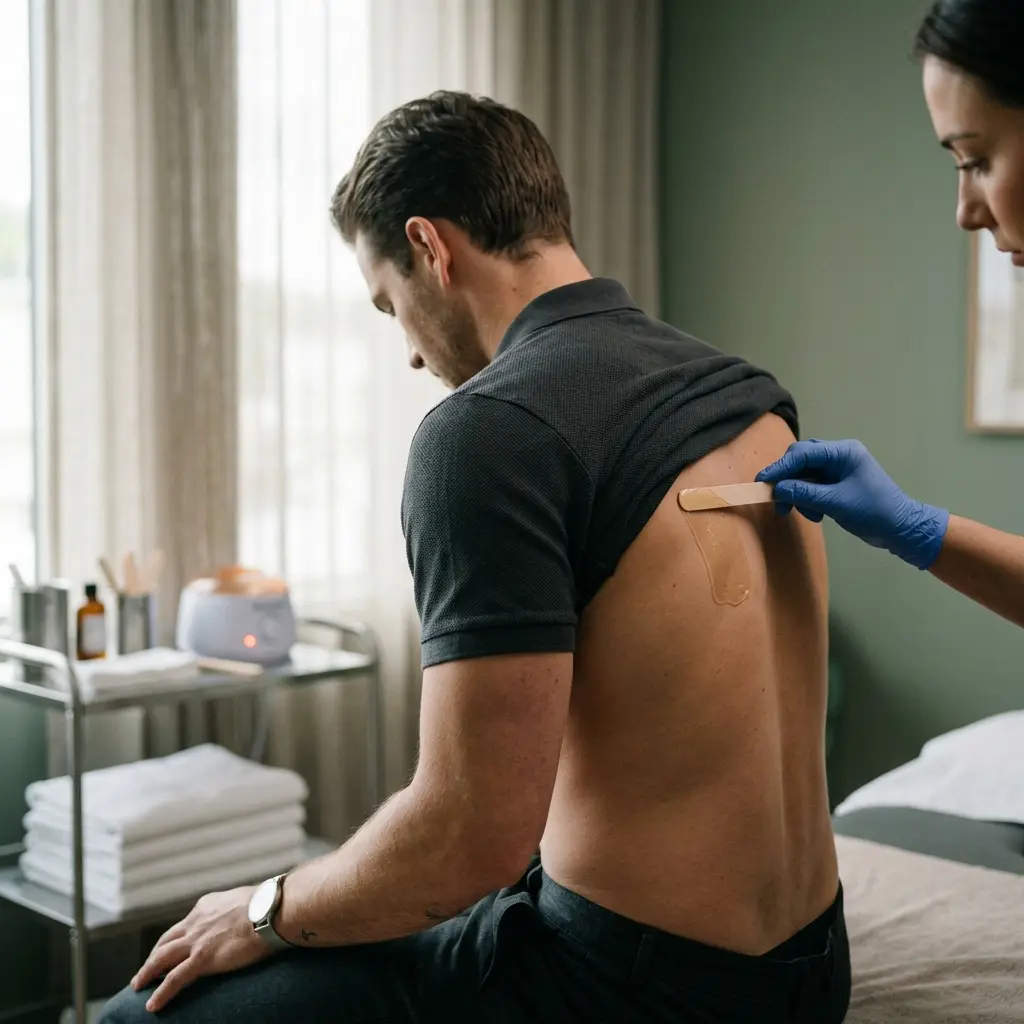
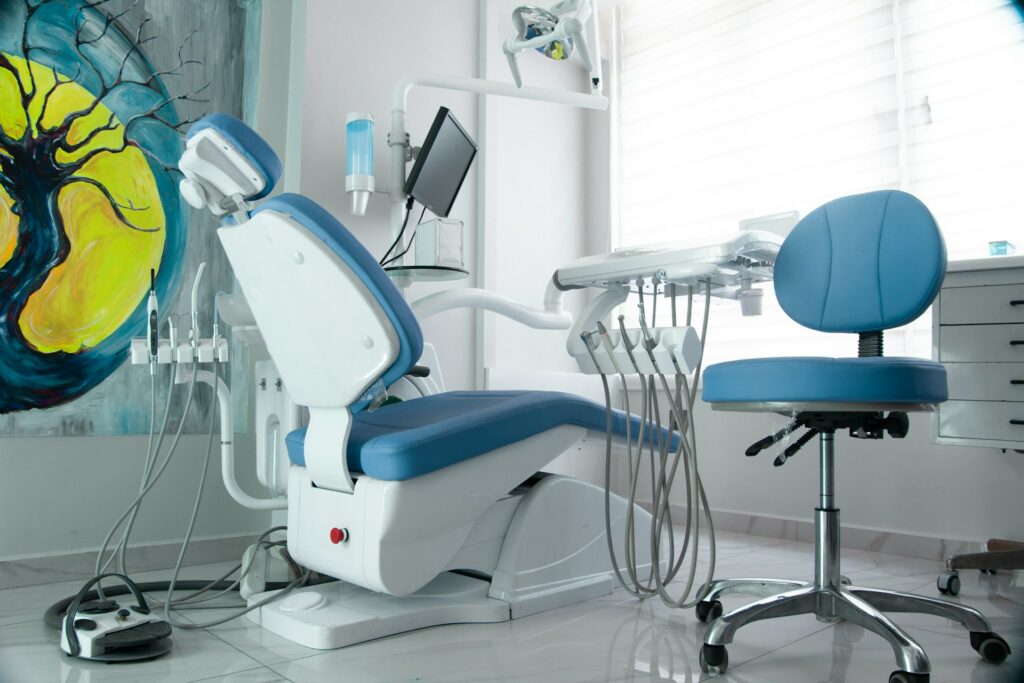
Safety is more than cleanliness. It includes infection control, device maintenance, patch testing protocols, emergency readiness, and structured aftercare. When you visit a clinic, observe how the environment is run. Treatment rooms should be tidy, surfaces should be disinfected between clients, and single-use items should be clearly disposed of. Staff should wash hands, use gloves appropriately, and explain what they are doing.
Technology matters, but not in the way many people assume. The “best” device is not automatically the newest or most expensive, it is the one that is suitable for your skin type, your condition, and your risk profile, in the hands of a trained operator. For laser hair removal, you should be told what laser type is used and why it suits your skin and hair characteristics. For pigmentation and acne-related scarring, the clinic should explain how the chosen energy-based device or protocol targets the issue and what the realistic endpoint is. For body contouring and sculpting, you should understand whether the method is fat reduction, muscle stimulation, lymphatic support, or skin tightening, because each has different expectations and contraindications.
Ask about patch testing where appropriate, particularly if you have a history of sensitivity or if the treatment carries a burn or pigment risk. A cautious approach is usually a good sign. Also ask how the clinic calibrates and services devices. Regular servicing and documented maintenance reduce risk and improve consistency.
Aftercare is where many problems are prevented or caught early. A good clinic will give written aftercare instructions, including what to avoid, what to apply, and what is normal versus concerning. You should be told how to reach the clinic if you have unexpected symptoms and how quickly you can be reviewed. This is especially important after laser procedures, chemical-based protocols, or combination treatments that can disrupt the skin barrier.
Finally, check that the clinic’s policies align with safe practice. These include policies for treating minors, managing complaints, handling adverse events, and protecting your privacy. You should feel confident that if something does not go to plan, the clinic has a clear process, not just reassurance. Consistent safety standards are often invisible when everything goes well, but they are exactly what protects you when your skin reacts unpredictably.
FAQs
How do I know if an aesthetic clinic is genuinely medical-led?
Look for clarity on who the medical lead is, what their qualifications are, and what oversight they provide. A genuinely medical-led clinic should be able to tell you which clinician is responsible for clinical protocols, complication management, and staff training standards. Ask whether the medical lead is involved in treatment planning for higher-risk cases, and what happens if you experience an adverse reaction. You are not looking for a logo or a slogan, you are looking for accountability. You should also expect a medical-led clinic to take a medical history, check contraindications, and document consent properly. If the clinic cannot clearly explain governance, or if you are rushed into a treatment without clinical screening, it may not be operating in a medically robust way.
What questions should I ask at a consultation for laser hair removal?
Ask what laser technology will be used and why it is suitable for your skin type and hair colour. Discuss how settings are selected, whether patch testing is recommended, and what precautions you need regarding sun exposure, tanning, and certain skincare products. Ask how many sessions are typically needed for your area and hair density, and what “reduction” means in realistic terms. You should also ask about side effects such as redness, swelling around follicles, blistering risk, and pigment changes, plus what the clinic does if those occur. Finally, ask what aftercare you will receive in writing, and how you can contact the clinic promptly if you have concerns after your appointment.
How can I assess whether a clinic is safe and hygienic?
Start with what you can observe: clean treatment rooms, disinfected surfaces, appropriate hand hygiene, and single-use consumables where relevant. Then ask about processes: how devices are cleaned between clients, how often equipment is serviced, and what protocols exist for patch testing and adverse reactions. A safe clinic should be comfortable discussing infection control and should provide clear aftercare guidance. Check whether they keep clinical notes of your settings and outcomes so treatments can be consistent and adjusted safely over time. Hygiene is not only about looking clean, it is about repeatable standards and documentation. If the clinic seems disorganised, cannot explain its safety processes, or dismisses your questions, that is a meaningful warning sign.
What are common red flags that suggest I should choose another clinic?
High-pressure sales tactics are a major red flag, especially being pushed into same-day treatment without adequate assessment. Be wary of guaranteed results, dramatically discounted packages without a proper consultation, or vague answers about who will perform the procedure. Another red flag is an incomplete medical history, particularly for laser and pigmentation treatments where medications, sun exposure, and past pigment issues matter. Poor consent practices also matter, such as being asked to sign forms without discussion of risks, downtime, and alternatives. Finally, lack of a clear aftercare and complication pathway is a serious concern. If you cannot get a straight answer about who to contact, how soon you can be reviewed, and what the clinic will do if you develop a burn, infection, or pigment change, it is safer to look elsewhere.
Can pigmentation or acne be treated safely in a clinic setting, and how do I judge suitability?
They can be treated safely, but correct diagnosis and careful planning are essential. Pigmentation is a broad term, and different types respond differently. A good clinic will assess whether your pigmentation is likely sun-related, post-inflammatory, or linked to deeper skin processes, and it will explain which treatments are appropriate and which could worsen it. For acne, suitability depends on severity, scarring risk, and whether medical management is needed alongside skin procedures. You should expect questions about your routine, triggers, medications, and prior treatments. A careful clinic will discuss stepwise plans, possible irritation, and timelines, not just quick fixes. If you are offered an aggressive protocol without a skin assessment and patch test consideration, or if medical causes are ignored, pause and seek a more clinically grounded opinion.
Conclusion
Choosing the best aesthetic clinic x is less about finding the trendiest treatment and more about finding a service that behaves like a healthcare environment. Start by understanding what “medical-led” should mean in practice: clear accountability, clinical oversight, and robust protocols. Then look closely at practitioner competence and training, because the operator is often the biggest factor in both results and safety. A high-quality consultation should include medical screening, realistic goal-setting, and informed consent that covers risks and alternatives, not just benefits. Finally, evaluate safety standards you can see and those you cannot: hygiene, device servicing, patch testing where appropriate, written aftercare, and a clear pathway if your skin reacts unexpectedly.
When you take this approach, you protect more than your aesthetic outcome. You protect your skin health, your confidence, and your time and money. If you are researching reputable options for aesthetic and laser treatments in London and Essex and want to learn more about clinical-led services and appointment pathways, look no further than Shumaila’s.