

TL;DR: Eyebrow thinning happens primarily due to over-plucking damage, hormonal changes (especially during menopause), or thyroid issues. If follicles aren’t scarred, eyebrows can regrow in 3-4 months with proper care. Professional treatments like eyebrow transplants offer solutions when follicular damage is permanent. Early intervention and proper diagnosis are essential.
Core Facts:
- Over-plucking causes permanent follicular damage after repeated trauma
- Hormonal changes during menopause reduce oestrogen and prostaglandin, weakening hair growth
- Hair loss from the outer third of eyebrows signals potential thyroid problems
- 52% of women with eyebrow loss report anxiety about others’ perceptions
- Recovery takes 3-4 months if follicles remain undamaged
You’ve noticed it for a while now.
Your eyebrows aren’t quite what they used to be. The tail end looks sparse. Your morning makeup routine takes longer because you’re filling in gaps that weren’t there a few years ago.
And you’re wondering if this is just part of getting older, or if there’s something you can do about it.
Here’s what’s happening, why it matters more than you think, and what actually works to address it.
What Causes Eyebrow Thinning?
Over-Plucking and Repeated Trauma
Over-plucking is the biggest reason eyebrows thin permanently.
Remember the pencil-thin brow trend from the 90s and early 2000s? Every time you plucked a hair, you risked permanent follicular damage. The damage is cumulative, therefore after years of repeated trauma, some follicles simply stop producing hair.
Hormonal Changes During Menopause
Hormonal changes play a massive role, especially for women over 40. During perimenopause and menopause, oestrogen levels drop significantly. Because oestrogen helps hair grow and reduces shedding, these lower levels mean your follicles produce thinner, weaker hairs. After menopause, your body also produces less prostaglandin—the hormone that directly stimulates eyebrow growth.
Around 2.3 million women in the UK are prescribed HRT each year. That tells you how common this issue is.
Bottom Line: Over-plucking causes cumulative follicular damage, whilst hormonal shifts during menopause reduce oestrogen and prostaglandin—both essential for hair growth.
When Is Eyebrow Thinning a Medical Warning Sign?
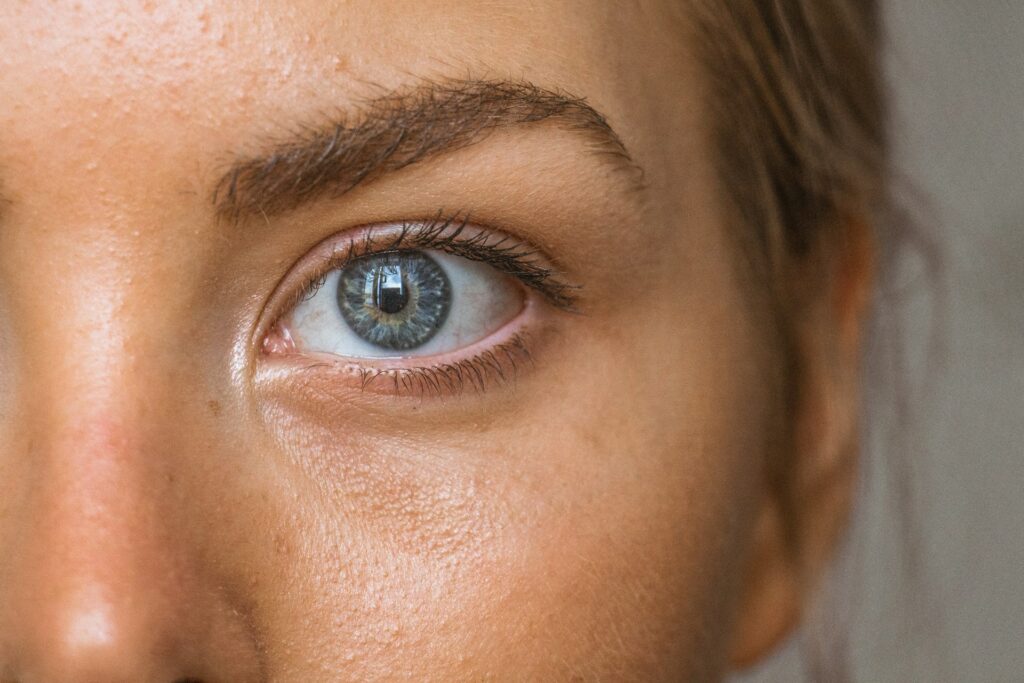
Pay attention if you’re losing hair specifically from the outer third of your eyebrows.
This pattern is medically significant because it’s frequently caused by thyroid problems—both hypothyroidism and hyperthyroidism can trigger eyebrow loss in this specific area.
If you notice this happening, see your GP and have your thyroid function checked. If it’s thyroid-related, medication can rebalance your hormone levels, therefore allowing your eyebrows to recover.
Thyroid disease is one of the most common causes of eyebrow hair loss, and catching it early makes a real difference.
Key Warning: Hair loss specifically from the outer third of your eyebrows indicates potential thyroid dysfunction and requires medical evaluation.
Why Does Eyebrow Loss Matter?
Eyebrows frame your face. They communicate emotion, youth, and confidence.
When they thin, people perceive you differently. Research shows that thinning eyebrows make you appear less confident or older than your actual age.
The emotional impact is real too. In one study, 52% of women who experienced eyebrow loss reported fearing what others thought of them. Another 25% developed new anxiety because of their eyebrow and eyelash alopecia.
This isn’t vanity. Your eyebrows serve important cosmetic and social roles, which is why their loss can be genuinely distressing.
The Reality: Eyebrow loss affects confidence and social perception because eyebrows communicate emotion and vitality—making this a legitimate concern, not vanity.
What Treatments Actually Work for Thinning Eyebrows?
Natural Recovery vs Permanent Damage
If your eyebrows are over-groomed but the follicles aren’t scarred, you can see regrowth. Allow them to grow naturally for three to four months—that’s the average timeline for eyebrow recovery.
Here’s the catch: if the follicles are scarred from repeated trauma, the hair won’t grow back on its own. This is why early intervention matters.
Professional Treatment Options
Eyebrow hair transplant is now the second most common type of hair transplant after scalp procedures. In the UK, 12% of female hair transplant patients and 3% of male patients opt for eyebrow restoration.
Women are also moving away from permanent solutions like microblading. There’s a clear shift towards treatments that help you naturally regrow fuller, healthier brows rather than masking the problem.
Treatment Truth: Undamaged follicles can recover in 3-4 months with rest, but scarred follicles require professional intervention like eyebrow hair transplants to restore growth.
Where to Get Expert Eyebrow Treatment in London
London has become a hub for eyebrow expertise. Multiple award-winning specialists offer bespoke treatments throughout the city, combining medical understanding with aesthetic precision.
At Shumaila’s, we understand that eyebrow thinning isn’t just a cosmetic concern—it’s often a sign of something deeper. Whether it’s hormonal changes, over-plucking damage, or an underlying health condition, we take the time to understand what’s causing your specific situation.
Our approach combines expert assessment with treatments designed to restore natural growth where possible, and provide realistic solutions when follicle damage is permanent.
What Should You Do About Thinning Eyebrows?
First, stop plucking or waxing your eyebrows for at least three months. Give your follicles a chance to recover.
Second, if you’re losing hair from the outer third of your brows, book an appointment with your GP to rule out thyroid issues.
Third, if you’ve been dealing with progressive thinning despite stopping over-plucking, consult a specialist. The sooner you address follicle damage, the more treatment options you have.
Your eyebrows won’t fix themselves. But with the right understanding and approach, you have more control over this than you might think.
Ready to understand what’s causing your eyebrow thinning? Book a consultation at Shumaila’s and we’ll create a treatment plan based on your specific situation—not generic solutions.
Frequently Asked Questions About Eyebrow Thinning
How long does it take for eyebrows to grow back after over-plucking?
If the follicles aren’t permanently damaged, eyebrows typically regrow within 3-4 months. However, if you’ve caused scarring through years of repeated plucking, some follicles may never produce hair again. Stop all plucking immediately and wait at least three months to assess natural recovery.
Can menopause cause eyebrow thinning?
Yes. During menopause, oestrogen levels drop significantly. Because oestrogen supports hair growth and reduces shedding, lower levels result in thinner, weaker eyebrow hairs. Your body also produces less prostaglandin after menopause—a hormone that stimulates eyebrow follicles.
What does it mean if only the ends of my eyebrows are thinning?
Hair loss specifically from the outer third of your eyebrows is a medically significant pattern. It frequently indicates thyroid problems (both hypothyroidism and hyperthyroidism). See your GP for thyroid function tests—if caught early, medication can rebalance hormone levels and allow eyebrow recovery.
Are eyebrow transplants permanent?
Yes. Eyebrow hair transplants use follicles from your scalp, which are genetically programmed to grow continuously. This means transplanted eyebrow hairs will grow longer than natural eyebrow hairs and require regular trimming. The procedure is now the second most common type of hair transplant after scalp procedures.
Is microblading a good solution for thin eyebrows?
Microblading is a cosmetic solution that masks the problem rather than addressing it. Women are increasingly moving away from permanent makeup solutions and towards treatments that promote natural regrowth. Therefore, treatments that restore follicular function are generally preferred over purely cosmetic approaches.
Will eyebrow serums help with thinning?
Serums can support healthier growth if follicles are still functional. However, they cannot regenerate scarred or dead follicles. If your eyebrows haven’t responded to over-the-counter serums after 3-4 months, professional assessment is recommended because permanent follicular damage may require different intervention.
Can thyroid medication help my eyebrows grow back?
Yes, if thyroid dysfunction is the cause. Once thyroid hormone levels are rebalanced through medication, eyebrow growth can resume. This is why early diagnosis matters—the sooner thyroid issues are treated, the better your chances of natural eyebrow recovery.
At what age do eyebrows typically start thinning?
Hormonal eyebrow thinning typically becomes noticeable for women over 40, particularly during perimenopause and menopause. However, over-plucking damage can cause thinning at any age. The damage is cumulative, so years of repeated trauma eventually stops follicles from producing hair.
Key Takeaways
- Three primary causes: Over-plucking causes permanent follicular damage, hormonal changes during menopause reduce growth hormones, and thyroid dysfunction triggers specific hair loss patterns.
- Warning sign to watch: Hair loss from the outer third of eyebrows indicates potential thyroid problems—see your GP immediately for proper diagnosis.
- Recovery timeline: Undamaged follicles can regrow hair in 3-4 months with rest, but scarred follicles require professional treatment.
- Emotional impact is real: 52% of women with eyebrow loss fear others’ judgements, and 25% develop new anxiety—this concern is legitimate, not superficial.
- Treatment options exist: From allowing natural recovery to professional hair transplants, multiple solutions address eyebrow thinning based on the underlying cause.
- Early intervention matters: The sooner you address follicle damage or underlying health conditions, the more treatment options remain available.
- Professional assessment is essential: Proper diagnosis determines whether your eyebrow thinning stems from cosmetic damage, hormonal changes, or medical conditions requiring different approaches.