


Look. Feel. Live. Better
Shumaila’s Insights
Hyperpigmentation & Dark Spots
Find the most effective hyperpigmentation treatment for your skin. Explore the causes of dark spots on the face and learn about advanced solutions, from chemical peels to laser therapy, for a clearer, more radiant complexion.
| Overview |
|---|
| Primary Concern |
| Also Known As |
| Common Causes |
| Affects |
| Primary Treatment Options |
| Time to See Results |
| Results Duration |
| Treatment Areas |
| Details |
|---|
| Hyperpigmentation, Dark Spots, Uneven Skin Tone |
| Sun Spots, Age Spots, Melasma, Post-Inflammatory Hyperpigmentation (PIH) |
| Sun Exposure, Hormonal Changes, Inflammation, Acne Scarring |
| All Ages, Genders, and Skin Types |
| Chemical Peels, Laser Treatment (IPL), Microneedling, TopicalTreatments |
| 2 weeks to 3 months depending on treatment |
| 6 months to permanent depending on method |
| Face, Neck, Chest, Hands, Body |
Understanding Hyperpigmentation & Dark Spots
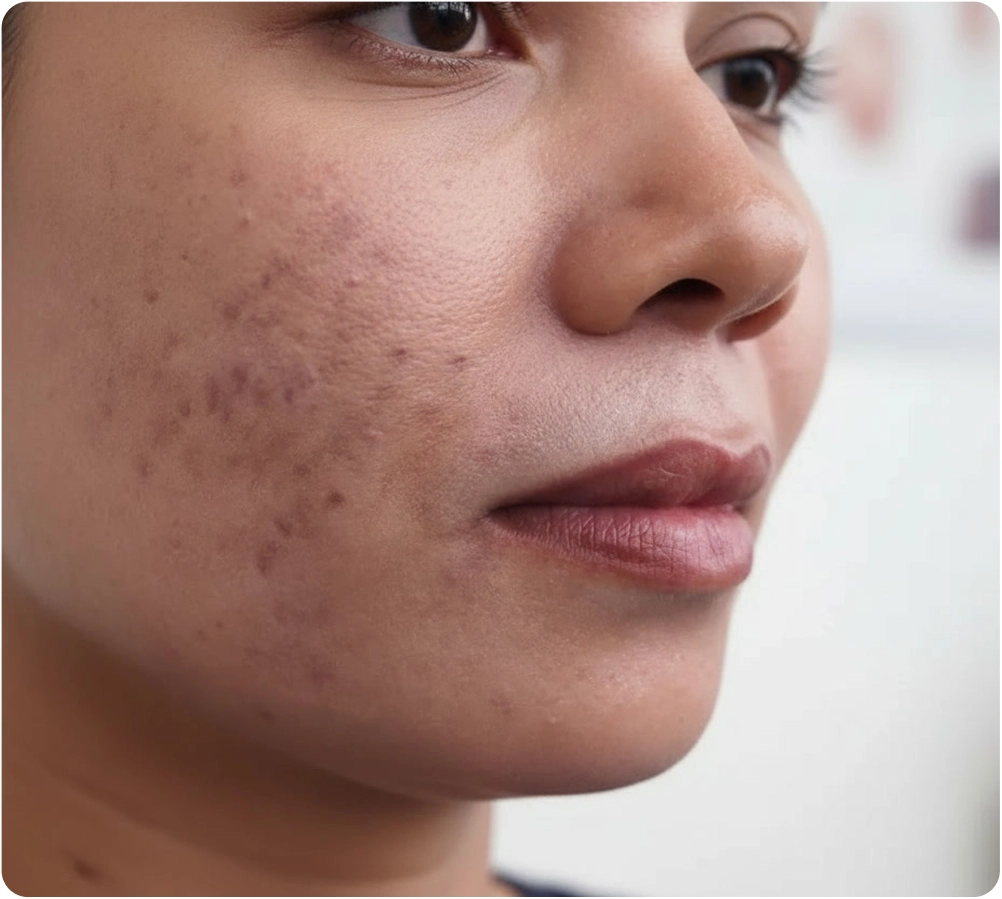
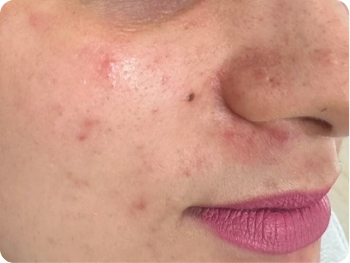
Hyperpigmentation is a common skin condition where patches of skin become darker in colour than the surrounding skin. This darkening occurs when an excess of melanin, the brown pigment that produces normal skin colour, forms deposits in the skin. While generally harmless, many people seek hyperpigmentation treatment to achieve a more uniform and confident appearance.
Understanding the specific cause of your dark spots on the face is the first step toward finding the most effective dark spot remover and achieving long-lasting results.
The primary driver of hyperpigmentation is excess melanin production, which can be triggered by several factors.
Sun Exposure is the number one cause of hyperpigmentation. UV rays stimulate melanin production, and over time, this can lead to the formation of sun spots and age spots, particularly on the face, hands, and other sun-exposed areas.
Hormonal Changes are a major contributor to a type of hyperpigmentation called melasma, often referred to as the “mask of pregnancy.” Hormonal fluctuations can make the skin more susceptible to pigmentation when exposed to UV light.
Post-Inflammatory Hyperpigmentation (PIH) occurs after an injury or inflammation to the skin, such as acne, eczema, or a cut. As the skin heals, it can produce too much melanin, leaving a dark spot behind.
Genetics & Skin Type can also play a role. Individuals with darker skin tones are often more prone to post-inflammatory hyperpigmentation, as their skin naturally produces more melanin.
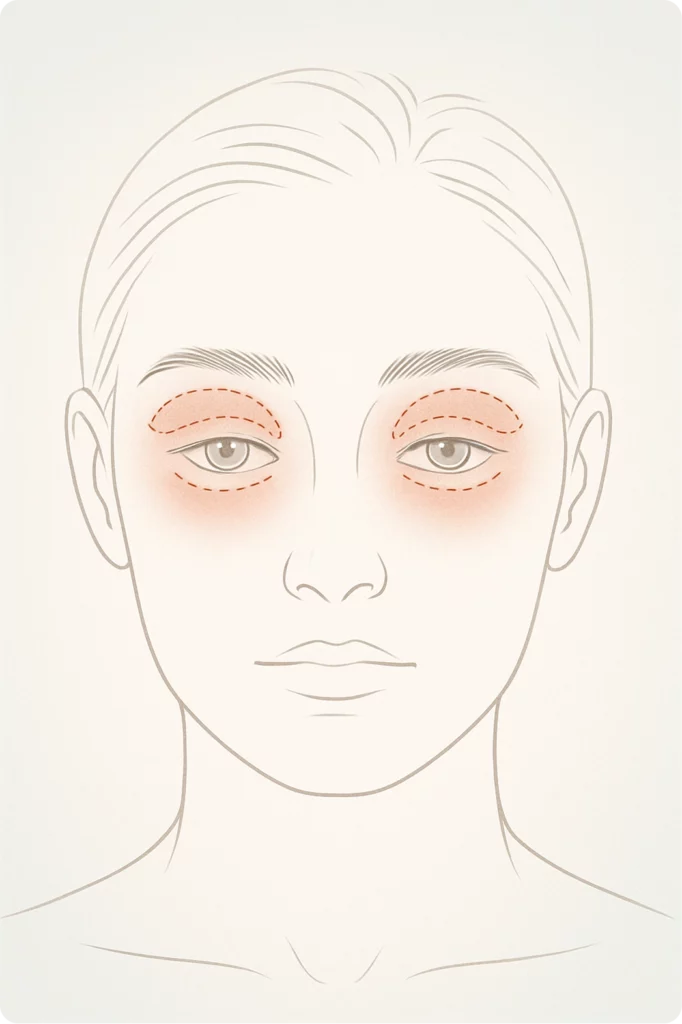
Hyperpigmentation can affect anyone, regardless of age, gender, or skin colour. It is particularly common in individuals with medium to darker skin tones and those who have significant sun exposure. From dark circles under eyes to stubborn dark spots on the face, it is one of the most common reasons people seek advice from a skincare professional.
How we at Shumaila’s can treat this
At Shumaila’s, we specialise in creating personalised treatment plans to effectively target and reduce all forms of hyperpigmentation, helping you achieve the clear, even skin you desire.
Advanced & Combination
Progressive Treatments
Excellent 4.9 out of 5


Showing our favourite reviews from Google
Saima Mustansar
7 days agoI attended this clinic for a consultation with Dr Iqra for my skin issues i.e melasma and fune lines.she is absolutely amazing.She explained all the aspects of the treatment thoroughly,she is very humble. I highly recommend dermatologist Dr Iqra and this clinic.Team is very welcoming and professional.I also highly recommend therapist Meena,she is wonderful.
0
0
Harrow
4.8
Rukia Begum
14 days agoMy PRP Experience at Shumailas I’ve had several treatments with Shumailas and have always found the team to be incredibly professional, friendly, and lovely to work with. I’m currently doing the Cosmelan treatment, and it has been life-changing for my skin. The hyperpigmentation on my face has cleared up so much, and my skin looks really clear, smooth, and even. I also had a PRP treatment, and I absolutely loved the results. It’s like “Botox in a bottle”! The glow and radiance I got from the treatment were amazing, and I received so many compliments on my skin afterwards. I’m really happy with my results and my overall experience at Shumailas. Excellent treatments and such a lovely team. I would definitely recommend them!
0
0
Ilford
4.8
Adelina Demiri
28 days agoJaya explained
0
1
Harrow
4.8
Alessia
46 days agoI’ve had a great experience at Shumaila’s Clinic in Loughton. After struggling with dermatitis, rosacea, and very sensitive skin since December, I finally found a doctor that understood what was going on. Dr Filza took the time to explain everything, created the right treatment plan, and my skin has improved so much since the first appointment in June. She is professional, caring, and knowledgeable. I highly recommend this clinic to anyone struggling with skin conditions.
0
0
Loughton
4.9
Aruna Vekaria
53 days agoHad the treatment done by Jaya she was really good and explained well hope it makes difference to my skin
0
0
Harrow
4.8
Kiran jass
61 days agoAmazing treatment by Sonia, she really makes you feel comfortable and recommends the best treatment for your skin
0
0
Upminster
4.8
James Sawyer
62 days agoSimran was excellent and professional throughout, the procedure was fast and painless.
0
0
Loughton
4.9
Zahid Mahmood
66 days agoI recently got laser skin removal done by Harpreet and the experience was honestly amazing. Dr. Harpreet is not just a skilled professional, but also a genuinely kind and approachable lady Before starting, he explained the entire process in detail, cleared all my doubts, and made sure I was comfortable throughout. Zero stress during the treatment. Highly recommend 10/10
0
0
East Ham
4.7
alisha Sembhi967
68 days agoI had a wonderful experience at Shumaila’s, I had been struggling with a skin issue for a long time, and after starting treatment here, my skin has improved amazingly. I’m so happy with the results and finally feel confident in my skin again. The entire staff is friendly, kind, welcoming, and always ready to help. A special thank you to Gurpreet, who is incredibly knowledgeable, professional, and genuinely caring, made me feel comfortable throughout my treatment. Her friendly nature and expertise made all the difference. I highly recommend this clinic to anyone looking for effective skin treatments and excellent care. Thank you to the whole team for such a great experience!
0
0
Harrow
4.8
Muhammad Usman Khan
78 days agoI had a skin consultation with Iqra and was extremely impressed with her knowledge and professionalism. She carefully assessed my skin concerns and created a treatment plan tailored to my needs. My skin has become brighter, healthier, and more radiant. I highly recommend Iqra to anyone looking for expert skin advice.
0
0
Harrow
4.9
Eleanor Bird
83 days agoWelcoming and professional experience with Mundeep. Makes you feel very comfortable and seeing good effects of laser!
0
0
Ilford
4.8
Shraddha Goswami
109 days agoIt’s nice experience with the clinic. Offers Initial consultation to discuss about problems and select treatment. Professional and expert staff, doing their jobs delicately.
0
0
Harrow
4.9
Afsheen K
113 days agoI have been a customer of Shumaila’s for the past two years and have previously visited their Ilford and Gants Hill branches, so I was really excited when a new branch opened on Chingford Mount Road and it has honestly been such a wonderful addition to our area. From the moment I walked in, I was warmly welcomed by Rinki, who carried out my consultation. I was genuinely impressed by her knowledge, professionalism, and the way she explained everything so clearly. Since I already had experience with these treatments, I could tell she truly understood skincare and knew exactly what she was talking about. So far, I have had a Hydra Facial done by Dr. Zunera and microneedling done by Dr. Sharn, both of whom were amazing. The treatments were carried out professionally, and I felt completely comfortable and well looked after throughout. Another lovely member of staff also did my daughter’s laser patch test, and my daughter has now started her laser treatment here as well. What really stands out about this branch is how friendly, welcoming, and knowledgeable the entire team is. They make you feel comfortable straight away and are always happy to answer any questions without rushing you. The clinic itself is beautiful, clean, modern, and equipped with what seems to be the latest technology and machines. I also really appreciate the treatment packages they offer, which make everything much more affordable and reasonable. I personally purchased packages for microneedling, Hydra Facial, and laser treatment. I’m extremely happy with all of them. I’m genuinely excited to continue my future treatments here and would highly recommend this branch to anyone considering skincare or laser treatments. If you have any doubts or questions, just walk in and speak to the team , they are incredibly helpful and honest. A huge thank you to everyone at the Chingford Mount Road branch for doing such a fantastic job. Wishing you all continued success!
1
0
Chingford
5.0
Farina Rehman
113 days agoI recently visited the Shumaila’s Chingford branch and had a consultation with Rinky. She is extremely knowledgeable and really understands skin treatments well. She gave me the best recommendation for my skin concerns. I had a lot of pigmentation and acne scars, and after assessing my skin, Rinky recommended the Cosmelan Peel. At first, I was a bit apprehensive, but Rinky reassured me that it would be the best treatment for my skin. It has now been almost two weeks since I had the peel, and honestly, it’s one of the best things I’ve ever done for my skin. My skin is so much clearer already. In the past, I would never leave the house without foundation, but now I feel so comfortable and confident in my own skin using only the products recommended by her. Rinky is also very friendly and genuinely cares about her clients. Throughout the home-care treatment, I was able to reach out to her whenever I needed advice or reassurance. Rinky was always available, supportive, and made time to see me when needed, which made the whole experience even better. This has truly been the best investment I’ve made for my skin, and I would highly recommend this procedure to anyone struggling with pigmentation or acne marks. If you ever visit Shumaila’s Chingford, definitely ask to see Rinky. She genuinely recommends only what is best for you. Thank you so much, Rinky, for making me feel comfortable and confident in my own skin again!
0
0
Chingford
5.0
HARSH DOSHI
123 days agoMina is an amazing skin care specialist who has calmly explained me about the treatment before executing it in my face and was on constant talk with me asking weather I am comfortable with the pain and burns
0
0
Harrow
4.9
Fateha Begum
123 days agoI recently had the Cosmelan treatment at Chingwell Shumila’s, and my consultant was Rinky. I am extremely pleased with the service I received from her. She was professional and caring throughout the process to make sure I was doing well. It has now been almost three months since my treatment, and I can already see a big improvement in my pigmentation. My dark patches have noticeably faded, and even people around me have commented on the positive change in my skin. I’m really happy with my results and with the excellent service from Rinky. I would definitely recommend the Cosmelan treatment to anyone dealing with pigmentation, and I highly suggest visiting Chingwell Shumila’s.
0
0
Chingford
5.0
Kirtida Shah
131 days agoI got my pigmentation treatment from iqra oh my god my skin never looks this much good and clear really recommended thank you I was so depressed
0
0
Harrow
4.9
Shahina Wadud
133 days agoI recently had the Cosmelan treatment with Rinky, and I am extremely pleased with the results. My skin has become much clearer, brighter, and more even-toned. The improvement has been amazing, and I feel so much more confident. Rinky was highly professional, knowledgeable, and supportive throughout the entire process. I would highly recommend her services to anyone looking to improve their skin.
0
0
Chingford
5.0
maria nighat
134 days agoI recently had a treatment for melasma, and I’m honestly so happy with the results. My skin tone looks much more even, and my dark spots have significantly faded—some have completely disappeared. The difference is really noticeable. What I love most is that I no longer feel the need to wear foundation every day. My skin looks healthy and clear on its own, which has been such a confidence boost. I would definitely recommend this treatment to anyone struggling with melasma or uneven skin tone.
0
0
Upminster
4.8
Anum
155 days agoI had such a great experience with Harpreet! From the moment I walked in, she made me feel completely comfortable and at ease. She’s incredibly professional, knowledgeable, and takes the time to explain everything clearly, which really helped calm any nerves I had. Harpreet is also very gentle and attentive, always checking in to make sure I’m okay throughout the treatment. You can tell she genuinely cares about her clients and wants the best results for them. The whole experience felt safe, welcoming, and reassuring. I wouldn’t hesitate to recommend Harpreet to anyone considering laser treatments—she’s amazing at what she does!
1
0
East Ham
4.7
At Shumaila’s, we understand that every double chin is unique, requiring personalised treatment approaches.
Our comprehensive range of solutions allows us to recommend the most appropriate option based on your specific concerns, lifestyle, and desired outcomes.
Non Surgical
First-Line Treatments
Hydrafacial
A Hydrafacial is an excellent first-line treatment that deeply cleanses, exfoliates, and hydrates the skin. We incorporate a special brightening booster to help lift surface-level pigmentation and improve overall skin radiance without causing inflammation.
Ideal for
Surface-level pigmentation, improving skin texture and glow
Results
Immediate improvement in skin brightness and hydration
Duration
A course of treatments is recommended for best results
Progressive Treatments
Advanced & Combination
RF Microneedling (Morpheus8)
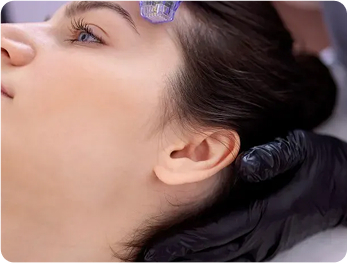
With careful settings, RF Microneedling (Morpheus8) can be a powerful treatment for certain types of hyperpigmentation. It combines microneedling with radiofrequency energy to remodel the skin and stimulate collagen, which can help break up pigment and improve skin texture. This is performed with caution to avoid post-inflammatory hyperpigmentation.
Ideal for
Post-inflammatory hyperpigmentation, uneven skin texture
Results
Gradual improvement over 3-6 months
Management
Requires a course of treatments

Profhilo®
Profhilo is a bio-remodelling injectable that provides deep hydration and strengthens the skin’s structure. A healthy, resilient skin barrier is less prone to inflammation and pigmentation, making Profhilo a key supportive treatment in a long-term management plan.
Ideal for
Strengthening the skin barrier, improving overall skin quality
Results
Improved skin health and resilience over 2 treatments
Management
Maintenance sessions every 6 months
Polynucleotides
Polynucleotides are bio-stimulators that work at a cellular level to repair damaged skin and reduce inflammation. By promoting a healthier skin environment, they help manage pigmentation issues from the inside out, making the skin less reactive to triggers.
Ideal for
Compromised skin, reducing inflammation, long-term skin health
Results
Gradual improvement in skin resilience over a course of treatments
Management
A course of treatments followed by maintenance
Why choose Shumaila’s for Hyperpigmentation Treatment?
25+ Years of Pigmentation Expertise – Deep experience in treating complex hyperpigmentation cases.
Advanced Laser & Light Technology – Medical-grade IPL and laser platforms for precise, effective results.
9 Convenient London Locations – Expert care for dark spots on face is always nearby.
Customised Multi-Modal Plans – Combining the best treatments for your unique skin concerns.
Timeslots to follow
No available times for this period
Pick a date to see available times
You're booking for
Tell us about yourself
A valid UK mobile number beginning with 07 is required to make a successful booking. Be assured that your number will never be shared with anyone.
Required
Required
Valid email required
Confirmed
Frequent Asked Questions
The cost of treating hyperpigmentation and dark spots depends on the type of pigmentation, the area being treated, and the combination of treatments recommended. Options may include chemical peels, IPL/laser, microneedling and supportive skin-rejuvenating injectables, used alone or in a tailored plan.
At your consultation, we’ll assess your skin, identify the underlying cause of your dark spots, and recommend a personalised treatment plan with a clear breakdown of costs. We can also discuss flexible payment options to help you spread the cost of treatment where appropriate.
The “best” treatment is highly individual. For many, IPL laser therapy offers the most effective and permanent solution for distinct dark spots. For hormonal melasma or widespread uneven tone, a combination of chemical peels and microneedling may be more suitable. A consultation is essential to determine the right plan for you.
Permanent removal of existing dark spots is possible with treatments like IPL laser. However, preventing new spots is crucial. The single most important step is diligent, daily use of a broad-spectrum SPF 50+ sunscreen to prevent new melanin from forming.
Yes, we can treat dark circles under the eyes. The best approach depends on the cause. If the dark circles are caused by hyperpigmentation, treatments like gentle chemical peels or specific laser therapies can be very effective. If they are caused by volume loss, dermal fillers may be a better option.
Absolutely. However, it requires a knowledgeable practitioner. At Shumaila’s, we have extensive experience treating hyperpigmentation in all skin tones. We carefully select treatments and settings to minimise any risk and maximise results for darker skin types, which can be more prone to post-inflammatory hyperpigmentation.
These terms are often used interchangeably. A “dark spot remover” typically refers to a treatment that physically eliminates the pigmented cells, like a laser. A “dark spot corrector” might refer to a topical product or treatment that works to fade the spot and inhibit future pigment production. We offer both types of solutions.
Request a Consultation
One of our friendly consultants will contact you to answer your questions, and to book a consultation for your chosen treatment.