


Look. Feel. Live. Better
Gynaecomastia Treatment
| Overview |
|---|
| Primary Concern |
| Also Known As |
| Common Causes |
| Affects |
| Primary Surgical Solution |
| Supporting Treatments |
| Time to See Results |
| Results Duration |
| Details |
|---|
| Enlarged Male Breasts |
| Gyno, Man Boobs |
| Hormonal Imbalance (Estrogen/Testosterone), Puberty, Ageing, Obesity, Certain Medications |
| Males of all ages, particularly during puberty and older age |
| Male Breast Reduction (Gynaecomastia Surgery) |
| Weight Loss Management (for pseudogynecomastia) |
| Final results are visible after 3-6 months post-surgery |
| Permanent |
Understanding Gynaecomastia
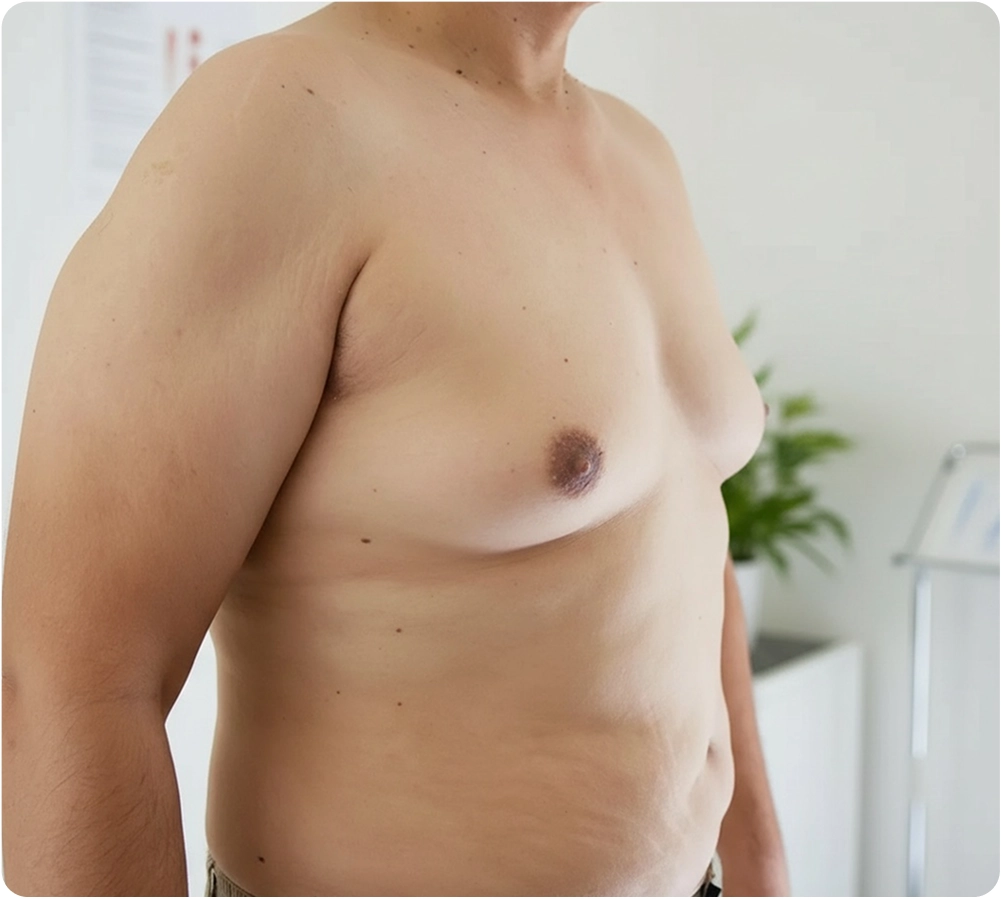
Gynaecomastia is a common endocrine disorder that results in the enlargement of glandular breast tissue in males. It is crucial to differentiate between true gynaecomastia and pseudogynecomastia:
- True Gynaecomastia: This involves the proliferation of actual breast glandular tissue, which feels like a firm, rubbery disc of tissue located directly under the nipple.
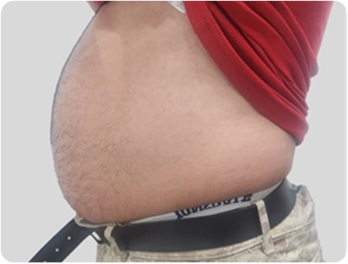
- Pseudogynecomastia: This is simply an accumulation of fat (adipose tissue) in the breast area, without any excess glandular tissue. It is common in overweight or obese men and feels soft to the touch, without a distinct disc.
The condition is most often caused by a hormonal imbalance between estrogen and testosterone. When the ratio shifts to favour estrogen, breast tissue can be stimulated to grow. Common causes include:
- Puberty: Temporary hormonal fluctuations during puberty are the most common cause in adolescents. This often resolves on its own.
- Ageing: As men age, testosterone levels naturally decline, which can lead to gynaecomastia.
- Obesity: Excess fat tissue can increase the conversion of testosterone to estrogen, promoting breast tissue growth.
- Medications: Certain medications, including some used for heart conditions, anxiety, and prostate issues, can cause gynaecomastia as a side effect.
It is a clinical fact that true glandular gynaecomastia cannot be resolved through diet or exercise, as it is not composed of fat.
How we at Shumaila’s can treat this
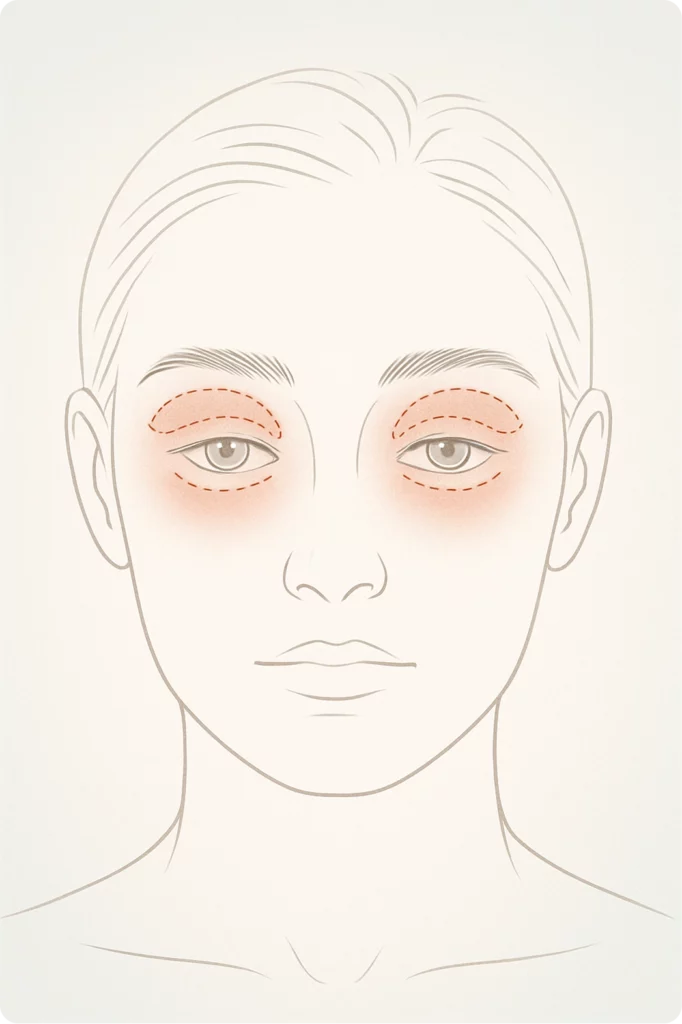
Addressing gynaecomastia requires a sensitive and clinical approach. Our consultations are held in a confidential, CQC-regulated environment where our medical team will assess your condition to determine if it is true gynaecomastia or pseudogynecomastia. Based on this diagnosis, we provide expert advice and referrals for the definitive surgical solution.
Excellent 4.9 out of 5


Supporting Treatments
Advanced & Combination
Weight Loss Management
If your condition is diagnosed as pseudogynecomastia (caused by excess fat), the primary approach is weight loss. We can provide adjacency messaging and support through our Weight Loss Injection programmes, which can be a valuable tool in a medically supervised weight management plan to reduce overall body fat, including in the chest area.
Ideal for
Patients with pseudogynecomastia where excess adipose tissue is the sole cause of chest enlargement
Results
A gradual reduction in chest size as overall body fat percentage decreases
Management
This is part of a comprehensive lifestyle change involving diet and exercise
Definitive Treatments
Surgical Solutions
Male Breast Reduction (Gynaecomastia Surgery)
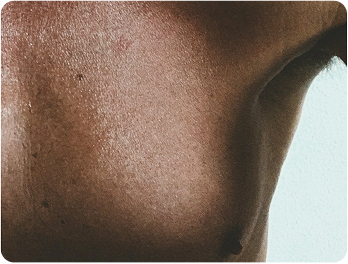
For true gynaecomastia, surgery is the only effective and permanent solution. The procedure is tailored to the patient’s specific anatomy and typically involves two components:
- Excision: The surgeon makes a small incision, usually around the areola, to directly remove the firm glandular breast tissue.
- Liposuction: Liposuction is often used in conjunction with excision to remove any excess fatty tissue and sculpt a flatter, more masculine chest contour.
Ideal for
Patients with true glandular gynaecomastia, with or without excess fatty tissue
Results
A permanent removal of the enlarged breast tissue, resulting in a flatter, more contoured, and masculine-looking chest
Management
This is a surgical procedure requiring downtime and recovery, for which we provide expert referrals
Why choose Shumaila’s
for Consultation?
Frequent Asked Questions
True gynaecomastia typically feels like a firm or rubbery disc of tissue under the nipple area, which may be tender. Chest fat (pseudogynecomastia) feels soft and is not concentrated in a disc under the nipple. A clinical examination is the best way to get a definitive diagnosis.
In adolescents, pubertal gynaecomastia often resolves on its own within one to three years. In adult men, however, established gynaecomastia is usually permanent and will not go away without surgical intervention.
Exercise can help reduce chest fat in cases of pseudogynecomastia, but it cannot get rid of true glandular breast tissue. No amount of weight training or cardio will shrink the actual breast gland.
Most patients can return to a desk job and light activities within a week. A compression garment is typically worn for several weeks. Strenuous exercise and heavy lifting should be avoided for 4-6 weeks.
It is very rare for gynaecomastia surgery to be covered by the NHS. It is usually only considered in extreme cases or if there is a suspicion of underlying disease. Most men seeking treatment for this condition do so privately.