


Look. Feel. Live. Better
Shumaila’s Insights
Melasma
Struggling with melasma on your face? Discover the triggers behind hormonal pigmentation and explore the best melasma treatments, from advanced chemical peels to targeted laser therapy, to restore your skin’s clarity and confidence.
| Overview |
|---|
| Primary Concern |
| Also Known As |
| Common Triggers |
| Appearance |
| Primary Treatment Options |
| Time to See Results |
| Management |
| Common Areas |
| Details |
|---|
| Melasma, Hormonal Pigmentation |
| Chloasma, "Mask of Pregnancy" |
| Hormonal Changes (Pregnancy, Contraceptives), Sun Exposure, Genetics |
| Symmetrical, blotchy brown or greyish patches |
| Combination Therapy, Chemical Peels, Laser Treatment, Topical Agents |
| 4 weeks to 6 months depending on severity and treatment |
| Chronic condition requiring ongoing management & sun protection |
| Cheeks, Forehead, Upper Lip, Nose, Chin |
Understanding Melasma
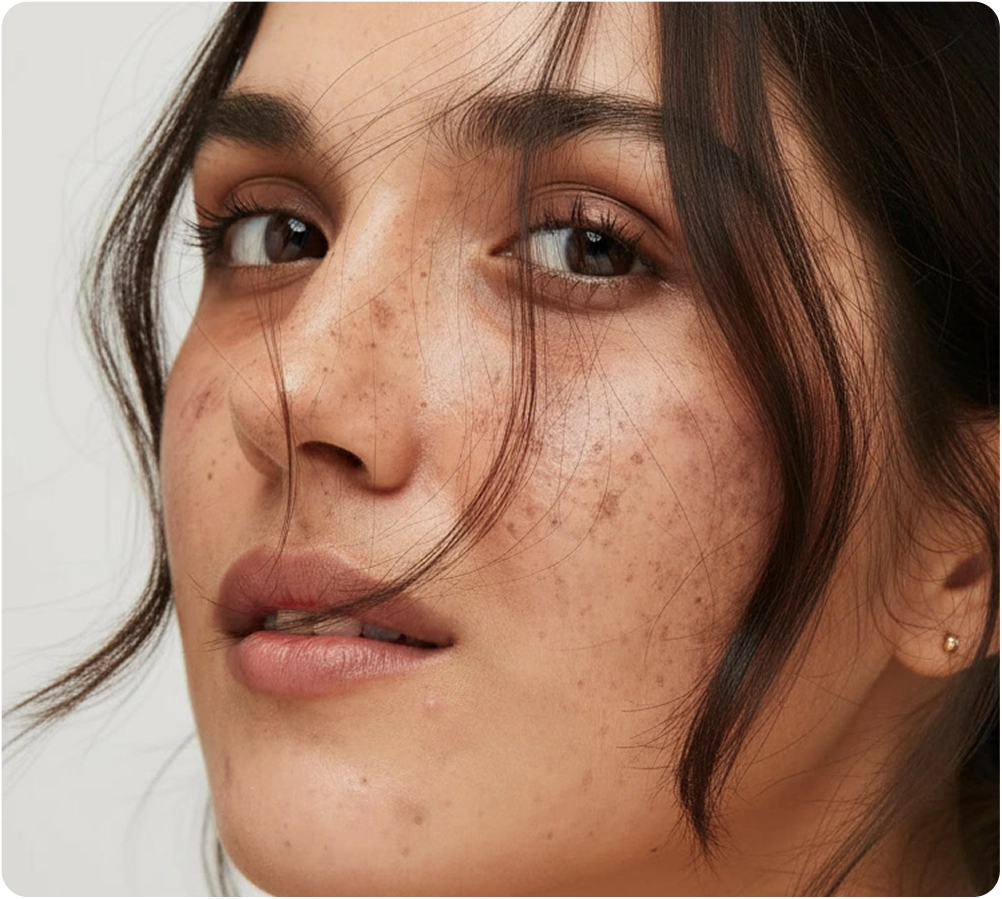
Melasma is a specific and common type of hyperpigmentation that presents as symmetrical, blotchy brown or grey-brown patches on the face. Often called the “mask of pregnancy” or chloasma, it is directly linked to hormonal fluctuations combined with sun exposure.
Unlike sun spots, which are typically small and defined, melasma appears as larger, more widespread patches, creating an uneven and sometimes distressing cosmetic concern.
Finding the best treatment for melasma on the face requires a deep understanding of its triggers and a strategic, long-term approach to management.
Melasma is a complex condition with several contributing factors, but the primary drivers are hormones and ultraviolet (UV) light.
Hormonal Fluctuations are the key trigger. The condition is most common in women, particularly during pregnancy, when taking oral contraceptives, or undergoing hormone replacement therapy. These hormonal shifts stimulate melanocytes (pigment-producing cells) to go into overdrive.
Sun Exposure acts as the activator. Even small amounts of sun exposure can trigger or worsen melasma in individuals who are hormonally predisposed. UV light stimulates the overactive melanocytes to produce excess pigment, causing the characteristic dark patches to appear or darken.
Genetics also play a significant role. If you have a close family member with melasma, you have a much higher likelihood of developing it yourself. Certain skin types are also more susceptible.
Melasma predominantly affects women, with only about 10% of cases occurring in men. It is most common in women aged 20-50 and is particularly prevalent in individuals with olive or darker skin tones (Fitzpatrick skin types III-VI). The appearance of melasma on the face—specifically the cheeks, forehead, and upper lip—is the most frequent presentation.

How we at Shumaila’s can treat this
Melasma is a chronic condition that requires a long-term management strategy rather than a one-time cure. At Shumaila’s, our approach focuses on improving overall skin health and supporting the skin’s barrier to help manage pigmentation and prevent flare-ups. We guide our patients towards a holistic plan that includes professional treatments, medical-grade homecare, and diligent sun protection.
Excellent 4.9 out of 5


Showing our favourite reviews from Google
Saima Mustansar
7 days agoI attended this clinic for a consultation with Dr Iqra for my skin issues i.e melasma and fune lines.she is absolutely amazing.She explained all the aspects of the treatment thoroughly,she is very humble. I highly recommend dermatologist Dr Iqra and this clinic.Team is very welcoming and professional.I also highly recommend therapist Meena,she is wonderful.
0
0
Harrow
4.8
Adelina Demiri
28 days agoJaya explained
0
1
Harrow
4.8
Alessia
46 days agoI’ve had a great experience at Shumaila’s Clinic in Loughton. After struggling with dermatitis, rosacea, and very sensitive skin since December, I finally found a doctor that understood what was going on. Dr Filza took the time to explain everything, created the right treatment plan, and my skin has improved so much since the first appointment in June. She is professional, caring, and knowledgeable. I highly recommend this clinic to anyone struggling with skin conditions.
0
0
Loughton
4.9
Aruna Vekaria
53 days agoHad the treatment done by Jaya she was really good and explained well hope it makes difference to my skin
0
0
Harrow
4.8
Kiran jass
61 days agoAmazing treatment by Sonia, she really makes you feel comfortable and recommends the best treatment for your skin
0
0
Upminster
4.8
Zahid Mahmood
66 days agoI recently got laser skin removal done by Harpreet and the experience was honestly amazing. Dr. Harpreet is not just a skilled professional, but also a genuinely kind and approachable lady Before starting, he explained the entire process in detail, cleared all my doubts, and made sure I was comfortable throughout. Zero stress during the treatment. Highly recommend 10/10
0
0
East Ham
4.7
alisha Sembhi967
68 days agoI had a wonderful experience at Shumaila’s, I had been struggling with a skin issue for a long time, and after starting treatment here, my skin has improved amazingly. I’m so happy with the results and finally feel confident in my skin again. The entire staff is friendly, kind, welcoming, and always ready to help. A special thank you to Gurpreet, who is incredibly knowledgeable, professional, and genuinely caring, made me feel comfortable throughout my treatment. Her friendly nature and expertise made all the difference. I highly recommend this clinic to anyone looking for effective skin treatments and excellent care. Thank you to the whole team for such a great experience!
0
0
Harrow
4.8
Muhammad Usman Khan
78 days agoI had a skin consultation with Iqra and was extremely impressed with her knowledge and professionalism. She carefully assessed my skin concerns and created a treatment plan tailored to my needs. My skin has become brighter, healthier, and more radiant. I highly recommend Iqra to anyone looking for expert skin advice.
0
0
Harrow
4.9
Shraddha Goswami
109 days agoIt’s nice experience with the clinic. Offers Initial consultation to discuss about problems and select treatment. Professional and expert staff, doing their jobs delicately.
0
0
Harrow
4.9
Afsheen K
113 days agoI have been a customer of Shumaila’s for the past two years and have previously visited their Ilford and Gants Hill branches, so I was really excited when a new branch opened on Chingford Mount Road and it has honestly been such a wonderful addition to our area. From the moment I walked in, I was warmly welcomed by Rinki, who carried out my consultation. I was genuinely impressed by her knowledge, professionalism, and the way she explained everything so clearly. Since I already had experience with these treatments, I could tell she truly understood skincare and knew exactly what she was talking about. So far, I have had a Hydra Facial done by Dr. Zunera and microneedling done by Dr. Sharn, both of whom were amazing. The treatments were carried out professionally, and I felt completely comfortable and well looked after throughout. Another lovely member of staff also did my daughter’s laser patch test, and my daughter has now started her laser treatment here as well. What really stands out about this branch is how friendly, welcoming, and knowledgeable the entire team is. They make you feel comfortable straight away and are always happy to answer any questions without rushing you. The clinic itself is beautiful, clean, modern, and equipped with what seems to be the latest technology and machines. I also really appreciate the treatment packages they offer, which make everything much more affordable and reasonable. I personally purchased packages for microneedling, Hydra Facial, and laser treatment. I’m extremely happy with all of them. I’m genuinely excited to continue my future treatments here and would highly recommend this branch to anyone considering skincare or laser treatments. If you have any doubts or questions, just walk in and speak to the team , they are incredibly helpful and honest. A huge thank you to everyone at the Chingford Mount Road branch for doing such a fantastic job. Wishing you all continued success!
1
0
Chingford
5.0
Fateha Begum
123 days agoI recently had the Cosmelan treatment at Chingwell Shumila’s, and my consultant was Rinky. I am extremely pleased with the service I received from her. She was professional and caring throughout the process to make sure I was doing well. It has now been almost three months since my treatment, and I can already see a big improvement in my pigmentation. My dark patches have noticeably faded, and even people around me have commented on the positive change in my skin. I’m really happy with my results and with the excellent service from Rinky. I would definitely recommend the Cosmelan treatment to anyone dealing with pigmentation, and I highly suggest visiting Chingwell Shumila’s.
0
0
Chingford
5.0
Kirtida Shah
131 days agoI got my pigmentation treatment from iqra oh my god my skin never looks this much good and clear really recommended thank you I was so depressed
0
0
Harrow
4.9
Shahina Wadud
133 days agoI recently had the Cosmelan treatment with Rinky, and I am extremely pleased with the results. My skin has become much clearer, brighter, and more even-toned. The improvement has been amazing, and I feel so much more confident. Rinky was highly professional, knowledgeable, and supportive throughout the entire process. I would highly recommend her services to anyone looking to improve their skin.
0
0
Chingford
5.0
maria nighat
134 days agoI recently had a treatment for melasma, and I’m honestly so happy with the results. My skin tone looks much more even, and my dark spots have significantly faded—some have completely disappeared. The difference is really noticeable. What I love most is that I no longer feel the need to wear foundation every day. My skin looks healthy and clear on its own, which has been such a confidence boost. I would definitely recommend this treatment to anyone struggling with melasma or uneven skin tone.
0
0
Upminster
4.8
Anum
155 days agoI had such a great experience with Harpreet! From the moment I walked in, she made me feel completely comfortable and at ease. She’s incredibly professional, knowledgeable, and takes the time to explain everything clearly, which really helped calm any nerves I had. Harpreet is also very gentle and attentive, always checking in to make sure I’m okay throughout the treatment. You can tell she genuinely cares about her clients and wants the best results for them. The whole experience felt safe, welcoming, and reassuring. I wouldn’t hesitate to recommend Harpreet to anyone considering laser treatments—she’s amazing at what she does!
1
0
East Ham
4.7
Life as Yali
157 days agoI had an amazing experience with Shamaila’s for my Cosmelan treatment! From the very beginning, Nazia made me feel completely comfortable and explained every step of the process in detail, which really put my mind at ease. Her professionalism and knowledge are outstanding — you can tell she truly cares about her clients and their results. Throughout the treatment, she was attentive, gentle, and always checked in to make sure I was okay. I’ve already started to see improvements in my skin, and I’m so happy with how everything is progressing. My complexion looks brighter, clearer, and more even than before. I highly recommend Shamaila’s to anyone considering Cosmelan or any skin treatment. You’ll be in safe, expert hands!
1
0
Upminster
4.8
Laudiette Accorley Jacquet
157 days agoBushra in the Colchester branch makes every treatment relaxing and enjoyable. She's very competent in her field (hyperpigmentation, PRP etc ) she explains every single step and has great customer service.
0
0
Colchester
4.9
Sammy Anne
161 days agoI’m the customer for a very long time started the laser hair. Removal was very scared and petrified with the overall Google search how the pigmentation treatments come out extremely reluctant. It took me about a year but highly grateful to Upminster team specially Nazia and Rabia who has been so reassuring and been with me step-by-step I followed the routine I took their advice and just went for it today. I didn’t realise that was the bestest thing I did. My face looks different. My husband started commenting on my skin which is very unusual, but I am extremely pleased anyone looking for pigmentation treatment. Shumaila is the right place for you especially if you have coloured skin issues definitely it was worth it, thank you team. ❤️❤️
2
0
Upminster
4.8
Jeet
193 days agoHi I have good experience with Irfra , Jaya & Receptionist Shivani as I'm taking treatment Of pigmentation They all taking great care Of my skin Value for money I'm happy with Shumaila's treatment Place as it is very friendly & positive Clean place It's greatly Recommend From Varsha
1
0
Harrow
4.9
A R
193 days agoI have just finished my 3rd treatment and my skins looks so much better than it did when I first got there and I now gave reduced pigmentation. Plus my skin feels lovely and smooth. The venue is very clean and welcoming and the staff at reception are so pleasant and friendly. Sharan is very professional at what she does and explains every aspect of what she's doing. The facials are so relaxing and I always come out feeling really rejuvenated. If your looking to have facials/beauty treatments etc., I would highly recommend that you book an appointment at Shumailas In Chingord East London TODAY!. I am not one for facials but since starting my course of treatment I have had no regrets. I am a very happy customer.
2
0
Chingford
5.0
At Shumaila’s, we understand that every double chin is unique, requiring personalised treatment approaches.
Our comprehensive range of solutions allows us to recommend the most appropriate option based on your specific concerns, lifestyle, and desired outcomes.
Non Surgical
First-Line Treatments
Hydrafacial
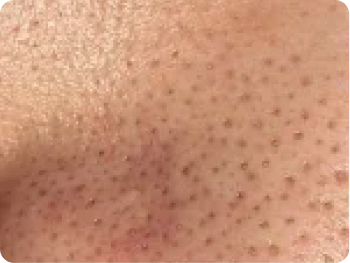
A gentle Hydrafacial can help improve the overall quality and texture of the skin without causing the inflammation that can trigger melasma. By cleansing, exfoliating, and hydrating the skin, it creates a healthier canvas, which can improve the effectiveness of your topical homecare products.
Ideal for
Maintaining skin health, gentle exfoliation, improving skin radiance
Results
Immediate improvement in skin hydration and glow
Duration
Recommended as part of a regular skin maintenance routine

Profhilo®
Profhilo is a unique injectable treatment that provides intense hydration from within. By remodelling the skin’s structure, it helps to improve overall skin quality and resilience, which is crucial for managing chronic conditions like melasma.
Ideal for
Dehydrated skin, improving skin texture and firmness
Results
Improved skin quality over a course of 2 treatments
Duration
Maintenance sessions are recommended every 6 months
Polynucleotides
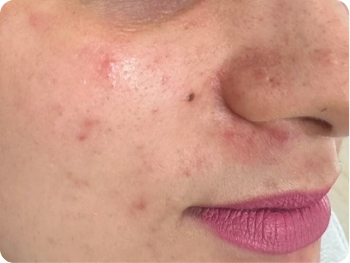
Polynucleotides are a cutting-edge bio-stimulator that works at a cellular level to repair and regenerate skin tissue. For melasma, this helps to build a stronger, healthier skin barrier, making it less susceptible to pigmentation triggers.
Ideal for
Compromised skin barrier, cellular-level repair
Results
Gradual improvement in skin health and resilience over 2-3 sessions
Duration
A course of treatments followed by maintenance sessions
Why choose Shumaila’s
for Melasma Treatment?
Melasma Specialisation – Deep expertise in the nuances of hormonal pigmentation.
Consultant-Led Protocols – Treatment plans designed around proven clinical strategies.
9 UK-Wide Clinic Locations – Find “melasma treatment near me” in London, Essex, and Hertfordshire.
Focus on Long-Term Management – We empower you with the tools and knowledge to control melasma for good.
Timeslots to follow
No available times for this period
Pick a date to see available times
You're booking for
Tell us about yourself
A valid UK mobile number beginning with 07 is required to make a successful booking. Be assured that your number will never be shared with anyone.
Required
Required
Valid email required
Confirmed
Frequent Asked Questions
Because the most effective way to treat melasma is usually a personalised combination plan, costs can vary from person to person. Some patients may benefit from standalone treatments such as chemical peels, while others achieve better results with a programme that can include peels, microneedling, and targeted homecare products.
At your consultation, we’ll assess your skin, recommend the most suitable treatment plan, and provide a clear, itemised quote. We’ll always aim to balance effectiveness with your budget.
There is no single “best” treatment. The most effective strategy is almost always a combination approach that includes professional treatments (like peels), medical-grade topical agents (such as tranexamic acid or retinoids), and, most importantly, strict, daily use of a high-SPF, broad-spectrum sunscreen.
Currently, there is no permanent cure for melasma. It is a chronic condition that can be very effectively managed, but not eradicated. Successful long-term management involves consistent treatment and a lifetime commitment to sun protection to prevent flare-ups.
Hydroquinone is a powerful prescription-only skin-lightening agent that can be effective for melasma, but its use is controversial and strictly regulated in the UK. It must be used under medical supervision for short periods due to potential side effects. We prioritise proven alternatives like tranexamic acid, azelaic acid, and specific retinoids that offer excellent results with a stronger safety profile.
Melasma often returns due to its chronic nature and sensitivity to triggers. The most common reason for recurrence is sun exposure—even incidental exposure on a cloudy day can be enough to reactivate the pigment-producing cells. Hormonal shifts can also cause a flare-up. This is why ongoing maintenance and sun protection are non-negotiable.
Treating melasma during pregnancy is challenging as many effective ingredients (like retinoids and hydroquinone) are not recommended. However, we can support you with pregnancy-safe options like azelaic acid-based peels and provide a robust sun protection plan to prevent it from worsening. A full treatment plan can begin after you have finished breastfeeding.
Request a Consultation
One of our friendly consultants will contact you to answer your questions, and to book a consultation for your chosen treatment.