


Look. Feel. Live. Better
Shumaila’s Insights
Hair Loss in Women
Female hair loss has multiple causes. Treatment options range from non-surgical therapies to permanent hair transplant solutions for restoring density and confidence.
| Overview |
|---|
| Primary Concern |
| Also Known As |
| Common Causes |
| Affects |
| Primary Treatment Options |
| Time to See Results |
| Results Duration |
| Treatment Areas |
| Details |
|---|
| Hair Thinning, Female Hair Loss, Reduced Hair Density |
| Female Pattern Hair Loss (FPHL), Androgenetic Alopecia, Telogen Effluvium |
| Genetics, Hormonal Changes (Menopause, PCOS), Stress, Nutritional Deficiencies |
| Women of all ages, increasingly common after 30 |
| PRP Therapy, Mesotherapy, Medical Topicals, Female Hair Transplant |
| 3-6 months (Non-Surgical) to 9-12 months (Surgical) |
| Ongoing management (Non-Surgical) to Permanent (Surgical) |
| Scalp, Hairline, Parting Line |
Understanding Hair Loss in Women
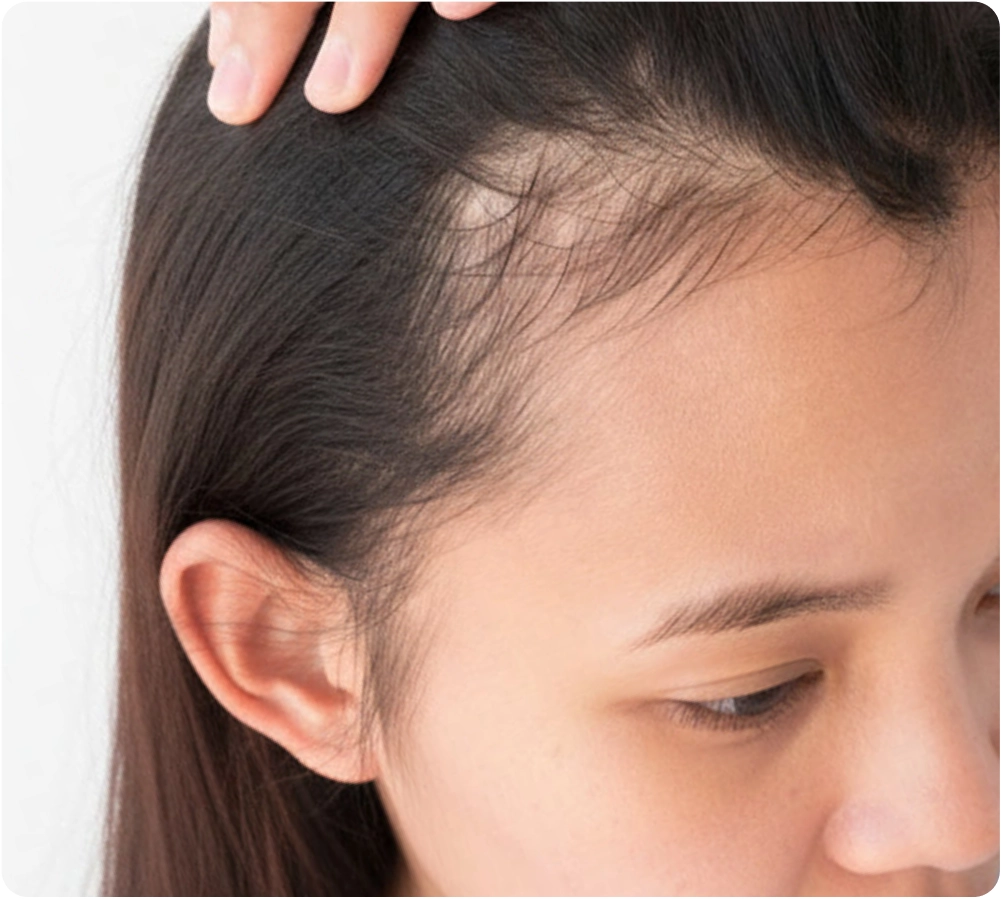
Hair loss in women typically presents as a gradual thinning of the hair, most noticeably along the parting line or at the crown of the head, rather than the receding hairline common in men. This condition, known as Female Pattern Hair Loss (FPHL), can significantly impact self-esteem.
Unlike male hair loss, it rarely leads to complete baldness but results in a visible reduction in volume and density. Finding the best hair loss treatment for female patients starts with identifying the underlying cause.
Female hair loss is multifactorial, with several potential triggers working alone or in combination.
Genetics (Androgenetic Alopecia) is the most common cause. If you have a family history of hair thinning (in either men or women), you are more susceptible. It involves a genetically determined sensitivity to the effects of androgen hormones on the hair follicles.
Hormonal Changes are a major contributor. Events like menopause, pregnancy (postpartum hair loss), and conditions like Polycystic Ovary Syndrome (PCOS) can disrupt the hair growth cycle, leading to increased shedding and thinning.
Stress & Telogen Effluvium: Significant physical or emotional stress can push a large number of hair follicles into the resting (telogen) phase simultaneously, resulting in noticeable shedding a few months after the stressful event. This is usually temporary.
Nutritional Deficiencies: A lack of essential nutrients like iron, vitamin D, and certain proteins can impair hair growth and lead to thinning over time.
While it can start at any age, hair thinning in women becomes more common after the age of 30 and affects a significant percentage of women by the age of 50. It can impact women of all ethnicities and hair types. The emotional toll is often significant, making the search for an effective female hair loss treatment a high priority.
How we at Shumaila’s can treat this
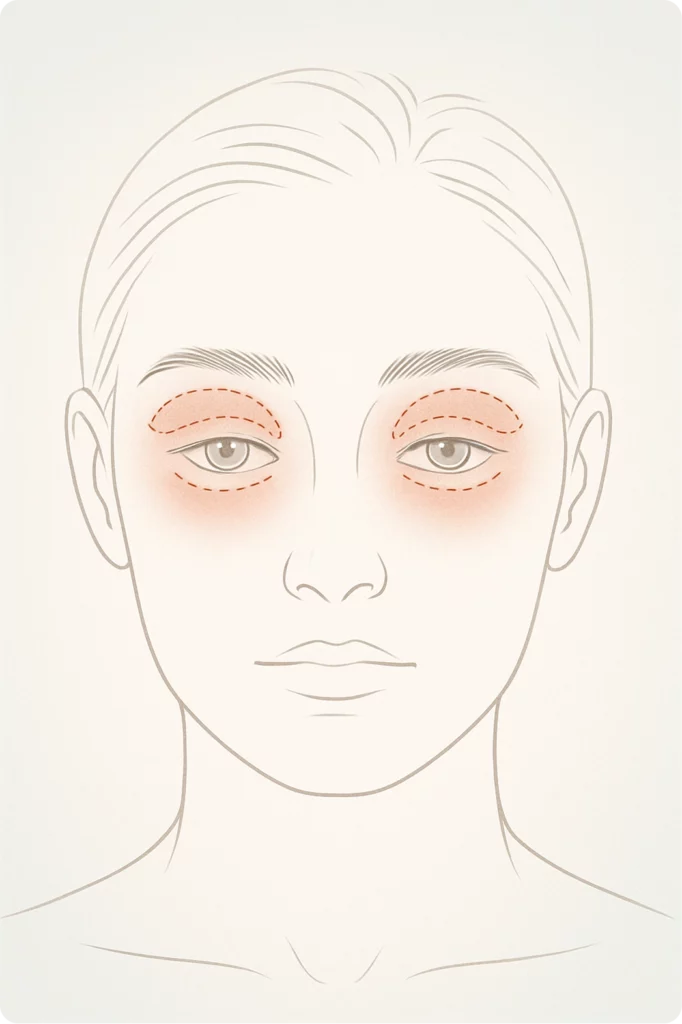
At Shumaila’s, we offer a complete pathway for treating hair loss in women, from stimulating natural regrowth to providing permanent surgical solutions. Our experts will tailor the best hair loss treatment for women based on your specific diagnosis and goals.
Excellent 4.9 out of 5


Showing our favourite reviews from Google
Arvi H
55 days agoI am doing hair loss treatment at this clinic at the moment, the girls at the clinic are very sweet and supporting especially Dr Patel who took her time to explain me everything thoroughly before my treatment. I am happy to recommend their services.
0
0
Harrow
4.8
Thizu Siriperera
65 days agoI would like to say a huge thank you to Shumaila’s Colchester for helping me restore my hair after experiencing hair loss and, most importantly, for giving me my confidence back. A very special thank you to Bhushra for her incredible support throughout the past 30 weeks. She has been such a wonderful clinician, always making sure I was comfortable during every treatment. Her knowledge and professionalism really stood out, and she took the time to explain everything thoroughly before and after each session, which made me feel completely at ease. I’d also like to thank Hera, who has been so lovely and dedicated to ensuring I achieved the best possible results from my hair regrowth treatments. Her care and encouragement have been greatly appreciated. Overall, the team are highly professional, knowledgeable, and genuinely caring. The treatment rooms are always spotless, creating a calm and welcoming environment. From start to finish, I felt I was in safe hands, and I couldn’t be happier with my results. Thank you all so much for your care, support, and dedication. I am truly grateful and would highly recommend Shumaila’s Colchester to anyone considering hair restoration treatment.
0
0
Colchester
4.9
Sara Khan
78 days agoI visited Shumailas back in 6 months and had consultation with Iqra for hair loss concerns, and the consultation was thorough and informative. She explained the possible causes of my hair thinning and recommended the most suitable treatments. After following her advice, I have noticed healthier hair and improved growth. Excellent service and care.
0
0
Harrow
4.9
Rachel Brown
87 days agoTania is the best waxing and Beautician ever never misses a single hair.
0
0
Ilford
4.8
COSMOS Williams BOABENG
94 days agoI am currently on session 3 of 6 for hair PRP treatments with Sonia, and I cannot recommend her highly enough. She is incredibly professional, reassuring, and her technique makes the procedure very comfortable. Sonia takes the time to explain the process and set realistic expectations. I feel like I am in the absolute best hands for my hair restoration journey. Thank you so much.
0
0
Hammersmith
4.8
Creations By Ayesha
97 days ago"I visited Shumaila Beauty Salon and got hair services done. The staff was professional, and the overall experience was good♥️
0
0
East Ham
4.7
Jharana Panta
109 days agoI recently had PRP treatment from Rabiya, and I’m very satisfied with the results so far. I have already started noticing many new hairs coming through, and my hair feels fuller and healthier. The whole experience was professional and reassuring. Thank you, Rabiya!
0
0
East Ham
4.7
Xavier Plowright
127 days agoGreat hair treatment and very knowledgeable staff. Really appreciated the expert maintenance advice and aftercare tips. Highly recommend.
0
0
Loughton
4.9
sasi krush
264 days agoWhat an amazing treatment experience iqra is she done my hair prp with biotin and I will must say she is amazing she explains everything and make me comfortable so I cannot feel much pain the staff and environment is good really happy with my treatment looking for the next session thank you for such an amazing experience 😀
0
0
Harrow
5.0
Joban Malhi
264 days ago⭐️⭐️⭐️⭐️⭐️ I had an excellent experience with Dr. Iqra for my hair PRP treatment. She is extremely professional, knowledgeable, and kind, which immediately made me feel comfortable and confident. She explained the entire procedure in detail, answered all my questions patiently, and ensured I was relaxed throughout the session. Her expertise and gentle approach truly stand out. The treatment was smooth, well-managed, and done with great care. I already feel positive about my progress and trust her completely with my hair treatment journey. I highly recommend Dr. Iqra to anyone considering PRP or hair-related treatments. She is an outstanding doctor who genuinely cares about her patients and delivers excellent results.
0
0
Harrow
5.0
Ali Haidar Sahil
266 days agoJust got my first session for hair treatment and iqra explain me in the details everything in detail such an emailing doctor really appreciate the way she communicate and treat the full treatment she did the injection really professionally thank you
0
0
Harrow
5.0
Emily Abbott
292 days agoThe hair laser treatment has been effective so far, and my practitioner Bushra is very kind, knowledgeable and professional- I feel in safe hands with her. The clinic is also very clean and tidy! I am happy I went here for my treatment
1
0
Colchester
5.0
Davina Whittle
305 days agoGhazala has been professional & informative throughout my PRP treatment. After 2 months of treatment there has been a notable difference in my thicking hair line and baby hair has started to grow back. I'm very pleased so far and would recommend anyone looking for a natural alternative to try PRP treatment.
0
0
Woodford Green
4.9
SAHAR KHAN
314 days agoI started going to Shimaila’s East Ham London in March 2025 after noticing my hair was thinning, and the results have been remarkable.I had great experience with DR Zunaira She's very professional and very honest with her job.She has done my hair therapy PRP and laser hair removal treatment as well.My hair is now noticeably thicker and healthier, Highly recommend.
0
0
East Ham
4.7
Sathish Munuswamy
315 days agoMy hair fall treatment Before and after: "From dull to dazzling! Hair fall stopped from 1st session Swipe to see the magic. ✨ Thank you, [Kinza. Dr], for this amazing transformation.
0
0
East Ham
4.7
Nabihia
319 days agoSmooth, painless laser session. Urooj was professional & caring. Hair growth down, skin silky. Clean clinic, friendly staff. Highly recommend – will be back!
0
0
Beehive Lane
4.8
Ad Sa
327 days agoThey have gave me really good treatment for my hair I really appreciate it
1
0
Harrow
5.0
Selvakumar Peris
335 days agoI recently did my prp biotin for my hair the lady was very gentle and experienced. The shumails Gants Hill team was fantastic .
0
0
Gants Hill
4.8
Arun Raj
350 days agoDone prp treatment , with Zunaina. Its an excellent service
0
0
East Ham
4.7
amaldev shaji
361 days agoI have completed 14 sessions of my 24 sessions laser hair treatment, and i feel like my hair growth is improving with each sessions and it become more thicker and stronger than the previous time . I feel a good friendly experience from each staff members of shumaila’s clinic, Colchester, they works very professionally. The ambiance is so nice and relaxing.
2
0
Colchester
5.0
At Shumaila’s, we understand that every double chin is unique, requiring personalised treatment approaches.
Our comprehensive range of solutions allows us to recommend the most appropriate option based on your specific concerns, lifestyle, and desired outcomes.
Non Surgical
First-Line Treatments
PRP (Platelet-Rich Plasma) Therapy
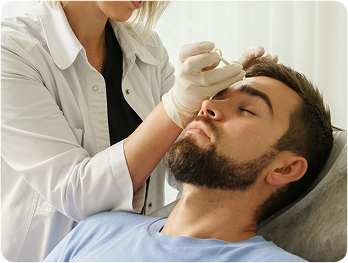
PRP therapy is a leading non-surgical treatment for hair regrowth for women. It involves drawing a small amount of your own blood, concentrating the platelets (which are rich in growth factors), and injecting this plasma into the scalp. These growth factors stimulate dormant hair follicles, improve blood flow, and encourage thicker, healthier hair growth.
Ideal for
Early-stage hair thinning, improving hair density
Results
Visible improvement over 3-6 months
Management
A course of treatments followed by annual maintenance
Mesotherapy For Hair
This treatment involves injecting a customised cocktail of vitamins, minerals, and other essential nutrients directly into the scalp’s mesoderm layer. This nourishes the hair follicles, improves circulation, and can help counteract the factors contributing to hair thinning.
Ideal for
Diffuse thinning, strengthening existing hair
Results
Gradual improvement over several sessions
Management
Requires a course of treatments for optimal results
Progressive Treatments
Advanced & Combination
Pre & Post Hair Transplant Care
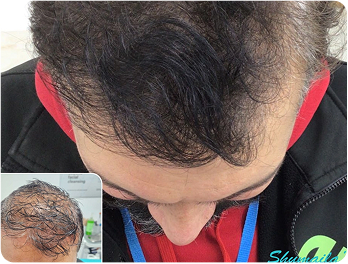
To ensure the success of a surgical hair transplant, the health of the scalp is paramount. We provide comprehensive care programs that may include PRP or Mesotherapy sessions before surgery to prepare the scalp, and after surgery to accelerate healing and nourish the newly transplanted follicles. This is a critical step for maximising the results of your investment.
Ideal for
Patients undergoing a Female Hair Transplant
Definitive Treatments
Surgical Solutions
Female Hair Transplant (FUE/FUT)
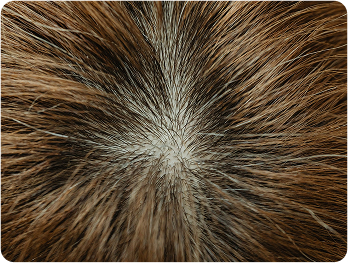
For women with more advanced hair loss, a hair transplant is the only permanent solution. Our surgeons are experts in female hair transplant techniques, which are specifically adapted to women’s needs. This involves carefully extracting healthy hair follicles from a dense donor area (usually the back of the head) and implanting them into the thinning areas, all while protecting existing hair. The goal is to increase density and restore a natural-looking fullness.
Ideal for
Significant thinning at the crown or parting, permanent results
Results
Initial growth at 3-4 months, final results at 12-18 months
Duration
Permanent
Why choose Shumaila’s
for Female Hair Loss Treatment?
Specialists in Female Hair Loss: Deep understanding of the unique causes and patterns of hair thinning in women
Full Treatment Pathway: From non-surgical PRP to definitive surgical hair restoration
9 Convenient UK Locations: Expert hair loss consultations are always accessible
Focus on Natural Density: Our goal is to create results that are undetectable and blend seamlessly with your existing hair
Frequent Asked Questions
The cost of hair loss treatment is tailored to your individual needs and the specific treatment plan recommended by our specialists. Prices can vary based on the type of treatment, the number of sessions required, and the extent of the area being treated. We provide a full, transparent quote during your comprehensive consultation, where we can discuss all available options and find a solution that works for you.
The best treatment depends entirely on the cause and extent of your hair loss. For early or diffuse thinning, PRP and Mesotherapy are excellent options to stimulate regrowth. For more significant, permanent hair loss, a Female Hair Transplant is the most effective and lasting solution. A thorough consultation is needed to create your personalised treatment plan.
In many cases, yes. Hair loss caused by temporary factors like stress or nutritional deficiencies can often be reversed by addressing the root cause. For genetic hair loss (FPHL), treatments like PRP can significantly improve density and slow progression, while a hair transplant can permanently restore hair to thinning areas.
Yes, when performed by qualified medical professionals. PRP and Mesotherapy are very safe, using your body’s own plasma or a nutrient-rich solution. A hair transplant is a surgical procedure and carries standard surgical risks, but these are minimised when performed by an experienced surgeon in a CQC-regulated facility like ours.
The techniques are adapted to female hair loss patterns. Surgeons focus on adding density to the parting line and crown, working carefully between existing long hairs. The hairline design is also different, aiming to maintain a soft, natural female hairline rather than creating a new, lower one.
Not necessarily. While traditional FUE transplants often require shaving the donor area, our surgeons are skilled in techniques that can minimise or even avoid the need for extensive shaving, allowing you to conceal the donor area with your existing hair while it heals. This is a key consideration for many of our female patients.
Request a Consultation
One of our friendly consultants will contact you to answer your questions, and to book a consultation for your chosen treatment.