

TL;DR: We tracked 6 months of Vampire Facial outcomes at Shumaila’s Clinics. Clinical data shows 78.3% improvement in periorbital wrinkles and 60.9% improvement in skin firmness. PRP therapy combined with microneedling triggers natural collagen production for gradual, long-term skin rejuvenation without synthetic fillers.
What You’ll Learn:
- Vampire Facials combine microneedling with platelet-rich plasma (PRP) from your own blood
- Results appear gradually: texture improves in 1-3 sessions, collagen density peaks at 3-6 months
- Clinical trials show 78.3% wrinkle improvement and 60.9% firmness improvement at 6 months
- Zero allergic reaction risk because the treatment uses your own cellular components
- Best results need 3 sessions spaced 4-6 weeks apart, plus maintenance treatments
What Is a Vampire Facial?
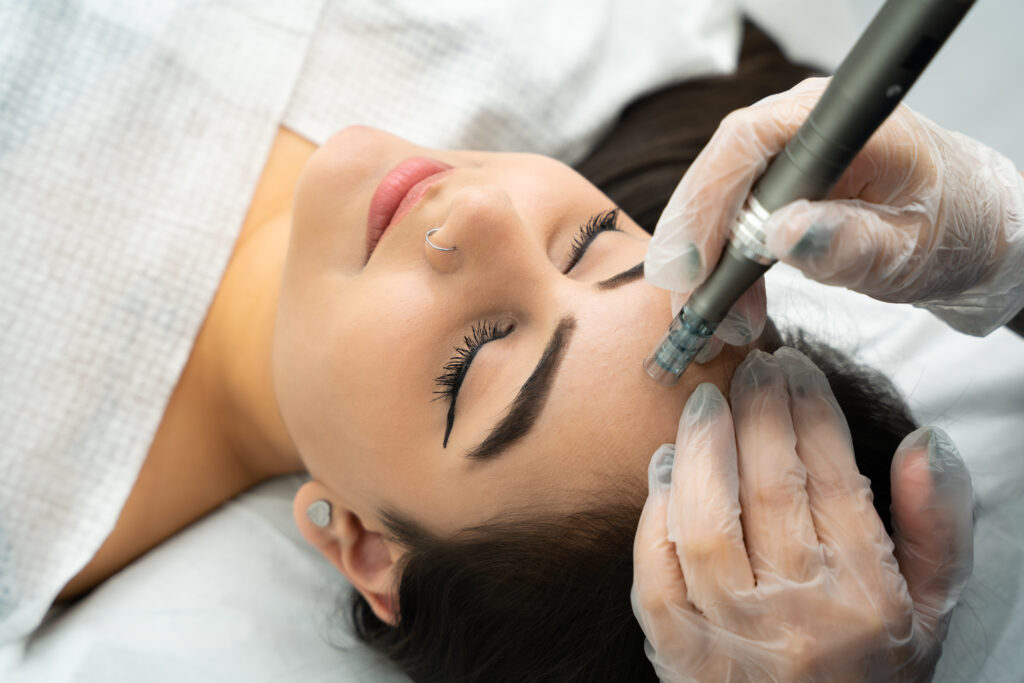
At Shumaila’s Clinics, we implemented a systematic protocol for Vampire Facial treatments. The procedure combines microneedling with platelet-rich plasma (PRP) therapy.
The treatment uses your blood, but not the way you’d expect. We extract and concentrate platelets to create a cellular signaling system from your own biology.
Bottom Line: Vampire Facials use your body’s healing factors to trigger skin repair, not synthetic ingredients.
How Does PRP Therapy Work?
PRP contains 3 to 5 times more growth factors than normal blood. When we concentrate these platelets, we’re amplifying your body’s natural healing signals.
Microneedling creates controlled micro-injuries in your skin. These aren’t random punctures. They’re calculated entry points.
Here’s what happens:
- Concentrated growth factors penetrate beyond the epidermis (where topical treatments stop)
- Your body interprets these signals as repair instructions
- Fibroblasts proliferate
- Collagen production increases
- The extracellular matrix rebuilds itself using concentrated healing proteins from your plasma
Key Insight: The treatment turns your own biology into a skin repair system by delivering concentrated healing factors below the surface.
What Results Did We See After 6 Months?

We measured outcomes across multiple facial parameters at Shumaila’s Clinics. The results aligned with broader clinical trials.
Documented improvements at 6-month follow-up:
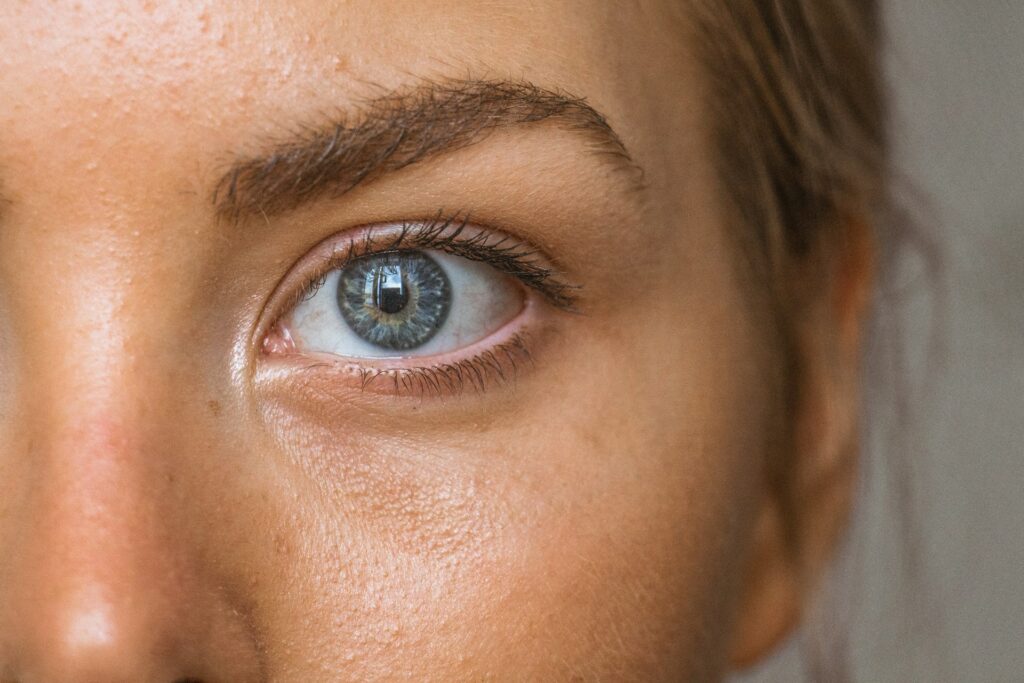
- 78.3% improvement in periorbital wrinkles (around the eyes)
- 60.9% improvement in dark circles
- 60.9% improvement in skin firmness
Patients reported changes in skin texture after 1 to 3 sessions. Pore size reduced. Pigmented spots faded.
But here’s what matters: the most significant changes appeared between months 3 and 6 as collagen density increased.
Why the timeline matters: Synthetic fillers provide immediate volume. This treatment activates a biological process that unfolds over months.
Core Finding: PRP therapy produces gradual results that peak at 3-6 months, unlike instant-but-temporary fillers.
Why Is Using Your Own Blood Better?
Because we’re using your own blood, allergic reactions don’t occur. There’s no rejection risk. No foreign substances requiring compatibility testing.
This makes PRP therapy valuable for patients who’ve experienced:
- Sensitivity to other aesthetic treatments
- Allergic reactions to topical products
- Concerns about synthetic fillers
The safety profile reflects a simple biological reality: your body recognizes its own cellular components.
Safety Note: Autologous treatments (using your own tissue) eliminate rejection and allergic reaction risks.
Who Gets the Best Results?

We conduct thorough consultations before treatment. Not every patient achieves identical results.
Factors that influence outcomes:
- Skin thickness
- Age
- Lifestyle factors (smoking, sun exposure, hydration)
- Baseline collagen levels
The treatment works best for patients seeking gradual, natural-looking improvements. If you’re looking for dramatic overnight changes, this isn’t the right approach.
We’re amplifying your existing healing capacity, not replacing the process with synthetic alternatives.
Patient Selection: Best outcomes happen when expectations align with the biological timeline (3-6 months for full results).
What Does the Research Say?
The data from our clinic mirrors the broader scientific consensus. PRP monotherapy demonstrates consistent efficacy for facial skin rejuvenation with high patient satisfaction rates across multiple studies.
What we’ve learned: patience produces better outcomes than aggressive intervention.
Our protocol:
- 3 sessions spaced 4 to 6 weeks apart
- Maintenance treatments as needed
- Creates sustainable improvement
The results show up through measurable changes in skin quality, not temporary volume enhancement.
Evidence Summary: Multiple clinical studies confirm PRP’s efficacy for natural facial rejuvenation with high safety and satisfaction rates.
Frequently Asked Questions
How long do Vampire Facial results last?
Results peak at 3 to 6 months and continue improving as collagen production increases. Maintenance treatments every 6 to 12 months help sustain improvements. Because you’re building new collagen (not adding temporary fillers), results last longer than synthetic options.
Does a Vampire Facial hurt?
We apply topical numbing cream before treatment. Most patients describe the sensation as mild discomfort or pressure during microneedling. The procedure takes 60 to 90 minutes, including prep time.
How soon will I see changes after treatment?
Texture improvements appear after 1 to 3 sessions. Full collagen remodeling takes 3 to 6 months. You’ll see gradual changes, not overnight transformation. This reflects the biological timeline of collagen synthesis.
What’s the difference between PRP and dermal fillers?
Dermal fillers add synthetic volume immediately but degrade over 6 to 18 months. PRP triggers your body to produce new collagen naturally. Fillers give instant results. PRP gives long-term tissue improvement through your own healing process.
Are there side effects or downtime?
Expect redness and mild swelling for 24 to 48 hours. Some patients see minor bruising. You’ll need to avoid sun exposure and heavy exercise for 24 hours. Most people return to normal activities the next day.
Who shouldn’t get a Vampire Facial?
We don’t recommend PRP therapy if you have active skin infections, blood disorders, or take blood-thinning medications. Pregnant or nursing women should wait. We assess medical history during consultation to confirm you’re a good candidate.
How much does PRP facial treatment cost?
Pricing varies based on treatment area and number of sessions. Because this treatment uses your own blood and requires medical-grade equipment, costs run higher than standard facials. We discuss pricing during consultation and create a treatment plan for your goals.
Does insurance cover Vampire Facials?
No. Insurance classifies PRP for facial rejuvenation as a cosmetic procedure. Insurance doesn’t cover cosmetic treatments. Payment is out-of-pocket or through financing options some clinics offer.
Key Takeaways
- Vampire Facials combine microneedling with concentrated platelet-rich plasma from your own blood, eliminating allergic reaction risks
- Clinical data shows 78.3% improvement in wrinkles and 60.9% improvement in skin firmness at 6 months
- Results develop gradually as your body produces new collagen, peaking between months 3 and 6
- Three sessions spaced 4 to 6 weeks apart produce optimal outcomes, with maintenance treatments sustaining results
- PRP therapy works best for patients seeking natural, long-term skin quality improvements over quick fixes
- Because the treatment uses your own cellular components, there’s no rejection risk or need for compatibility testing
- The approach activates your body’s healing capacity rather than relying on synthetic fillers that provide temporary volume