


TL;DR: Blepharoplasty (eyelid lift surgery) addresses sagging upper eyelids, under-eye bags, and puffiness through surgical removal or repositioning of excess skin and fat. Results last 10-15 years. Recovery takes 7-10 days for work, 2-3 weeks for visible bruising to resolve, and 3-6 months for final results. When choosing a London surgeon, prioritise GMC registration, oculoplastic specialisation, natural-looking before-and-after portfolios, and comprehensive aftercare protocols.
Upper blepharoplasty removes excess skin and fat from upper lids, improving both appearance and vision when sagging affects the visual field.
Lower blepharoplasty addresses under-eye bags and puffiness through fat removal, repositioning, or skin tightening.
Consultation essentials include evaluating surgeon qualifications, reviewing case portfolios similar to your concerns, and confirming detailed aftercare support.
Recovery timeline spans 7-10 days before returning to work, with final results visible at 3-6 months post-surgery.
Non-surgical alternatives exist but only address mild skin laxity, not significant excess tissue or fat deposits.
Here’s what matters when you’re ready to book your eyelid lift consultation in London.
What Is Blepharoplasty?
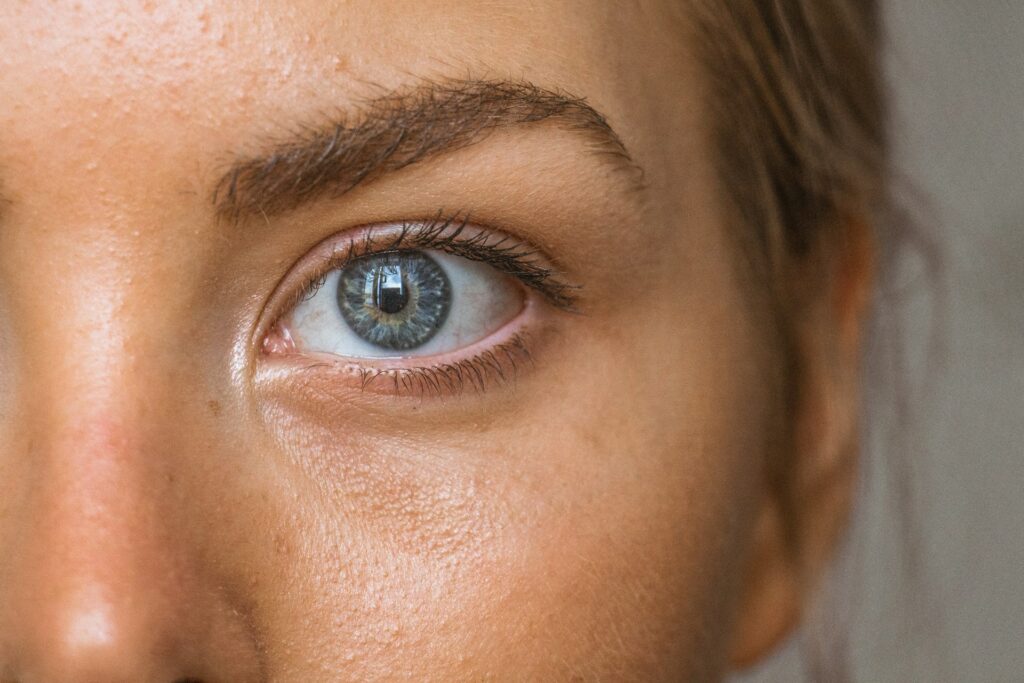
Blepharoplasty targets specific concerns around the periorbital region. You choose upper eyelids, lower eyelids, or both in a single procedure.
Upper blepharoplasty removes excess skin and fat from the upper lid. This opens the eye area and improves peripheral vision if sagging skin has become functionally problematic.
Lower blepharoplasty addresses under-eye bags, puffiness, and skin laxity. The approach depends on whether you need fat removal, repositioning, or skin tightening.
I assess your orbital anatomy, skin elasticity, and fat distribution during consultation. This determines which approach delivers optimal results for your specific concerns.
Core insight: Upper blepharoplasty improves both aesthetics and function when sagging skin restricts peripheral vision. Lower blepharoplasty requires different techniques based on whether fat needs removal or repositioning.
How to Choose a Surgeon in London
You’re past the research phase. You’re evaluating clinics and surgeons.
Here’s what to prioritise:
1. Surgeon qualifications and specialisation
Look for GMC registration, relevant certifications, and specific experience in oculoplastic or facial aesthetic surgery. General cosmetic surgeons perform blepharoplasty, but specialists understand the complex anatomy around the eyes.
2. Before-and-after portfolios
Review multiple cases similar to your concerns. Pay attention to natural-looking results rather than overdone corrections. Symmetry, scar visibility, and overall aesthetic balance indicate surgical skill.
3. Consultation depth
A thorough assessment includes medical history, examination of your eyelid structure, discussion of realistic outcomes, and clear explanation of techniques. You should leave understanding exactly what will occur and why.
4. Aftercare protocols
Recovery support matters. Ask about post-operative appointments, emergency contact procedures, and what specific aftercare the clinic provides.
Core insight: Oculoplastic specialists bring anatomical expertise that general cosmetic surgeons lack. Natural-looking portfolios and detailed consultations separate experienced surgeons from novices.
What Surgical Techniques Are Used?
Traditional Blepharoplasty
Traditional blepharoplasty uses precise incisions placed in the natural eyelid crease (upper lid) or just below the lash line (lower lid). This allows removal of excess skin and fat whilst minimising visible scarring.
The incisions heal along natural anatomical lines. Scars become barely perceptible within months for most patients.
Transconjunctival Approach
Transconjunctival approach for lower lids involves incisions inside the eyelid when you only need fat repositioning without skin removal. This leaves no external scars.
Fat Preservation vs Fat Removal
Fat preservation techniques have evolved. Rather than simply removing orbital fat, surgeons now often reposition it to fill hollow areas. This creates a more youthful contour without the hollowed appearance that aggressive fat removal causes.
Non-Surgical Alternatives
Non-surgical alternatives exist. Laser treatments, radiofrequency devices, or injectable therapies work for mild skin laxity but cannot address significant excess tissue or fat deposits. Your consultation should clarify whether you’re a candidate for non-surgical options or whether surgery delivers the results you’re after.
Core insight: Modern blepharoplasty favours fat repositioning over aggressive removal to prevent hollowing. Transconjunctival approaches eliminate external scars when appropriate. Non-surgical options have limited efficacy for moderate to severe concerns.
What Is the Recovery Timeline?
You’ll experience swelling and bruising. This peaks around day three and gradually resolves over two to three weeks.
Most people return to work within 7-10 days. You use makeup to conceal residual bruising once incisions have healed sufficiently.
Initial results appear within weeks. Final results take 3-6 months as swelling fully resolves and tissues settle into their new position.
How Long Do Results Last?
Blepharoplasty delivers long-lasting results. The skin and fat removed will not return. Natural ageing continues, but results typically last 10-15 years, sometimes longer.
Core insight: Peak swelling occurs at day three. Work resumption happens at 7-10 days. Final aesthetic outcome requires 3-6 months. Results endure 10-15 years before natural ageing becomes noticeable again.
Why Choose London for Your Procedure?
Choosing a clinic in London or surrounding areas offers advantages. You access experienced surgeons, established facilities, and convenient follow-up care.
Consider travel time for multiple appointments. You’ll need an initial consultation, the procedure itself, and several follow-up visits. Selecting a location that’s practically accessible reduces stress during recovery.
Some clients prefer clinics in central London for reputation and specialist concentration. Others choose practices in surrounding areas for easier parking and a quieter environment.
Core insight: London provides access to highly specialised oculoplastic surgeons. Practical accessibility for multiple appointments matters as much as surgeon reputation when selecting your clinic location.
How to Make Your Final Decision
This decision matters. Eyelid surgery changes how you look and often how you feel about your appearance.
Book consultations with at least two surgeons. Compare their approaches, communication styles, and the confidence you feel in their expertise.
Ask questions. A good surgeon welcomes detailed discussion about techniques, risks, expected outcomes, and alternatives.
For comprehensive information about the procedure, techniques, and what you expect, visit the eyelid lift page. You’ll find detailed insights to support your decision-making process.
When you’ve found the right surgeon and feel ready, booking your consultation moves you from research to action. You’ll receive a personalised assessment and clear next steps.
The right eyelid lift delivers natural-looking rejuvenation that aligns with your facial structure. Take your time choosing who performs your procedure. The decision shapes your results.
Core insight: Consult at least two surgeons before deciding. Direct comparison reveals differences in approach, communication, and expertise that influence your final choice.
Frequently Asked Questions
What age is best for eyelid lift surgery?
Most patients undergo blepharoplasty between ages 35-65, but suitability depends on anatomical concerns rather than age alone. I assess skin elasticity, fat distribution, and functional impact during consultation to determine appropriate timing.
Does blepharoplasty improve vision?
Upper blepharoplasty improves peripheral vision when excess skin droops into the visual field. This functional benefit often qualifies as medical necessity rather than purely cosmetic intervention.
Will I have visible scars after eyelid surgery?
Incisions follow natural eyelid creases (upper lids) or sit just below lash lines (lower lids). Scars heal along anatomical lines and become barely perceptible within 3-6 months. Transconjunctival approaches for lower lids leave no external scars.
How painful is blepharoplasty recovery?
Most patients report discomfort rather than pain. Swelling and tightness dominate the first week. Prescription or over-the-counter pain relief manages any discomfort adequately.
When do I look normal after eyelid surgery?
You appear presentable with makeup at 10-14 days. Residual swelling becomes unnoticeable to others at 3-4 weeks. Final settling takes 3-6 months, though you look natural well before then.
Does insurance cover eyelid lift surgery in the UK?
Private insurance rarely covers blepharoplasty unless upper eyelid sagging demonstrably impairs vision. Documentation of visual field restriction is required. Purely aesthetic concerns remain self-funded.
How much does blepharoplasty cost in London?
London blepharoplasty costs range from £3,000-£6,000 depending on whether you’re addressing upper lids, lower lids, or both. Surgeon experience, facility standards, and included aftercare affect pricing.
When do I resume exercise after eyelid surgery?
Light walking resumes immediately. Moderate exercise returns at 2 weeks. Strenuous activity, heavy lifting, and high-impact exercise wait until 4-6 weeks post-surgery to prevent complications.
Key Takeaways
- Blepharoplasty addresses upper eyelid sagging, lower eyelid bags, and puffiness through surgical removal or repositioning of excess skin and fat, with results lasting 10-15 years.
- Prioritise surgeons with GMC registration, oculoplastic specialisation, natural-looking portfolios, and comprehensive aftercare when selecting your London clinic.
- Modern fat preservation techniques create more natural results than aggressive fat removal, which causes hollowing.
- Recovery requires 7-10 days before work resumption, 2-3 weeks for visible bruising to resolve, and 3-6 months for final aesthetic results.
- Upper blepharoplasty provides functional vision improvement when sagging skin restricts the visual field, sometimes qualifying for medical necessity coverage.
- Consult at least two surgeons to compare approaches, communication styles, and expertise before making your final decision.
- Non-surgical alternatives address only mild skin laxity and cannot correct significant excess tissue or fat deposits that surgical blepharoplasty resolves.