

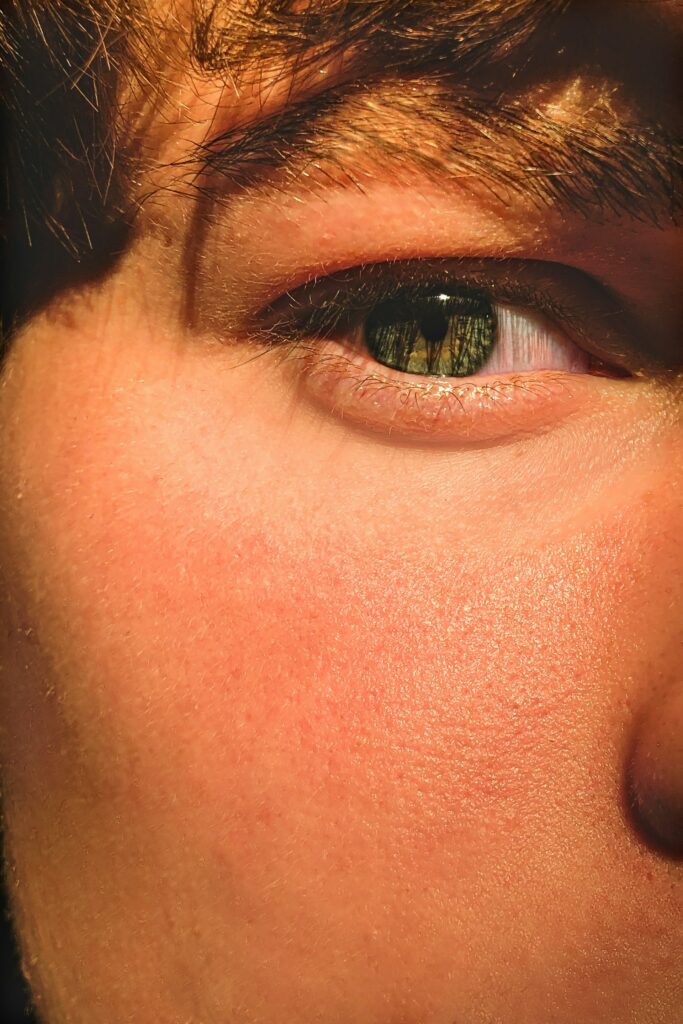
Hyperpigmentation is one of the most common skin concerns seen in clinics, yet it is also one of the most misunderstood. It refers to areas of skin that become darker than the surrounding skin due to excess melanin production. These dark patches can appear gradually or suddenly, remain subtle or become very noticeable, and affect people of all ages and skin tones.
In cities like London, hyperpigmentation is especially common. Daily exposure to pollution, intermittent sun exposure, hormonal changes, and the widespread use of active skincare products all contribute to uneven pigmentation. Many people attempt to treat dark spots at home without understanding the type of pigmentation they are dealing with, which often leads to frustration, wasted time, and in some cases, worsening of the condition.
Not all hyperpigmentation is the same. Conditions such as melasma, post inflammatory hyperpigmentation, and age spots may look similar on the surface but behave very differently beneath the skin. Each type has distinct triggers, responds to different treatments, and carries different risks if treated incorrectly. This is why a treatment that works for one person may fail completely for another.
Skin tone also plays an important role. Skin that naturally produces more melanin is more prone to pigmentation issues, particularly after inflammation or injury. At the same time, it requires more careful treatment, as overly aggressive procedures can trigger further pigmentation rather than resolve it.
This guide explains hyperpigmentation clearly and honestly. It breaks down the main types of pigmentation, why they occur, which treatments are most effective, and what does not work. The aim is to support safe, personalised treatment decisions that improve skin tone without compromising skin health.
What Causes Hyperpigmentation
Hyperpigmentation occurs when the skin produces excess melanin, the pigment responsible for skin colour. Melanin is created by specialised cells called melanocytes. When these cells are overstimulated or disrupted, pigment can be produced unevenly, leading to dark patches or spots.
There is rarely a single cause. Hyperpigmentation usually develops due to a combination of internal and external factors.
Sun exposure is the most common trigger. Ultraviolet radiation stimulates melanocytes as a protective response. Even short periods of sun exposure can worsen existing pigmentation, particularly in the UK where UV intensity is often underestimated due to cloud cover. Intermittent sun exposure, such as during holidays or warmer months, can trigger flare ups of pigmentation.
Hormonal changes play a significant role in certain types of hyperpigmentation, particularly melasma. Pregnancy, oral contraceptives, hormone replacement therapy, and hormonal imbalances can all stimulate excess pigment production. Hormonal pigmentation is often deeper in the skin and more resistant to treatment.
Inflammation and skin trauma are key causes of post inflammatory hyperpigmentation. Acne, eczema, allergic reactions, burns, insect bites, and poorly managed cosmetic treatments can all leave behind dark marks. Picking the skin or over exfoliating significantly increases this risk.
Genetics also influence how reactive melanocytes are. Some people are naturally more prone to pigmentation due to higher baseline melanin activity. Environmental factors such as pollution and oxidative stress, particularly in urban areas like London, can further contribute to uneven pigmentation by weakening the skin barrier.
Incorrect skincare use is an increasingly common trigger. Overuse of acids, retinoids, or harsh exfoliants can inflame the skin and stimulate pigment production rather than reduce it.
Types of Hyperpigmentation
Although hyperpigmentation appears as darkened areas on the skin, it is not a single condition. Correctly identifying the type of pigmentation is essential for effective treatment.
Melasma is a chronic form of hyperpigmentation characterised by symmetrical brown or grey brown patches, most commonly on the cheeks, forehead, nose, and upper lip. It is primarily driven by hormonal factors, with sun exposure worsening the condition. Melasma often sits deeper in the skin and is prone to recurrence, which means it requires long term management rather than quick fixes.
Post inflammatory hyperpigmentation occurs after the skin experiences inflammation or injury. It appears as flat dark marks where the skin has healed and is more common in medium to dark skin tones. While it can fade naturally, this process is slow and may take many months without treatment.
Age spots, also known as sun spots, develop due to cumulative sun exposure over time. They are usually well defined, superficial, and stable once they appear. Age spots commonly affect the face, hands, chest, and shoulders and often respond well to targeted treatments.
Many people experience mixed pigmentation, where more than one type is present. Treating all pigmentation as the same often leads to poor results and increased risk of rebound pigmentation.
How Hyperpigmentation Differs by Skin Tone
Hyperpigmentation behaves differently depending on skin tone. Melanin rich skin has more active melanocytes, which increases the risk of pigmentation following inflammation or heat exposure.
Medium to dark skin tones are more prone to post inflammatory hyperpigmentation, even after mild irritation. Treatments must therefore prioritise barrier repair and controlled pigment suppression rather than aggressive correction.
Heat based treatments, strong chemical peels, and incorrect laser use can overstimulate melanocytes and worsen pigmentation if skin tone is not properly considered. One size fits all treatments often fail because they do not account for these differences.
Professional assessment is especially important for melanin rich skin. With the right expertise, hyperpigmentation can be treated safely and effectively across all skin tones.
Best Hyperpigmentation Treatments by Type
Effective treatment depends on matching the treatment approach to the pigmentation type and depth.
Melasma treatment focuses on controlling pigment production and preventing triggers. Prescription topical treatments, carefully selected chemical peels, and strict sun protection are central to management. Laser treatments may be used in select cases but are not suitable for everyone. Melasma requires ongoing maintenance rather than permanent removal.
Post inflammatory hyperpigmentation is often highly responsive to treatment when managed correctly. Topical brightening agents, professional chemical peels, microneedling, and carefully adjusted laser treatments can all help fade pigment gradually. Addressing the original cause of inflammation is essential to prevent recurrence.
Age spots and sun damage often respond well to targeted laser treatments and chemical peels due to their superficial nature. Any pigmented lesion that changes in appearance should always be assessed before cosmetic treatment.
Many patients benefit from combination treatment plans, particularly when multiple pigmentation types are present. Personalised plans reduce the risk of rebound pigmentation and deliver more even, natural results.
What Does Not Work for Hyperpigmentation
Many over the counter brightening products are too weak to treat established pigmentation. Some only provide temporary improvement by dehydrating the skin rather than addressing pigment production.
DIY remedies such as lemon juice or undiluted acids damage the skin barrier and cause inflammation, often worsening pigmentation. Aggressive exfoliation has a similar effect and should be avoided.
Generic laser treatments that do not account for skin tone or pigment depth can cause rebound pigmentation. Treating pigmentation without consistent sun protection will almost always lead to treatment failure.
How Long Hyperpigmentation Treatment Takes
Hyperpigmentation improves gradually. Melasma typically takes several months to improve and requires maintenance. Post inflammatory hyperpigmentation often fades faster, with visible improvement over weeks to months. Age spots may respond more quickly to targeted treatments.
Consistency matters more than intensity. Gentle, regular treatment combined with daily sun protection produces better long term outcomes than aggressive short term approaches.
Hyperpigmentation Treatment in London
In a diverse city like London, personalised assessment is essential. Treating pigmentation without understanding its cause increases the risk of worsening the condition.
Professional consultation allows for accurate identification of pigmentation type, depth, and skin reactivity. Experience with diverse skin tones is particularly important to ensure treatments are safe and effective.
Custom treatment plans deliver better results than generic packages by allowing treatments to be adjusted over time based on skin response.
Frequently Asked Questions About Hyperpigmentation
Can hyperpigmentation be cured permanently
Some types, such as age spots, can often be removed effectively. Others, like melasma, require ongoing management rather than permanent cure.
Is laser treatment safe for darker skin tones
Laser treatment can be safe when the correct technology and settings are used by experienced professionals.
Does hyperpigmentation always come back
Pigmentation can return if triggers such as sun exposure, hormones, or inflammation are not managed.
Can skincare products make dark spots worse
Yes. Harsh or unsuitable products can damage the skin barrier and trigger further pigmentation.
When should professional advice be sought
If pigmentation is persistent, worsening, or affecting confidence, professional assessment is recommended.
Next Steps
Understanding your skin is the first step in treating hyperpigmentation safely and effectively. Identifying the type of pigmentation and its triggers allows for a personalised approach that protects skin health while improving tone.
A professional consultation helps avoid trial and error and sets realistic expectations. If you are considering hyperpigmentation treatment in London, booking a consultation at Shumaila’s allows your skin to be assessed properly and a tailored treatment plan to be created.