

TL;DR: After 5,000 skin tag removals at Shumaila’s Clinics, we found strong links between skin tags and metabolic health conditions. NHS won’t cover removal because it’s cosmetic. Three methods work: cryotherapy, electrocautery, and surgical excision. Home removal causes infections and scarring. Professional removal is safe, quick, and prevents complications.
Quick Answer:
- 50-60% of adults develop skin tags, often linked to diabetes, obesity, or metabolic syndrome
- NHS doesn’t cover skin tag removal (classified as cosmetic)
- Three safe removal methods: cryotherapy (small tags), electrocautery (medium tags), surgical excision (large tags)
- Recovery takes 5-14 days depending on method
- Home removal kits cause infections and scarring
We’ve removed over 5,000 skin tags across London, Greater London, and Essex in the past three years at Shumaila’s Clinics.
The patterns tell a different story than what most people expect.
Here’s what the data shows and what it means for you.
How Common Are Skin Tags?
50 to 60% of adults will develop at least one skin tag in their lifetime. By your fifth or sixth decade, the number jumps to close to two-thirds.
We knew skin tags were common. We didn’t know they were this common.
But here’s what caught our attention: the link between skin tags and health conditions appeared far more often than we expected.
Patients with multiple skin tags often showed markers for metabolic syndrome, diabetes, or obesity.
The medical literature backs this up. Acrochordons (the medical term for skin tags) occur more commonly in people with these conditions.
We started asking different questions during consultations because of this pattern.
Bottom line: Skin tags aren’t random. They often signal something deeper about your health.
Why the NHS Won’t Remove Your Skin Tags
Every week, patients tell us the same story.
They visited their GP. The GP confirmed it was a skin tag. Then came the letdown.
The NHS classifies skin tag removal as cosmetic surgery. You won’t get it covered.
Patients get stuck. They know what they need but have no access through public healthcare.
So people turn to Google. They find home removal kits. They watch YouTube tutorials. They try dental floss, nail clippers, or over-the-counter freezing products.
We’ve treated the complications from these attempts:
- Infections
- Scarring
- Incomplete removal
- Excessive bleeding
The U.S. Food and Drug Administration warns people NOT to use over-the-counter skin tag removal products because of the harm they cause.
The UK doesn’t regulate these products as strictly, but the risks don’t change.
What this means for you: Home removal is risky. Professional removal is safer and faster.
What Are the Best Skin Tag Removal Methods?

We tested three removal methods across our patient base:
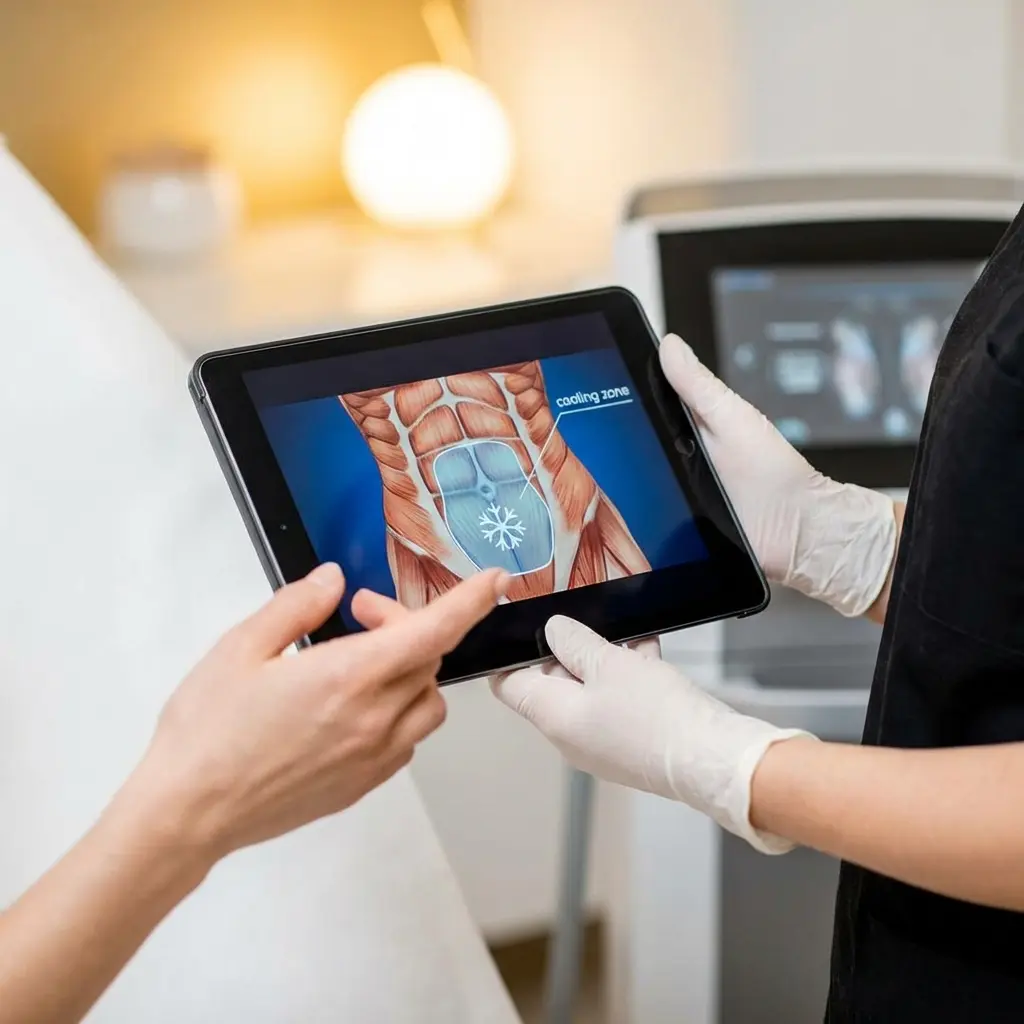
Cryotherapy (freezing)
- Electrocautery (burning)
- Surgical excision (cutting)
Cryotherapy: Best for Small Skin Tags
Cryotherapy worked best for smaller tags under 3mm.
Recovery time averaged 7-10 days.
Scarring was minimal when performed correctly.
Electrocautery: Best for Medium Skin Tags
Electrocautery handled medium-sized tags (3-5mm) most effectively.
Patients reported slight discomfort during the procedure.
Healing was faster, usually 5-7 days.
Surgical Excision: Best for Large Skin Tags
Surgical excision was necessary for larger tags or those in sensitive areas.
It required more precision but offered the cleanest removal with the lowest recurrence rate.
See before-and-after photos from our actual patients to understand what results you’ll get from each method.
Do Skin Tags Come Back After Removal?
Once a skin tag is removed, it won’t usually return.
New ones develop in different locations.
The method matters less than the execution. The sterile environment, proper technique, and post-procedure care matter more.
You’ll find more detailed information about each technique and our clinical results on our skin tag removal page.
Key insight: All three methods work when done properly. Your skin tag size determines the best option.
What Do Skin Tags Tell You About Your Health?

Patients who came in for skin tag removal often needed other services within 12 months.
Why?
Skin tags don’t exist in isolation. They’re often part of something bigger:
- Hormonal changes
- Weight fluctuations
- Aging skin
- Metabolic shifts
We started offering comprehensive skin assessments during consultations. Not to upsell services, but because we kept seeing patterns.
Real Example: Catching Early Warning Signs
One patient came in for a single skin tag removal on her neck.
During the assessment, we identified early signs of acanthosis nigricans, a skin condition linked to insulin resistance.
We referred her to her GP.
She later thanked us for catching something before it developed into type 2 diabetes.
This happens more often than you’d think.
What this means for you: A skin tag consultation is also a health screening.
How to Choose a Skin Tag Removal Clinic in London
The cosmetic dermatology market in the UK is expected to surpass £3 billion by 2025.
Non-surgical treatments are driving most of that growth.
People want minimally invasive procedures with short recovery times. Walk in during lunch, return to work the same afternoon.
Skin tag removal fits this demand.
But the market is getting crowded. Clinics are opening across London, Greater London, and Essex. Quality varies wildly.
What Goes Wrong at Other Clinics
We’ve treated patients who had botched removals elsewhere.
The common thread?
- Rushed procedures
- Outdated equipment
- No proper assessment of skin type and health history
Your dermatologist should quickly and safely remove one or more skin tags during an office visit, usually without follow-up.
But “quickly” shouldn’t mean “carelessly.”
Browse our case studies and before-and-after gallery to see the difference proper technique makes.
Reality check: The consultation should take longer than the procedure.
What Should You Know Before Getting Skin Tags Removed?
After 5,000 removals, here’s our advice:
Don’t Wait
Skin tags rarely resolve on their own. They often grow larger or multiply.
Don’t Try Home Removal
The infection risk isn’t worth the £15 you’ll save on a freezing kit.
Ask About Underlying Causes
If you’re developing multiple skin tags, investigate why.
Choose a Clinic That Does Proper Assessments
The consultation should take longer than the procedure.
Understand the Recovery Process
Most patients heal within 7-14 days. Proper aftercare makes a significant difference.
Our standard: We take time to understand your health before we touch your skin.
How to Get Started with Skin Tag Removal in London
If you’re in London, Greater London, or Essex and considering skin tag removal, you’re not alone.
The prevalence data shows this is one of the most common reasons people seek cosmetic dermatology services.
The decision isn’t about aesthetics alone. It’s about safety, proper medical assessment, and understanding what your skin is telling you about your health.
We’ve built our practice around one principle: treat the patient, not the skin tag.
This means:
- Taking time during consultations
- Using proper sterile technique
- Providing clear aftercare instructions
- Being honest about what you’ll experience
The data we’ve collected over 5,000 procedures has shaped how we approach every new patient. We’ve learned what works, what doesn’t work, and what warning signs to watch for.
If you’re ready to have your skin tags assessed and removed safely, we’re here.
Book a consultation with Shumaila’s Clinics today. We’ll assess your skin tags, discuss the best removal method for your situation, and answer every question you have. Visit our page to view detailed before-and-after photos, learn more about our procedures, and schedule your appointment.
No pressure. No upselling. Honest medical advice based on thousands of successful procedures.
Frequently Asked Questions About Skin Tag Removal
Are skin tags dangerous?
No, skin tags are benign growths. They aren’t cancerous and won’t become cancerous. But multiple skin tags often signal underlying health conditions like diabetes or metabolic syndrome.
How much does skin tag removal cost in London?
Costs vary by clinic and removal method. Since NHS doesn’t cover cosmetic procedures, you’ll pay privately. Professional removal prevents complications that home kits cause.
Does skin tag removal hurt?
Most patients report minimal discomfort. Electrocautery causes slight pain during the procedure. Cryotherapy and surgical excision are typically performed with local anesthetic.
How long does recovery take after skin tag removal?
Recovery depends on the method used. Cryotherapy takes 7-10 days. Electrocautery takes 5-7 days. Surgical excision varies based on size and location.
Will my skin tag grow back after removal?
The removed skin tag won’t return. New ones develop in different locations, especially if underlying health factors aren’t addressed.
When should I see a doctor about a skin tag?
See a doctor if the skin tag changes color, bleeds, grows quickly, or becomes painful. Also consult if you’re developing multiple skin tags suddenly.
Can I remove skin tags at home safely?
No. Home removal causes infections, scarring, excessive bleeding, and incomplete removal. The U.S. Food and Drug Administration warns against over-the-counter removal products.
What’s the best method for removing skin tags?
The best method depends on skin tag size. Cryotherapy works for small tags (under 3mm). Electrocautery works for medium tags (3-5mm). Surgical excision works for large tags.
Key Takeaways
- 50-60% of adults develop skin tags, with higher rates linked to metabolic conditions like diabetes and obesity
- NHS classifies skin tag removal as cosmetic, leaving patients to seek private treatment
- Three professional methods work safely: cryotherapy, electrocautery, and surgical excision
- Home removal kits cause infections, scarring, and complications. The FDA warns against them
- Multiple skin tags often signal underlying health issues worth investigating
- Professional removal is quick (office visit), safe, and prevents recurrence of the same tag
- Quality varies wildly across London clinics. Choose providers who do thorough assessments