

TL;DR: Age spots develop from daily UV exposure in the UK, even on cloudy days. Over 90% of UV rays penetrate clouds. Laser and IPL treatments clear age spots in 1-3 sessions with 15-30 minute appointments. Prevention requires daily SPF 30+ sunscreen from mid-March through mid-October. London and Essex residents face higher risk because the South East receives 1,670 hours of annual sunshine, the highest UV exposure in the UK.
Quick Answer:
- Age spots result from cumulative UV exposure, not just beach vacations
- Laser and IPL treatments show visible improvement after one session
- Treatment takes 15-30 minutes with complete clearance in 4-8 weeks
- Daily sunscreen prevents new spots because UV damage happens year-round in the UK
- Younger clients (30s-40s) now develop age spots earlier than previous generations
We see age spots every day in our clinic. They show up on hands, faces, and décolletage.
Most clients thought they’d been careful about sun protection.
The truth is more complicated.
After years of treating clients across London and Essex, we’ve identified patterns about age spots. This article shares what we’ve learned about prevention, treatment effectiveness, and the specific risks facing people in our region. Learn more about our specialized age spot treatments.
Why Do Age Spots Form on Cloudy UK Days?

Over 90% of UV rays pass through clouds.
You’re getting sun damage on overcast days. On cold days. On days when you wouldn’t dream of applying sunscreen.
The sun in the UK is strong enough to cause damage between mid-March and mid-October, regardless of weather conditions. Cancer Research UK confirms this data.
We see the evidence in every consultation.
Age spots don’t appear because you spent too much time on Mediterranean beaches. They appear because you underestimated your daily exposure in Essex.
Bottom line: Cloud cover doesn’t protect your skin from UV damage. Daily exposure accumulates over time, causing age spots to form even when you think you’re safe.
How Common Are Age Spots in the UK?
Over 23% of UK residents aged 60 and above have actinic keratosis. These are sun-related skin lesions that indicate significant UV damage.
Age spots follow the same pattern.
What matters more: younger clients are developing age spots faster than previous generations.
We’re treating clients in their 30s and 40s who show sun damage that used to appear in their 50s and 60s. The acceleration suggests changing behavior patterns around sun protection.
The South East region receives the highest UV exposure in the UK. London and Essex average 1,670 hours of sunshine annually.
Your location puts you at higher risk than most of the country.
The takeaway: Age spots are appearing earlier in younger generations because of increased UV exposure. South East residents face the highest risk in the UK.
What Treatments Work for Age Spots?
We’ve tested multiple approaches. Some deliver results. Others waste time and money.
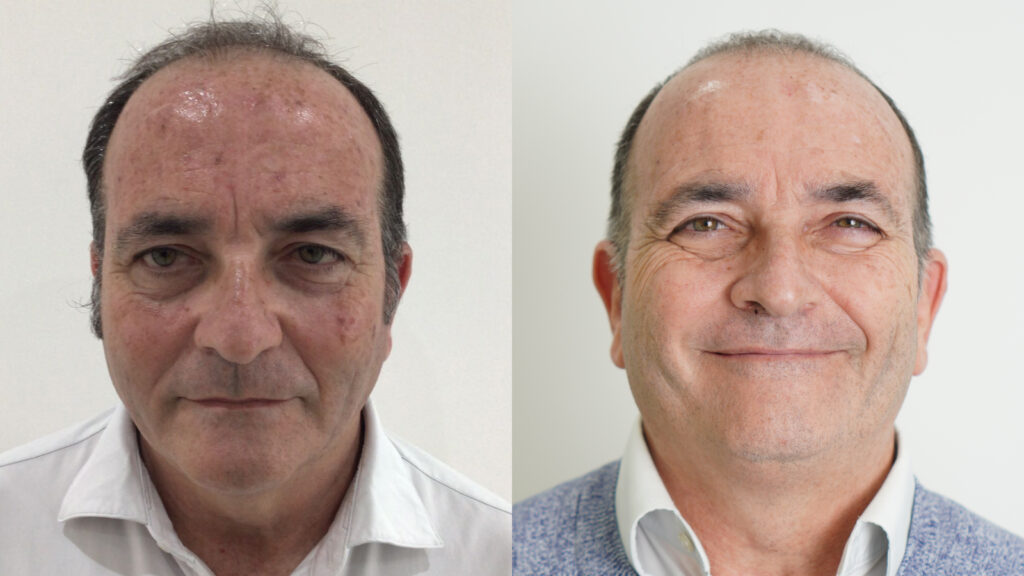
Laser and IPL treatments provide visible improvement after a single session for age spots, liver spots, and benign lentigos.
Treatment takes 15-30 minutes with minimal downtime.
Clinical studies show average clearance ratings of 3.8 out of 5. Patient satisfaction ranges from 2.9 to 3 on a 5-point scale for Q-switched laser treatments.
Picosecond lasers deliver faster recovery times and fewer complications. Research shows these devices offer measurable improvements over traditional methods for pigmented lesion treatment.
Technology alone doesn’t determine success.
What Factors Predict Age Spot Treatment Success?

- Skin type assessment
Different melanin levels respond differently to laser wavelengths. We adjust treatment parameters based on your specific skin characteristics, not generic protocols.
- Spot depth and age
Superficial spots respond faster than deep pigmentation. Older spots often require multiple sessions for complete clearance.
- Post-treatment protection
New spots will form if you don’t change sun exposure habits. Treatment removes existing damage but doesn’t prevent future damage.
Key insight: Treatment success depends on proper skin assessment, spot characteristics, and your commitment to sun protection after treatment.
How Do You Prevent Age Spots?
Prevention matters more than treatment.
We tell every client:
Daily sunscreen application
Apply SPF 30 minimum from mid-March through mid-October, regardless of weather. Apply 15 minutes before exposure. Reapply every two hours.
Physical barriers
Hats, long sleeves, and shade reduce exposure more effectively than sunscreen alone. Physical barriers work better than chemical protection.
Regular skin checks
Age spots themselves are benign. They signal that your skin has received significant sun exposure.
Up to 9 in 10 melanoma cases in the UK could be prevented through proper sun safety, according to research data.
Age spots serve as your early warning system. They tell you that your skin has absorbed enough UV radiation to trigger visible changes.
If you’re noticing these spots developing, explore our age spot treatment options.
What this means for you: Consistent daily sun protection prevents age spots more effectively than any treatment. Prevention protects against age spots and reduces melanoma risk.
What to Expect from Professional Age Spot Treatment
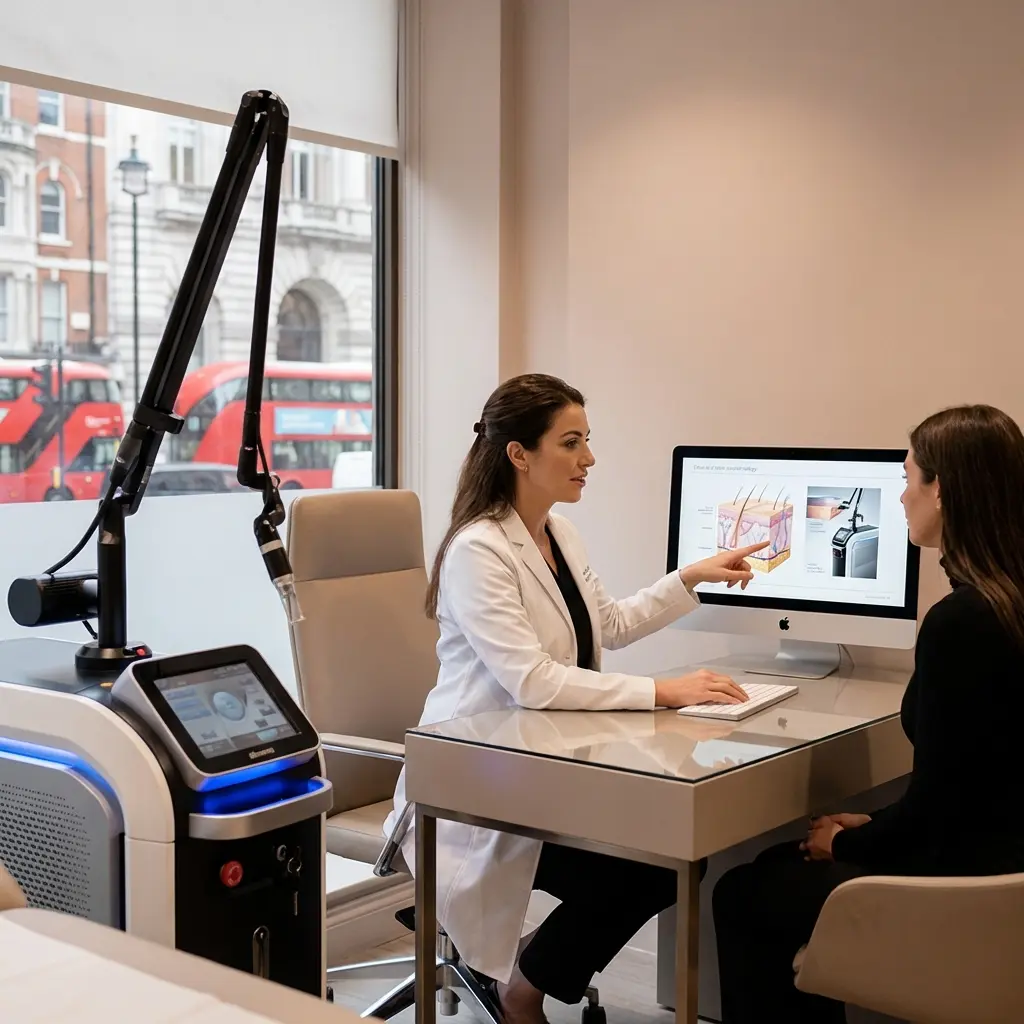
We approach age spot treatment as a combination of removal and prevention education.
Your First Consultation
Your first consultation includes three components:
- Skin type analysis
- Spot assessment
- Treatment planning
We explain which spots will respond to treatment and which require monitoring instead of intervention.
Treatment Timeline
Treatment sessions last 15-30 minutes.
You’ll see initial results within two weeks as your body naturally removes the targeted pigmentation.
Complete clearance typically requires 4-8 weeks.
Some spots darken before they fade. This is normal and indicates the treatment is working.
Follow-Up Care
We schedule follow-up appointments to monitor progress and adjust treatment if needed.
Most clients need 1-3 sessions for satisfactory results, depending on spot characteristics.
In practice: Professional treatment combines quick sessions with a realistic timeline. Results appear within weeks, not months.
Why Location Matters for Age Spot Treatment
Treating clients in London and Essex gives us specific insights into sun damage patterns in the South East.
We understand how commuting patterns, outdoor activities, and local climate conditions contribute to age spot development.
This regional knowledge informs our treatment protocols and prevention recommendations.
Your skin damage didn’t happen overnight. It accumulated over years of exposure you probably didn’t notice.
Treatment reverses visible damage. Prevention stops new damage from forming.
Both matter.
Regional expertise matters: London and Essex sun patterns differ from the rest of the UK. Treatment protocols should reflect local UV exposure levels.
Frequently Asked Questions About Age Spots
Do age spots go away on their own?
No. Age spots are permanent because they result from cumulative UV damage. They won’t fade without professional treatment.
How long do age spot treatments last?
Results are permanent for treated spots. New spots form if you don’t maintain daily sun protection after treatment.
Are age spots dangerous?
Age spots themselves are benign. They indicate significant sun exposure, which increases your risk for more serious skin conditions including melanoma.
What’s the difference between age spots and sun spots?
Age spots and sun spots are the same condition. Both terms describe flat brown patches caused by UV exposure. Medical professionals call them solar lentigines.
When should I see a professional about age spots?
See a professional if spots change in size, shape, or color. Also schedule a consultation if you want to remove age spots for cosmetic reasons.
Do home remedies work for age spots?
Home remedies show minimal results. Clinical treatments like laser and IPL provide measurable clearance backed by research.
How much does age spot treatment cost?
Treatment costs vary based on the number of spots, their size, and how many sessions you need. Book a consultation for accurate pricing based on your specific situation.
Will age spots come back after treatment?
Treated spots won’t return. New spots will form if you don’t protect your skin from future UV exposure with daily sunscreen and physical barriers.
Key Takeaways
- Over 90% of UV rays penetrate clouds, causing daily sun damage in the UK even on overcast days between mid-March and mid-October
- Laser and IPL treatments clear age spots in 1-3 sessions with visible results appearing within two weeks and complete clearance in 4-8 weeks
- Younger clients (30s-40s) now develop age spots earlier than previous generations because of changing sun protection behaviors
- London and Essex residents face the highest UV exposure in the UK at 1,670 hours of annual sunshine, increasing age spot risk
- Daily SPF 30+ sunscreen prevents new age spots more effectively than any treatment and reduces melanoma risk by up to 90%
- Treatment success depends on three factors: proper skin type assessment, spot characteristics (depth and age), and post-treatment sun protection
- Age spots serve as an early warning system showing your skin has absorbed significant UV radiation
Ready to Address Your Age Spots?
Age spots tell a story about your sun exposure history. We can help you change how that story continues.
Professional treatment removes existing spots. Consistent sun protection prevents new ones from forming.
The combination gives you clearer skin and reduces your long-term risk of more serious sun damage.
If you’re ready to address age spots, we’ll assess your specific situation and recommend a treatment plan based on your skin type, spot characteristics, and aesthetic goals.
Book your consultation today. Our team at Shumaila’s Clinic will conduct a thorough assessment and create a personalized plan to help you get clearer, more youthful-looking skin. Learn more about our age spot treatments or contact us to schedule your appointment.