


TL;DR: Skin tags affect 50% to 60% of adults and often signal underlying health conditions like insulin resistance. NHS rarely covers removal, so private treatment costs £100 to £500 in London. Professional removal is safer than home methods and takes one appointment with no downtime.
Quick Answer:
- Skin tags affect 50% to 60% of adults in London and Essex
- Multiple skin tags correlate with insulin resistance, obesity, and cardiovascular risks
- NHS does not fund cosmetic skin tag removal
- Private removal costs £100 to £500, most treatments £200 to £400
- Professional removal is safer than DIY methods and heals within one week
Research shows they’re not random growths. Multiple skin tags signal something more significant about your metabolic health.
What Are Skin Tags and Why Do They Form?
Skin tags are small, soft growths that hang from your skin. They appear most often on your neck, underarms, eyelids, and groin. These growths are benign, meaning they’re not cancerous.
Medical research reveals a strong correlation between multiple skin tags and several health conditions. Studies from the National Center for Biotechnology Information show links to:
- Insulin resistance
- Obesity
- Dyslipidemia (abnormal cholesterol levels)
- Hypertension (high blood pressure)
- Elevated inflammatory markers
- Cardiovascular risk factors
Multiple skin tags function as an early warning system for metabolic conditions.
Not every skin tag indicates a health problem. But if you’re developing multiple tags after age 40, discuss metabolic health screening with a healthcare professional.
Bottom line: Skin tags often correlate with insulin resistance and metabolic syndrome, especially when you have multiple growths.
Does NHS Cover Skin Tag Removal?
No. NHS services rarely fund skin tag removal because the procedure is classified as cosmetic, not medical.
This classification means most London and Essex residents turn to private clinics. Private treatment offers predictable pricing and faster access compared to NHS waiting lists.
How Much Does Skin Tag Removal Cost in London?
Private skin tag removal costs depend on four factors:
- Number of skin tags being treated
- Size and location of the growths
- Removal method used
- Clinic location and expertise
In 2026, professional removal in London costs between £100 and £500. Most treatments fall in the £200 to £400 range.
What affects the price: Clinics charge more for multiple tags, larger growths, sensitive locations like eyelids, and specialized removal methods.
Is DIY Skin Tag Removal Safe?
No. Home removal methods advertised online carry significant risks.
The FDA has not approved any over-the-counter products for skin tag removal. The FDA actively warns against using these products because they cause harm.
Risks of DIY Removal vs Professional Treatment
DIY removal increases your risk of:
- Infection from non-sterile conditions
- Excessive bleeding from improper technique
- Scarring from incomplete removal
- Damage to surrounding healthy skin
GMC-registered dermatologists use precise techniques like electrocautery or surgical snip excision. These methods are minimally invasive and performed in sterile conditions.
💡 Critical point: What looks like a skin tag might be a wart, mole, or other growth. Only a qualified dermatologist confirms the diagnosis and rules out other conditions.
Key insight: Professional removal eliminates infection risk and scarring while ensuring proper diagnosis.
What Happens During Professional Skin Tag Removal?
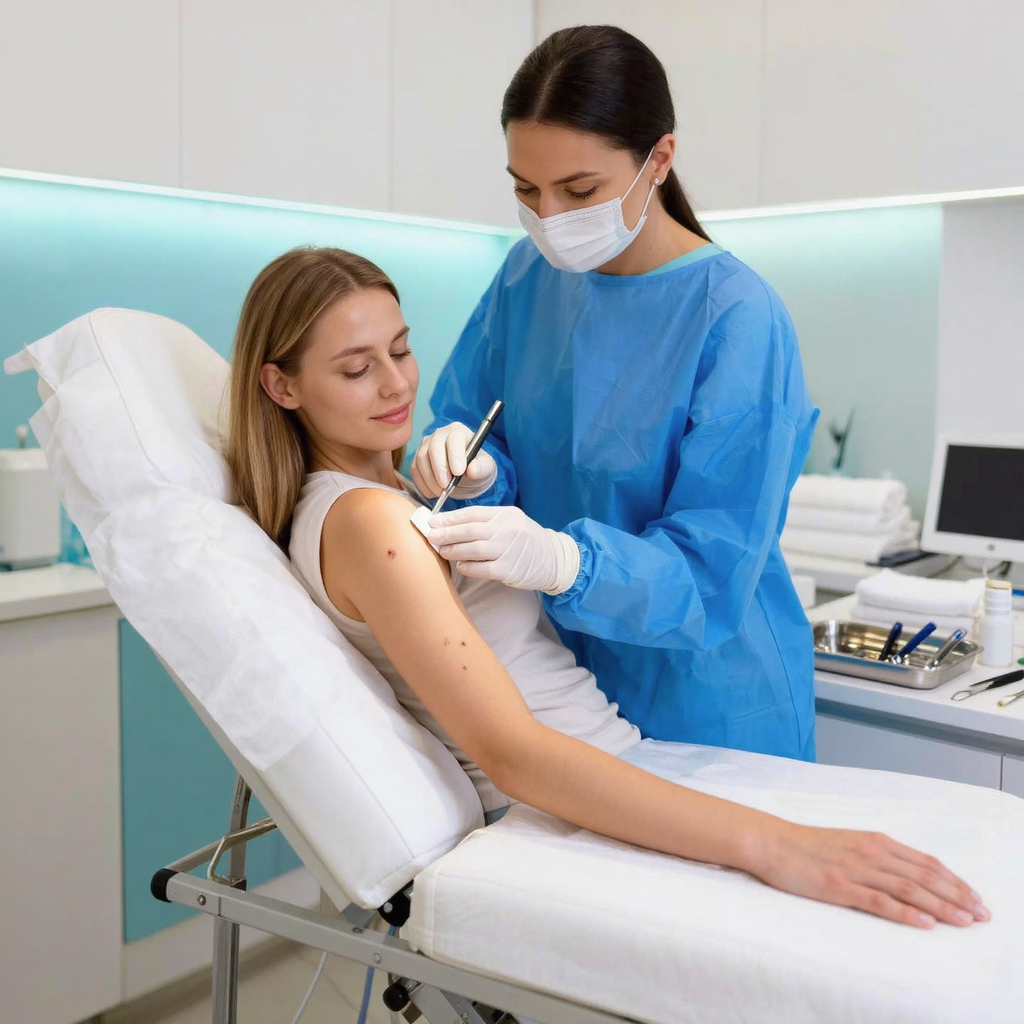
Professional removal follows a simple process. London clinics complete the procedure in a single appointment.
The procedure:
- Dermatologist examines and confirms diagnosis
- Local anesthetic numbs the area (if needed)
- Practitioner removes tag using electrocautery, cryotherapy, or surgical excision
- Treatment site is cleaned and dressed
- You receive aftercare instructions
You return to normal activities immediately after treatment. The removal site heals completely within seven days.
Why this matters: Busy professionals in London and Essex don’t need extended recovery periods or time off work.
Why Do Pregnant Women Get Skin Tags?
Pregnancy creates unique conditions for skin tag development. Hormonal fluctuations combined with increased friction cause skin tags in up to 50% of expectant mothers.
If you’re pregnant or recently postpartum and noticing new skin growths, you’re experiencing something normal. Women often choose removal after delivery when hormones stabilize.
Takeaway: Pregnancy-related skin tags are harmless and often resolve on their own, but removal after delivery is safe and effective.
How to Choose a Skin Tag Removal Clinic
When you’re ready to address your skin tags, prioritize clinics that provide:
- GMC-registered practitioners with dermatology expertise
- Clear pricing with no hidden costs
- Multiple removal methods tailored to your specific needs
- Convenient London locations accessible by public transport
- Same-day treatment options for busy schedules
Clinics specializing in cosmetic dermatology procedures understand both the medical and aesthetic aspects of skin tag removal.
At Shumaila’s clinic, we provide professional skin tag removal services for London and Essex residents. Our approach combines medical expertise with safety, convenience, and natural-looking results.
Frequently Asked Questions About Skin Tag Removal
Do skin tags grow back after removal?
No. Once removed, a skin tag does not grow back in the same location. But you may develop new skin tags in other areas because the underlying factors (hormones, friction, insulin resistance) still exist.
Does skin tag removal hurt?
No. Dermatologists apply local anesthetic before removal. You feel slight pressure but no pain during the procedure. Mild soreness may occur for 24 to 48 hours after treatment.
How long does skin tag removal take?
Most appointments last 15 to 30 minutes depending on the number of tags removed. Single skin tag removal takes less than five minutes.
Will removing skin tags leave scars?
Professional removal rarely leaves scars. GMC-registered dermatologists use techniques that minimize scarring. Any marks that do appear typically fade within weeks.
Are skin tags contagious?
No. Skin tags are not contagious. You don’t spread them through contact. They develop because of friction, hormones, or metabolic factors.
When should I see a doctor about skin tags?
See a dermatologist if your skin tag bleeds, changes color, grows rapidly, or causes pain. These signs may indicate a different condition that requires medical evaluation.
Are there alternatives to surgical removal?
Yes. Dermatologists offer electrocautery (burning), cryotherapy (freezing), and ligation (cutting off blood supply). Your practitioner recommends the best method based on tag size and location.
Does insurance cover skin tag removal?
No. Most insurance plans and NHS classify skin tag removal as cosmetic. Coverage applies only when tags cause medical complications like bleeding or infection.
Next Steps: Getting Professional Skin Tag Removal
If you’re tired of covering up skin tags or concerned about what they indicate about your health, professional assessment is your starting point.
Schedule a consultation to discuss your situation. A qualified dermatologist evaluates your skin tags, explains removal options, and addresses any underlying health concerns.
Skin tags don’t have to be permanent. With professional care, removal is safe, quick, and more affordable than most people expect.
Key Takeaways
- Skin tags affect 50% to 60% of adults and often signal insulin resistance or metabolic syndrome
- NHS does not cover cosmetic skin tag removal, so private treatment is the standard option
- Professional removal in London costs £100 to £500, with most treatments in the £200 to £400 range
- DIY removal methods carry risks of infection, scarring, and bleeding that professional treatment eliminates
- Professional removal takes one appointment with no downtime and heals within seven days
- Multiple skin tags warrant metabolic health screening with a healthcare professional
- Choose GMC-registered dermatologists who offer transparent pricing and proven removal techniques
Book your skin tag removal consultation today and take the first step toward clearer, healthier skin.