


Look. Feel. Live. Better
Shumaila’s Insights
Skin Tag Removal
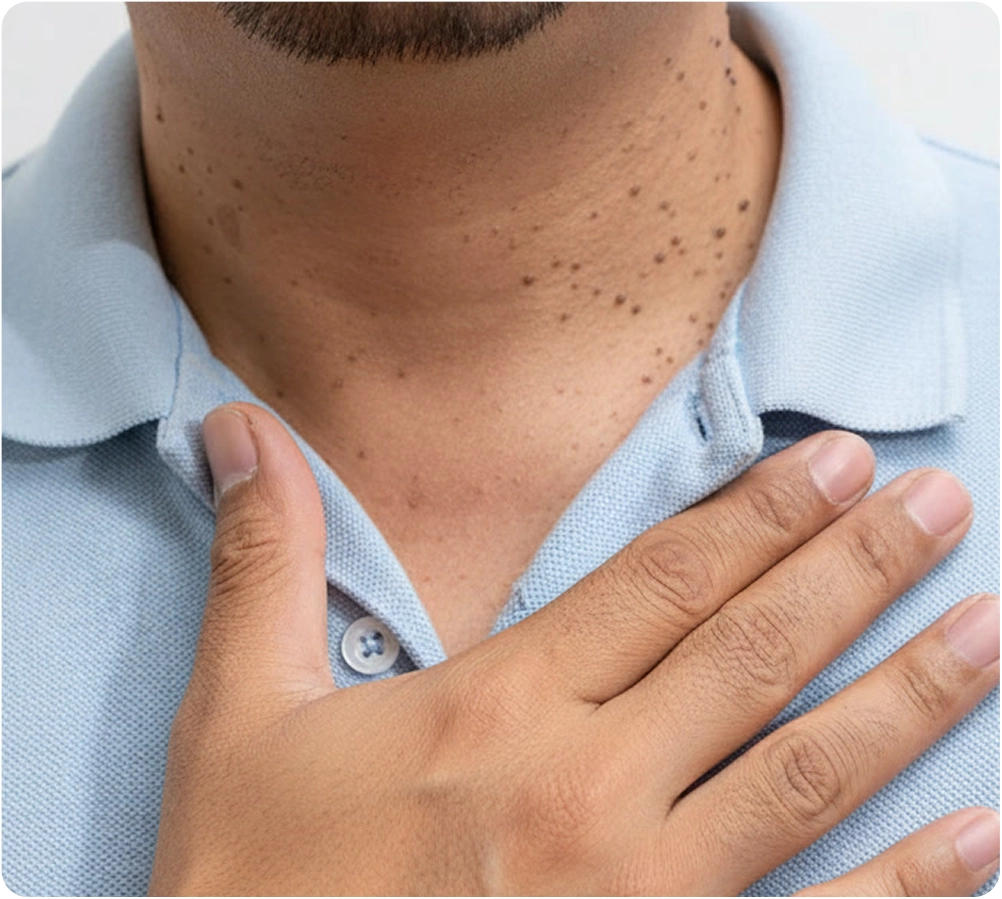
Skin tags are benign fibrous growths. While harmless, they can be irritating. Professional removal provides safe excision with minimal scarring.
| Overview |
|---|
| Primary Concern |
| Also Known As |
| Common Causes |
| Affects |
| Primary Treatment Options |
| Time to See Results |
| Results Duration |
| Treatment Areas |
| Details |
|---|
| Small, Benign Skin Growths |
| Acrochordon, Fibroepithelial Polyp |
| Friction (skin rubbing), Genetics, Pregnancy, Insulin Resistance |
| Over 50% of adults, more common with age |
| Cryotherapy (Freezing), Hyfrecation (Cauterisation),Physical Excision |
| Immediate to 14 days, depending on method |
| Permanent (the removed tag will not return) |
| Neck, Underarms, Eyelids, Groin, Under the Bust |
Understanding Skin Tags
Skin tags are small, soft pieces of skin that hang off the body on a thin stalk. They are completely benign (non-cancerous) and are made up of loose collagen fibres and blood vessels surrounded by skin. They most often appear in areas where skin rubs against skin or clothing, which is why they are so common on the neck, in armpits, and in the groin area.
While they pose no medical threat, many people in London seek skin tag removal because they find them cosmetically unappealing or they become irritated from friction.
With the rise of at-home kits like “cryotag skin tag remover” or other freezing devices, it might seem easy to handle skin tags yourself. However, this is extremely risky.
Why you should always see a professional:
- Risk of Infection: Improper removal can lead to a nasty infection.
- Scarring: You can easily cause permanent scarring, which is often worse than the original skin tag.
- Incomplete Removal: If the base is not fully removed, the tag can grow back.
Misdiagnosis: Most importantly, what you think is a skin tag could be something more serious, like a mole or a wart, which requires a proper medical diagnosis. Never attempt to remove a growth you are not 100% certain about.
How we at Shumaila’s can treat this
At Shumaila’s, your journey begins with a consultation with one of our expert clinicians. They will confirm that your growth is a benign skin tag and then perform a quick, safe, and effective removal procedure right here in one of our 9 London clinics.
Excellent 4.9 out of 5


Showing our favourite reviews from Google
Nickshia Henry
11 days agoI just had skin tag removal at Shumaila's. From start to finish the process was smooth and reassuring. The staff were incredibly welcoming making me feel comfortable right away. A huge thank you to Rabia who did my procedure, I felt well cared for. Rabia was gentle and very attentive, ensuring I was comfortable throughout. I feel confident in the care I received today, and I look forward to seeing the outcome in the coming days. I highly recommend Shumaila's for anyone considering this procedure. Thank you for your wonderful service!
0
0
Upminster
4.8
Ronnie
20 days agoHad a skintag removed by Dr Maria. Very professional, quick, painless procedure and an excellent price.
0
0
Hammersmith
4.9
Martin Cornish
21 days agoVery impressed with skin tag removal process. I dropped into Shumaila's, Loughton,just to make an enquiry about the procedure which was clearly explained. The staff were very pleasant and helpful and gave me an appointment with just a 5 minute wait. Simran was great. Explained the procedure again and was very reassuring. Also very quick. 5 tags gone in under 10 minutes. Their pricing for removal is very reasonable , and competitive with other quotes I researched, and the tiered pricing depending on number of tags to be removed is ideal, particularly if you have a number of tags to be removed. An after care appointment after 2 weeks is provided which gives you added confidence about their dedication and care. Definitely recommend.
0
0
Loughton
4.9
Shanice Gibson
29 days agoI had skin tag removal done with Sweety and the service was amazing! She really put my mind at ease and it was super quick. Would definitely book in again!
0
0
Loughton
4.9
Shane Santillan
36 days agoGreat service and welcome from Harpreet - felt at ease getting skin tag removal from her. I was also provided detailed after care and support throughout!
0
0
East Ham
4.7
Feba Prasad
38 days agoVery professional and made me feel at ease throughout. I had a skin tag removal procedure. The procedure was quick, and I’m really pleased with the outcome. Thank you Rabiya for your help !
0
0
Upminster
4.8
Omoshalewa Ayodeji
52 days agoMaryam and Navdeep were both gentle, professional and caring throughout my skin tag removal procedure. They made me feel comfortable and reassured from start to finish. Thank you both for your patience and excellent service. I highly recommend them.
0
0
East Ham
4.7
Emily Grimes
52 days agoFantastic service and so kind and friendly. Had a skin tag removed, that I had wanted removed for a long time and very happy it's now gone. Aftercare advice given and would definitely return if needed in the future. Thank you!
1
0
Upminster
4.8
Frederique Bouretaa
53 days agoI have had a skin tag for years which was getting larger. I went in for advice, got an appointment and hour after and in 20 seconds it was removed. No pain. Great service with a smile. The clinic is immaculate and everyone very friendly.bi highly recommend it. Rabia was my therapist and she was very reassuring. Thank you.
0
0
Upminster
4.8
Saty Kaur
53 days agoFast and efficient service. Rabia was really polite and managed to see me without a prior appointment. I had a skin tag removed which I had been putting off to remove, had I known it would be so quick, I would have visited sooner. Thanks so much!
0
0
Upminster
4.8
Kari Zul
55 days agoI visited the Shumaila's Upminster branch yesterday to get a skin tag removed that was already in quite a bad condition. I had the absolute pleasure of being treated by the founder, Shumaila Iftikhar herself! I am someone who is always completely terrified of needles and medical procedures, but Shumaila was an absolute amazing person. She is incredibly friendly and kept talking to me and making me laugh throughout the entire process. Even though the procedure was a bit painful for me because of my nervousness, her wonderful distraction technique and lovely personality made it so much easier to get through. I am so grateful for her care and highly recommend this clinic! Definitely will back to this clinic.Good luck to all of your branches.
0
0
Upminster
4.8
Dee Muhit
58 days agoBooked a family member for the skin tag removal and would highly recommend the service and treatment by Filza. She was very patient and thorough in explaining the treatment to the very anxious family member - it was their first time ever having it done. Thank you
0
0
Loughton
4.9
Lisa Mills
66 days agoLove coming here! So friendly and helpful. Had a Brazilian wax with Ghazala, who was gentle and before I knew it - all done! Lisa
0
0
Woodford Green
4.9
Mr Ward
67 days agoBrilliant!!! Simran was really friendly and really good at removing my skin tag. Would highly recommend
0
0
Loughton
4.9
alisha Sembhi967
68 days agoI had a wonderful experience at Shumaila’s, I had been struggling with a skin issue for a long time, and after starting treatment here, my skin has improved amazingly. I’m so happy with the results and finally feel confident in my skin again. The entire staff is friendly, kind, welcoming, and always ready to help. A special thank you to Gurpreet, who is incredibly knowledgeable, professional, and genuinely caring, made me feel comfortable throughout my treatment. Her friendly nature and expertise made all the difference. I highly recommend this clinic to anyone looking for effective skin treatments and excellent care. Thank you to the whole team for such a great experience!
0
0
Harrow
4.8
Natasha Whitney
80 days agoI have had a skin tag for many years. Went to the doctors who recommended trying to freeze the tag, this didn’t work. I searched on line and came across Shermaila’s who had very good reviews. I requested a free consultation on Friday evening. By Saturday morning Shermaila’s called me to go through the process and even fitted me in the same day. I was a bit nervous, the team are lovely at Shermailas Upminster. When I arrived, the skin tag was checked, then I went upstairs for the treatment. Within less than 5 mins the skin tag was removed. I highly recommend Shermailas for any skincare treatment. I will definitely return to Shermailas for skin care treatment in the future if needed. I left the clinic feeling confident again. Thank you to the team for the outstanding service.
0
0
Upminster
4.8
Chloe Barnett
83 days agoGreat service from Simran for skin tag removal. Thank you!
0
0
Loughton
4.9
Eleanor Bird
83 days agoWelcoming and professional experience with Mundeep. Makes you feel very comfortable and seeing good effects of laser!
0
0
Ilford
4.8
Asli Ozturkmen
88 days agoSimran was so kind and reassured me that the skin tag removal would be quick and only a little uncomfortable. It was over within minutes and the healing period for the areas have been fast with no issues. I highly recommend for this procedure. Thank you Simran
0
0
Loughton
4.9
iqra shahbaz
89 days agoI have very good experience at Shumaila’s for waxing. Staff were very polite and kind. Clean and hygienic environment. Simran was very kind and friendly during the procedure. Highly recommended
0
0
Loughton
4.9
At Shumaila’s, we understand that every double chin is unique, requiring personalised treatment approaches.
Our comprehensive range of solutions allows us to recommend the most appropriate option based on your specific concerns, lifestyle, and desired outcomes.
Non Surgical
First-Line Treatments
Professional Skin Tag Removal
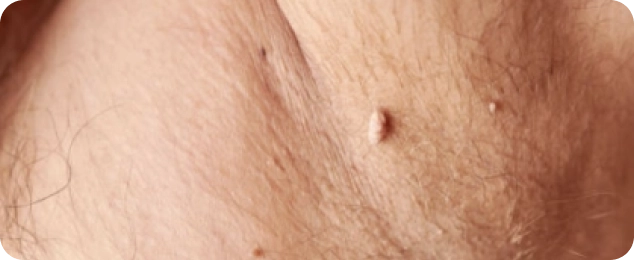
We use sterile, medical-grade techniques to remove skin tags instantly with minimal discomfort. Depending on the size and location of the tag, our clinicians will choose the most appropriate method, which may include Cryotherapy (freezing the tag off), Hyfrecation (using a precise electrical pulse to cauterise the tag), or simple physical excision with sterile instruments.
Ideal for
Anyone wanting to safely and permanently remove one or multiple skin tags from the face or body
Results
The skin tag is removed instantly. A tiny scab may form and fall off within a week or two, leaving clear skin behind
Management
No downtime is required. You will be given simple aftercare instructions to ensure the area heals perfectly
Why choose Shumaila’s
for Skin Tag Removal?
Medically-Led & Safe: All procedures are performed by qualified clinicians in a sterile environment, eliminating the risk of infection and scarring
Fast & Minimal Discomfort: Removal is a quick in-clinic procedure, often taking just a few minutes with very little discomfort
Permanent Results: Our professional methods ensure the entire skin tag is removed from its base, so it won’t grow back
9 Convenient London Clinics: Find an expert for “skin tag removal near me” at a Shumaila’s location that suits you
Frequent Asked Questions
The cost of professional skin tag removal depends on the number and size of the tags being treated. We provide a full, transparent quote during your consultation before any treatment begins. It is often more affordable than people think and far safer than wasting money on ineffective or risky at-home kits.
The procedure is very quick and causes only minimal discomfort, often described as a tiny sting that lasts for a second. For very sensitive areas or larger tags, a topical numbing cream can be applied, but it is often not necessary.
The best skin tag remover is not a product, but a professional. Medical-grade methods like Cryotherapy or Hyfrecation performed by a trained clinician are infinitely safer and more effective than any over-the-counter kit, which can lead to scarring and infection.
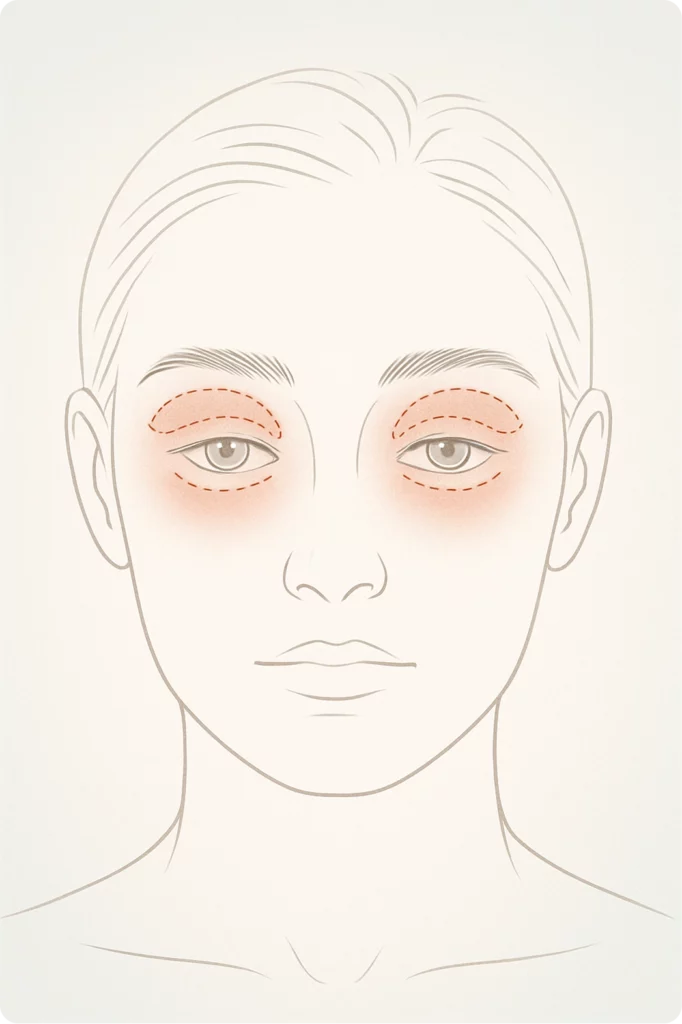
Absolutely. These are two of the most common areas we treat. Our clinicians are highly experienced in removing skin tags on neck and even delicate areas like the eyelids with precision and care, ensuring an excellent cosmetic result.
No. When a skin tag is professionally removed, the entire growth is eliminated from its stalk. It will not grow back. However, you may still be prone to developing new skin tags in other areas in the future.
Aftercare is very simple. You will be advised to keep the small treated area clean and dry for a day or two. A small scab will form and fall off naturally. It is important not to pick at the scab to prevent any avoid scarring.
Request a Consultation
One of our friendly consultants will contact you to answer your questions, and to book a consultation for your chosen treatment.