


Look. Feel. Live. Better
Facial Mole & Skin Lesion Removal Surgery
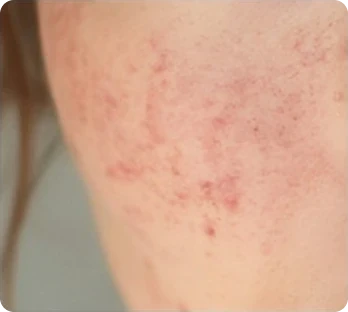
| Details |
|---|
| Surgery Time |
| Return to Work |
| Full Recovery |
| Anaesthesia |
| Location |
| Information |
|---|
| 1 - 2 hours |
| 3 - 5 days |
| 4 - 6 weeks |
| Local Anaesthetic |
| London, Essex, Hertfordshire |
Happy Customer Reviews

Certified & Experienced Doctors
Safe and Surgically Proven
Facial Mole & Skin Lesion Removal Surgery is a well-established procedure when performed by qualified surgeons under UK clinical governance.
At Shumaila’s London, all procedures are delivered by GMC-registered surgeons in CQC-registered environments, with individualised consent and aftercare.
It’s safe because
And effective, due to:
Excellent 4.9 out of 5


Experts Guaranteed
Shumaila’s world class team of doctors span from the UK to Eruope

Clinics
10+
Experts
10+
Experience
35+ years


Expect results in
Weeks 1–2 (Initial Healing)
The primary goal is secure wound closure. Keep the area dry and protected. Once sutures are removed, a fine, pink line or flat patch will be visible where the lesion used to be.
Weeks 3–4 (Active Repair)
The skin is actively remodelling. It is normal for the area to look slightly red. Consistent use of SPF 50+ and silicone scar gel is crucial during this phase to prevent hyperpigmentation.
Months 2–3 (Maturation Begins)
The redness starts to slowly dissipate. The tissue begins to soften and flatten as the collagen fibres reorganise themselves.
Months 3–6 (Softening & Fading)
The mark fades toward your natural skin colour. Because the incision was placed along your natural skin tension lines, the fine scar becomes increasingly difficult to notice.
Year 1+ (Final Result)
The healing process is complete. The original mole or lesion is permanently gone, replaced by a faint, flat mark that is vastly less noticeable than the original blemish.
Ready to start?
Choose Shumaila’s
Watch our video
Post-Operative Aftercare
Proper aftercare is essential to ensure the wound heals neatly and to minimise scarring. Follow these UK clinical guidelines:
Frequent Asked Questions
Any surgical procedure leaves a mark, but our plastic surgeons use advanced techniques to minimise scarring. For shave excisions, the mark often fades to a faint, flat patch. For surgical excisions, we place the fine incision along your natural skin tension lines (RSTLs) so the resulting scar blends seamlessly into your facial contours.
Yes. In line with UK clinical best practice, any mole or lesion removed via surgical excision is sent to an accredited external laboratory for histopathology. This microscopic analysis confirms the exact nature of the lesion and ensures your complete peace of mind.
We do not use lasers to remove moles. Laser ablation destroys the tissue, making it impossible to send the mole to a laboratory for histopathology testing. For your safety, we only use surgical or shave excision methods that allow for proper clinical diagnosis.
No. The procedure is performed under local anaesthetic, meaning the area is completely numb. You will feel a tiny scratch from the anaesthetic injection, but the removal itself is entirely painless. Most procedures take less than 30 minutes.
Recovery is very quick. You can usually return to work and normal activities the same day. If you have sutures, they are typically removed after 5 to 7 days. The area will need to be kept dry and protected from the sun while it heals.
The NHS generally only removes moles if there is a clinical suspicion of skin cancer (melanoma). Moles that are harmless but cause cosmetic concern or physical irritation (such as catching on clothing) are classified as benign and must be removed privately.