


Look. Feel. Live. Better
Sagging & Heavy Breasts
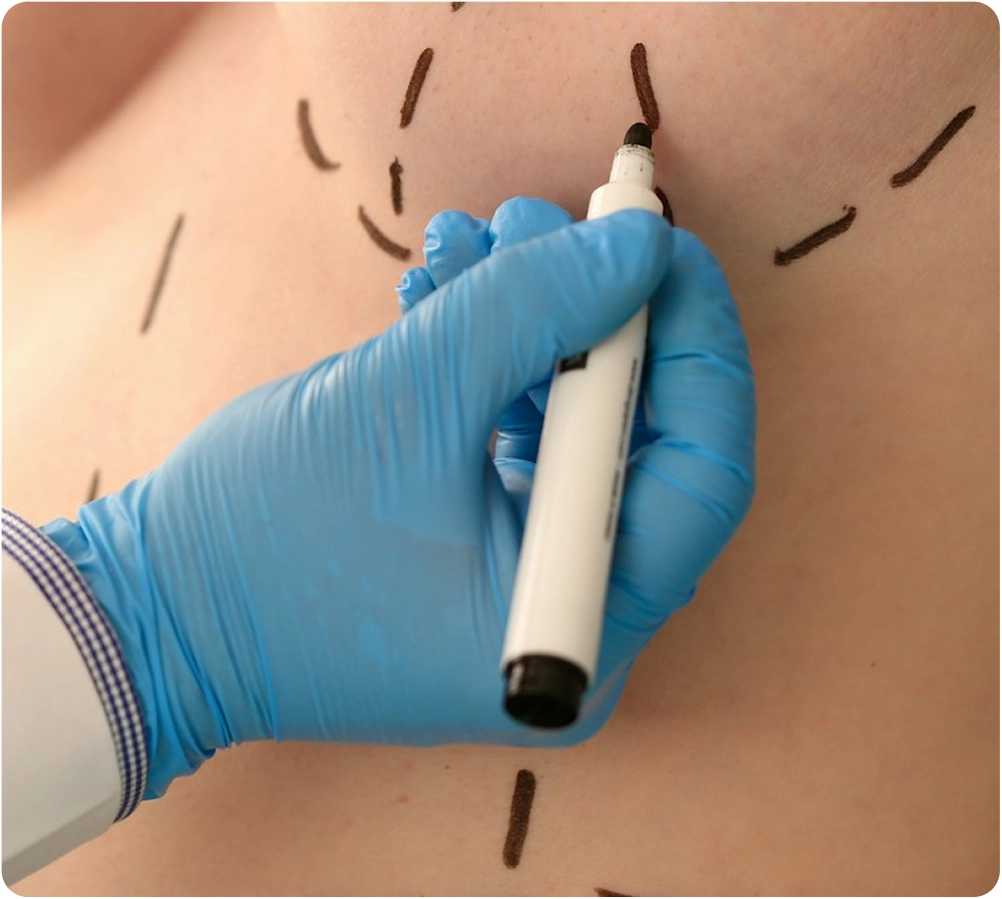
| Overview |
|---|
| Primary Concern |
| Also Known As |
| Common Causes |
| Symptoms |
| Primary Clinical Solution |
| Time to See Results |
| Results Duration |
| Details |
|---|
| Sagging or Heavy Breasts (Breast Ptosis) |
| Droopy Breasts, Saggy Boobs |
| Pregnancy/Breastfeeding, Ageing, Gravity, Significant Weight Loss, Genetics |
| Adult women, particularly after pregnancy or weight fluctuations |
| Breast Lift (Mastopexy), Breast Reduction |
| Final results are visible after 6-12 months post-surgery |
| Long-lasting to permanent, though ageing will continue |
Understanding Breast Ptosis (Sagging)
Breast ptosis is the clinical term for sagging breasts. The position of the breast on the chest wall is determined by the integrity of the skin envelope and the internal suspensory ligaments, known as Cooper’s ligaments. The primary causes of ptosis are:
- Pregnancy & Breastfeeding: Hormonal changes cause the milk ducts to expand and the breasts to enlarge. After breastfeeding, as the breasts reduce in size, the stretched skin and ligaments may not fully retract, leading to sagging.
- Ageing & Gravity: Over time, the Cooper’s ligaments stretch and the skin loses its elasticity due to a natural decline in collagen. Gravity exerts a constant downward pull, contributing significantly to ptosis.
- Significant Weight Fluctuations: Gaining and then losing a large amount of weight can stretch the skin and ligaments, similar to the effects of pregnancy.
- Genetics: Factors like skin elasticity, breast size, and tissue density are inherited and can predispose an individual to earlier or more significant sagging.
It is a clinical fact that no cream, exercise, or non-invasive device can significantly lift a ptotic breast. These methods cannot tighten the overstretched Cooper’s ligaments or remove excess skin.
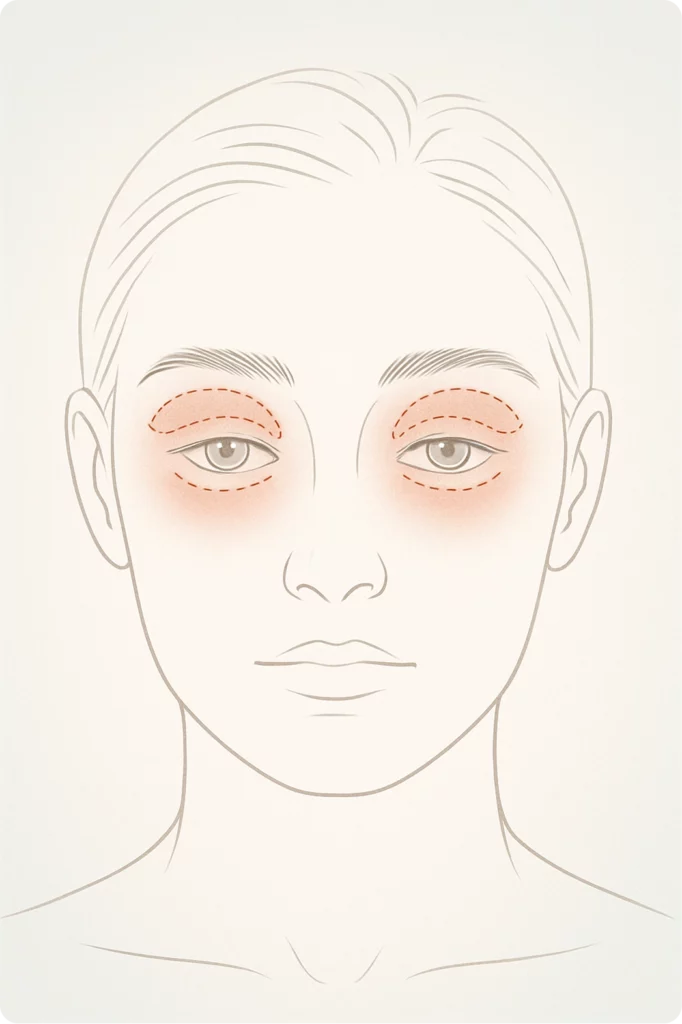
How we at Shumaila’s can treat this
For patients concerned with heavy or sagging breasts, the only effective and lasting solutions are surgical. Our clinical team provides confidential consultations to assess the degree of ptosis, discuss your aesthetic goals, and provide expert referrals to specialist plastic surgeons for the most appropriate procedure.
Excellent 4.9 out of 5


Showing our favourite reviews from Google
Definitive Treatments
Surgical Solutions
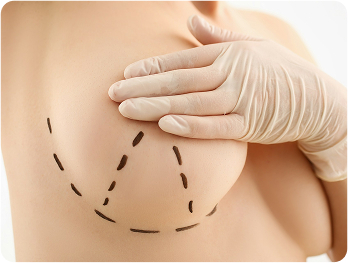
Breast Lift (Mastopexy)
A mastopexy is a surgical procedure designed to lift and reshape sagging breasts. During the procedure, the surgeon removes excess skin, repositions the nipple and areola to a higher, more youthful position, and reshapes the breast tissue to create a firmer, more uplifted contour. This procedure is ideal for women who are happy with their breast volume but wish to correct sagging.
Ideal for
Patients with breast ptosis (sagging) but adequate breast volume
Results
A permanent lifting and reshaping of the breasts for a more youthful and perkier appearance
Management
This is a surgical procedure requiring significant downtime and recovery. It is often performed under general anaesthesia
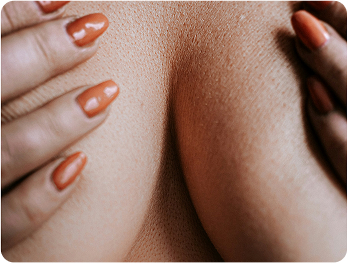
Breast Reduction (Reduction Mammoplasty)
For women whose breasts are not only sagging but are also excessively large and heavy (macromastia), a breast reduction is the recommended procedure. This surgery not only lifts the breasts but also reduces their size by removing excess glandular tissue, fat, and skin. This can alleviate physical symptoms like back, neck, and shoulder pain, as well as skin irritation.
Ideal for
Patients with heavy, large, and sagging breasts that cause physical discomfort or are disproportionate to their body frame
Results
A permanent reduction in breast size and weight, combined with a significant lift, leading to improved comfort and body proportion
Management
This is a major surgical procedure that requires significant downtime and recovery
Why choose Shumaila’s
for Consultation?
Frequent Asked Questions
No. While some non-invasive treatments claim to tighten skin, they cannot produce a noticeable lift for ptotic breasts. The only effective way to correct sagging is to surgically remove excess skin and reposition the breast tissue with a mastopexy.
A breast lift (mastopexy) primarily corrects sagging by removing skin and reshaping tissue, without significantly changing the breast volume. A breast reduction removes skin, fat, and glandular tissue to make the breasts smaller, lighter, and more lifted.
For post-breastfeeding ptosis, a breast lift (mastopexy) is typically the most effective solution to restore a youthful breast shape and position. If you have also lost volume, a lift can sometimes be combined with implants.
Yes, all surgical breast lifts will result in scars. The type and extent of scarring depend on the technique used (e.g., anchor, lollipop, or donut incision). A surgeon will explain the likely scarring during your consultation.
If your primary concern is the shape and position (droopiness) of your breasts, a lift is likely the answer. If you also experience physical discomfort from the weight and size of your breasts, a reduction is more appropriate. A surgical consultation is the best way to determine the right procedure for you.