

What We Actually Know About Eyelid Lift Surgery in 2025
TL;DR: Eyelid lift surgery (blepharoplasty) shows 93% patient satisfaction rates and delivers both functional vision improvements and aesthetic benefits. UK procedures jumped 13% in 2024 to 27,462 cases. Recovery takes 10–14 days, complication rates sit at 9.5%, and results last a decade or more when performed by specialised surgeons.
- Success rate: 85–90% overall, with 93% patient satisfaction
- Functional benefits: 31% experience measurable vision improvement, reduced headaches, and expanded peripheral vision
- Recovery timeline: Return to work in 10–14 days; full results visible in 3–6 months
- Longevity: Results last 10+ years, some lifetime
- Complication rate: 9.5% across all procedures; lower with specialised surgeons
What Is Eyelid Lift Surgery (Blepharoplasty)?
Blepharoplasty removes excess skin and fat from the upper and/or lower eyelids.
The procedure addresses two primary concerns:
- Functional: Removes drooping skin that obstructs vision
- Aesthetic: Reduces tired appearance and creates a more youthful look
Blepharoplasty procedures in the UK jumped 13% between 2023 and 2024, according to the British Association of Aesthetic Plastic Surgeons. That’s 27,462 procedures in 2024 alone.
Why Eyelid Lift Surgery Is More Than Cosmetic
Studies show that over 31% of patients experienced measurable upper visual field improvement following the procedure.
This means enhanced contrast sensitivity and visual clarity that directly impacts driving, reading, and daily activities.
The functional benefits include:
- Reduced headaches caused by eyelid sagging
- Relief from chronic eye strain and fatigue
- Improved comfort during extended screen time
- Expanded peripheral vision for safer driving
When excess skin obstructs your sight, removing it isn’t vanity—it’s vision correction.
The verdict: Blepharoplasty delivers dual benefits because it addresses both functional vision problems and aesthetic concerns, explaining its 13% year-over-year growth in the UK.
What Are the Success Rates for Eyelid Lift Surgery?

Research demonstrates that over 93% of patients report high satisfaction after upper blepharoplasty.
In one study, every single patient stated they would have the procedure again.
The overall success rate ranges from 85–90%, with many experiencing noticeable improvements that last several years. Some results last a lifetime.
Patient-Reported Outcomes
Patients consistently report:
- Significant improvements in self-esteem
- Enhanced emotional wellbeing
- Better quality of life across daily activities
- Results that typically take 5 to 10 years off facial appearance
The procedure ranked among the top 5 most requested cosmetic surgeries globally in 2024, with over 1.5 million procedures performed worldwide.
Bottom line: With 93% satisfaction rates and 85–90% success rates, blepharoplasty consistently delivers on its promises for both functional and aesthetic improvements.
How Long Does Recovery Take After Eyelid Surgery?
Recovery follows a predictable timeline:
- Days 1–5: Swelling and bruising peak
- Days 7–10: Swelling and bruising fade significantly
- Days 10–14: Most people return to work and public activities
- 1 month: Recovery nearly complete
- 3–6 months: Final results fully visible as incision lines fade
Results last a decade or more. Some patients experience lifetime benefits.
What Are the Complication Rates?
The complication rate sits at approximately 9.5% across all procedures.
Published studies show very low complication rates when performed by specialised surgeons, particularly with isolated upper blepharoplasty.
⚠️ Important consideration: Complications remain rare when you choose an experienced surgeon who specialises in eyelid procedures. The surgeon’s experience matters more than most other factors.
Key insight: Expect 10–14 days before returning to normal activities, with full results visible in 3–6 months. Complication rates drop significantly with specialised surgeons.
Who Gets Eyelid Lift Surgery?

The global eyelid surgery market reached $7.31 billion in 2024 and projects 5.6% annual growth through 2030.
Demographics
- Age: Most patients are over 40, when natural tissue changes become more pronounced
- Gender: Women account for approximately 88% of UK procedures, though men increasingly seek treatment
- Primary motivation: Combination of functional vision decline and aesthetic concerns
Why the Demand Is Growing
Two factors drive growth:
First, the ageing global population creates more candidates for the procedure.
Second, the associated decline in peripheral vision that comes with ageing. When drooping eyelids obstruct sight, the procedure becomes both functional and aesthetic.
The trend: Blepharoplasty demand grows because it serves the ageing population’s dual needs—improved vision and appearance—making it a top 5 cosmetic procedure globally.
How to Choose the Right Surgeon for Eyelid Lift Surgery
The surgeon’s experience matters more than most other factors.
Look for specialists with extensive blepharoplasty experience, not general cosmetic surgeons who perform occasional eyelid procedures.
Questions to Ask Your Surgeon
- What are your complication rates for blepharoplasty?
- What are your revision rates?
- How do you measure functional outcome improvements?
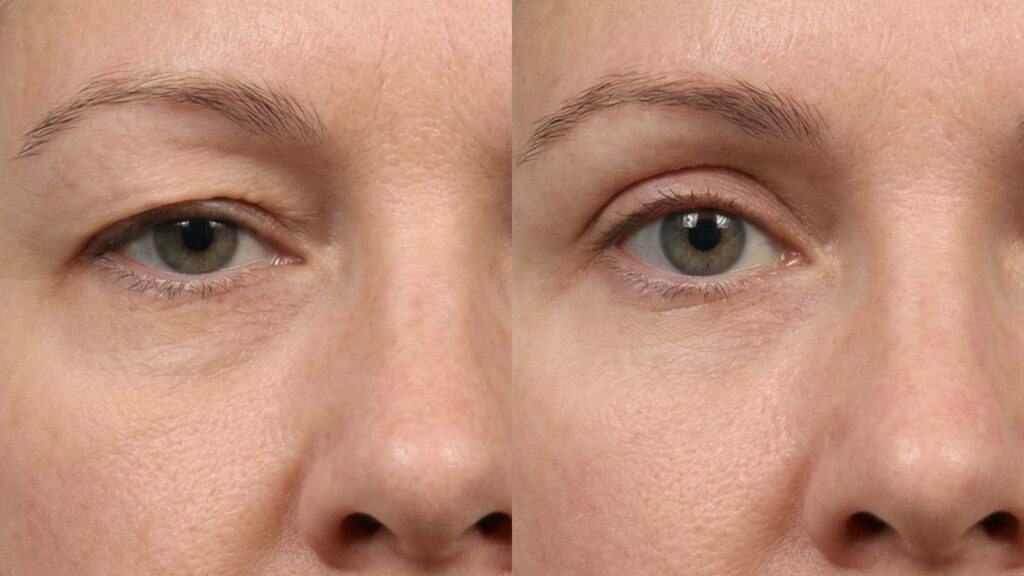
- Can I see before-and-after photos of results similar to what I’m seeking?
When to Consider Eyelid Lift Surgery
If you’re experiencing visual obstruction from drooping eyelids, the functional improvements alone justify investigation.
If you’re considering the aesthetic benefits, the data supports long-lasting results with relatively low complication rates.
Book a consultation to discuss whether eyelid lift surgery could address your specific concerns.
💡 Worth noting: Published studies consistently show that functional benefits including enlarged visual field and enhanced quality of life related to fewer headaches represent measurable outcomes, not subjective improvements.
Critical factor: Choose a surgeon who specialises specifically in eyelid procedures, not general cosmetic work. Ask about their complication and revision rates before committing.
Frequently Asked Questions About Eyelid Lift Surgery
Is eyelid lift surgery painful?
The procedure is performed under local anaesthesia with sedation or general anaesthesia, so you won’t feel pain during surgery. Post-operative discomfort is typically mild and managed with prescribed pain medication. Most patients describe the sensation as tightness rather than pain.
Will insurance cover blepharoplasty?
Insurance may cover upper blepharoplasty if drooping eyelids obstruct your vision and affect daily activities. Your surgeon must document functional impairment through visual field testing. Procedures performed solely for aesthetic reasons are not typically covered.
How long do eyelid lift results last?
Results typically last 10 years or more. Some patients experience lifetime benefits. However, natural ageing continues, so additional changes may occur over time. The procedure doesn’t stop the ageing process.
Can I wear contact lenses after eyelid surgery?
You’ll need to avoid contact lenses for approximately 2 weeks after surgery. Your surgeon will advise when it’s safe to resume wearing them. Glasses are recommended during the initial recovery period.
What are the risks of eyelid lift surgery?
Risks include infection, bleeding, scarring, dry eyes, temporary blurred vision, difficulty closing eyes completely, and asymmetry. The overall complication rate is approximately 9.5%, but this drops significantly with experienced, specialised surgeons. Serious complications are rare.
When can I wear makeup after blepharoplasty?
Most surgeons recommend waiting 10–14 days before applying eye makeup. This allows incisions to heal properly and reduces infection risk. You can typically wear makeup on other areas of your face sooner.
Will I have visible scars after eyelid surgery?
Incisions are made in the natural creases of your eyelids, making scars difficult to detect. Scars fade significantly over 3–6 months and become nearly imperceptible in most cases. Proper post-operative care improves scar healing.
Can upper and lower eyelids be done at the same time?
Yes, upper and lower blepharoplasty can be performed simultaneously. Many patients choose this approach to achieve comprehensive rejuvenation in a single procedure. Recovery time is similar whether you treat one or both areas.
Key Takeaways
- High success rates: 93% of patients report satisfaction after upper blepharoplasty, with 85–90% experiencing successful outcomes that last 10+ years
- Dual benefits: 31% of patients gain measurable vision improvement alongside aesthetic enhancement, making this both a functional and cosmetic procedure
- Predictable recovery: Return to work in 10–14 days with full results visible in 3–6 months; complication rates sit at 9.5% but drop with specialised surgeons
- Growing demand: UK procedures increased 13% in 2024 to 27,462 cases because the procedure addresses both vision obstruction and appearance concerns
- Surgeon selection matters most: Choose specialists who focus specifically on eyelid procedures and can demonstrate low complication and revision rates
- Measurable outcomes: Functional benefits including expanded visual field and reduced headaches are documented, measurable improvements—not subjective claims
We recommend scheduling a consultation to discuss your specific needs. Compare approaches, examine results, and verify specialisation in eyelid procedures specifically.
The procedure works. The data proves it. Your job is finding the right surgeon to perform it.
Learn more about eyelid lift surgery at Shumaila’s Clinics or book your consultation today.